
Togo First
Togo: Over 800,000 beneficiaries were impacted by the ministry of social action’s initiatives in 2022
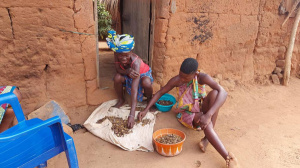
Over the past year, the government of Togo allocated CFA1.27 billion to its ministry of social action. Most of the funds (99.28%) were used up and helped finance projects that impacted more than 800,000 people, including nearly 500,000 girls and women.
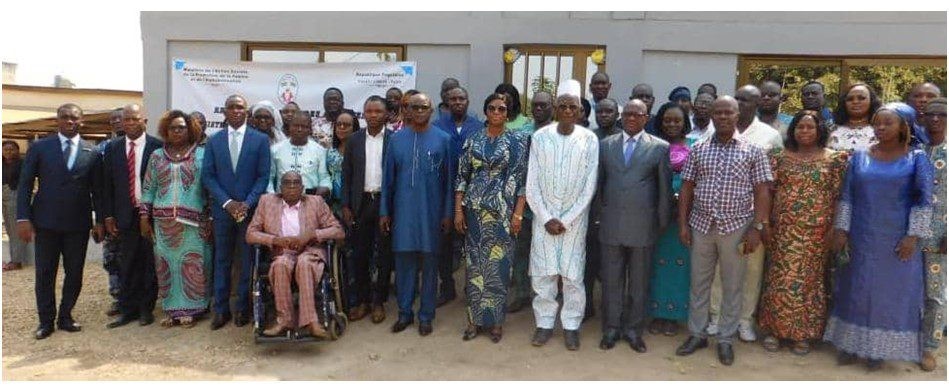
The ministry of social action disclosed the details after the annual review of the ministry which was held last week in Sokodé. Main and remote officials from the ministry took part in the meeting, alongside representatives from partner ministries, technical and financial partners, and civil society.
Over half a billion CFA from technical and financial partners
In 2022, technical and financial partners supported the ministry of social action with about CFA528 million.
Over 800,000 beneficiaries
The biggest share of all funds dedicated to social actions last year went to the Savanes region in the North.
Regarding the number of beneficiaries, the ministry found that more than 230,000 people benefited from the actions. These include handicapped, old, and displaced people, but also victims of disasters and refugees. They benefited from training, sensitization campaigns, and healthcare.
Regarding children's protection, there were more than 314,000 beneficiaries. They benefited from measures aimed at preventing and treating abuse, tackling trafficking, and advancing adolescent leadership. Also, a little over 26,000 people have been enrolled in literacy and non-formal education.
For their part, social actions targeting women initiated by the ministry of social action covered more than 232,000 women.
Ayi Renaud Dossavi
Investment: A British trade mission meets in Lomé with key public and private actors
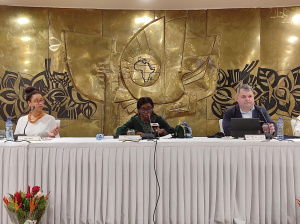
The Togolese ministry for investment promotion is in a meeting with a group of British investors presently in Togo. The meeting started yesterday and closes today.
The British investors came as part of a trade mission initiated by DMA Invest. Backed by UK Export Finance (UKEF), the mission covers several African countries.

On the first day of the talks, Togo’s minister in charge of promoting investments, Rose Kayi Mivedor, and other representatives from the government, the Togolese employers’ association, and Orabank Togo hosted a high-level panel. Many actors from the public and private sectors, civil society, and local investors were also present.
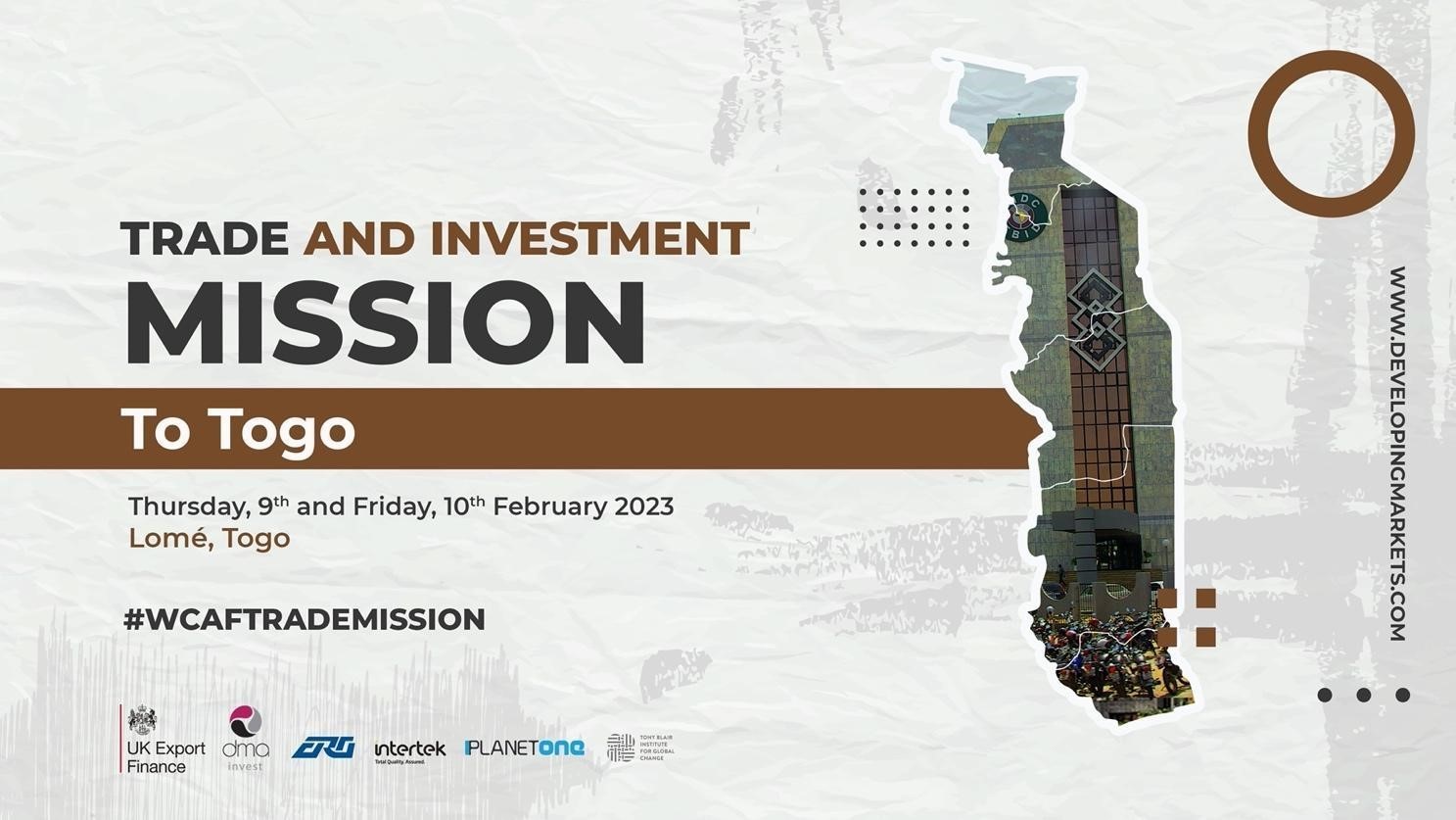
"A short but effective program, comprising an investment promotion roundtable and B2B and BtoG sessions, will allow us to enlighten British business leaders more about investment opportunities and partnership possibilities with State structures and the private sector, in the industries of networks, water, agriculture, construction and health, mining, services, logistics, etc.," said Rose Kayi Mivedor, at the meeting’s opening.
"The goal is to promote the attractiveness of Togo to investors, key institutions of the United Kingdom, and unveil the vision of inclusive sustainable development to its patient investors," the official added.
On the first day, Togolese entrepreneurs presented investment opportunities existing in the country.
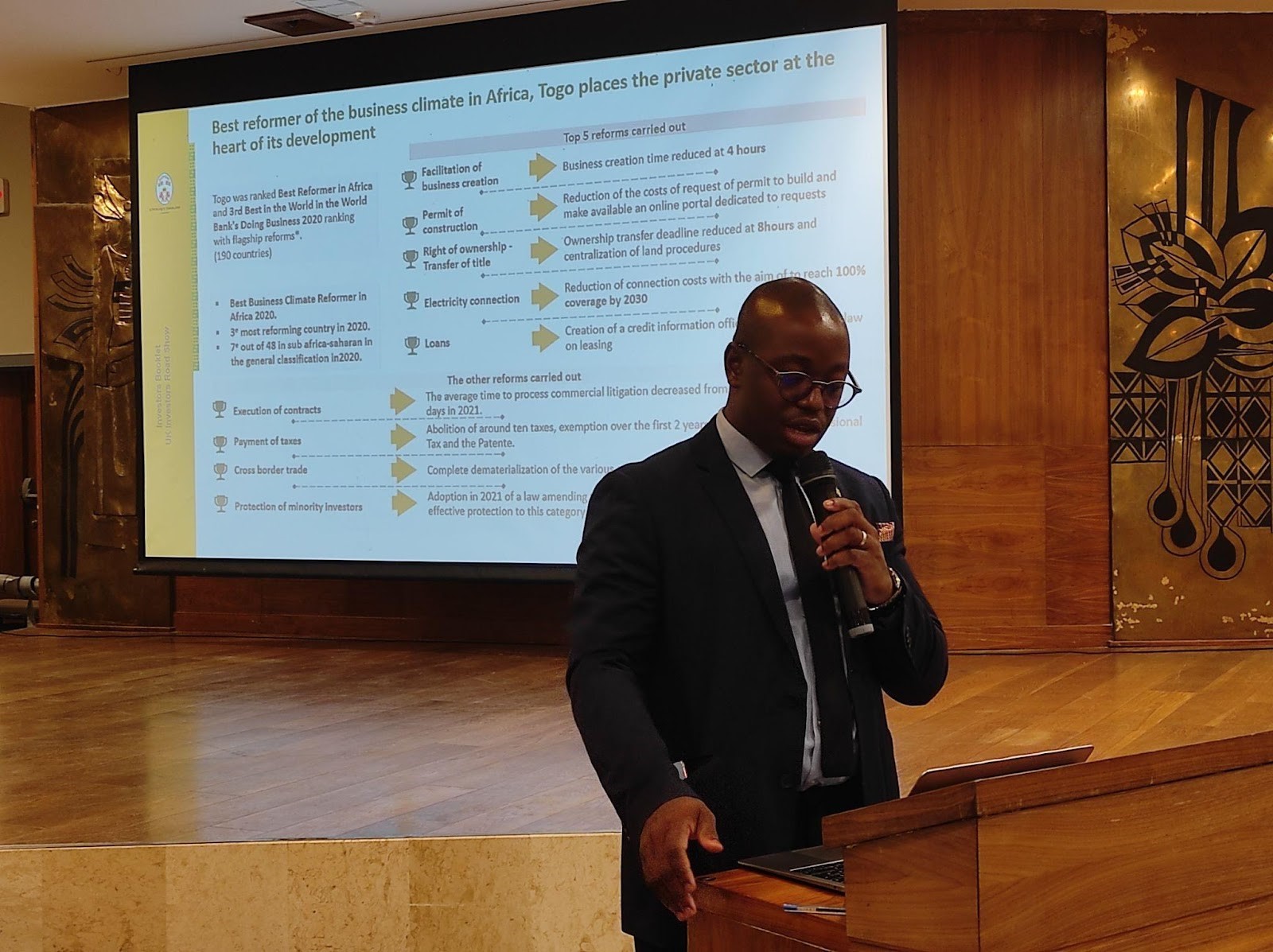
For the public sector, representatives of various ministries presented various projects, including wastewater treatment projects, the N°1 road construction expansion project, and energy-related projects.
Among the various private sector representatives who expressed themselves yesterday were: Aimée Abra Tenu, Togolese entrepreneur and director of Kari Kari Africa, Samuel Mivedor, Managing Director of the Togolese investment fund, Togo Invest, Guy Martial Awona, Managing Director of Orabank Togo, Thierry Metzger, Director for Africa of Intertek, Martial Akakpo from the Martial Akakpo Law Office, and Steve Gray, from UKEF West Africa.
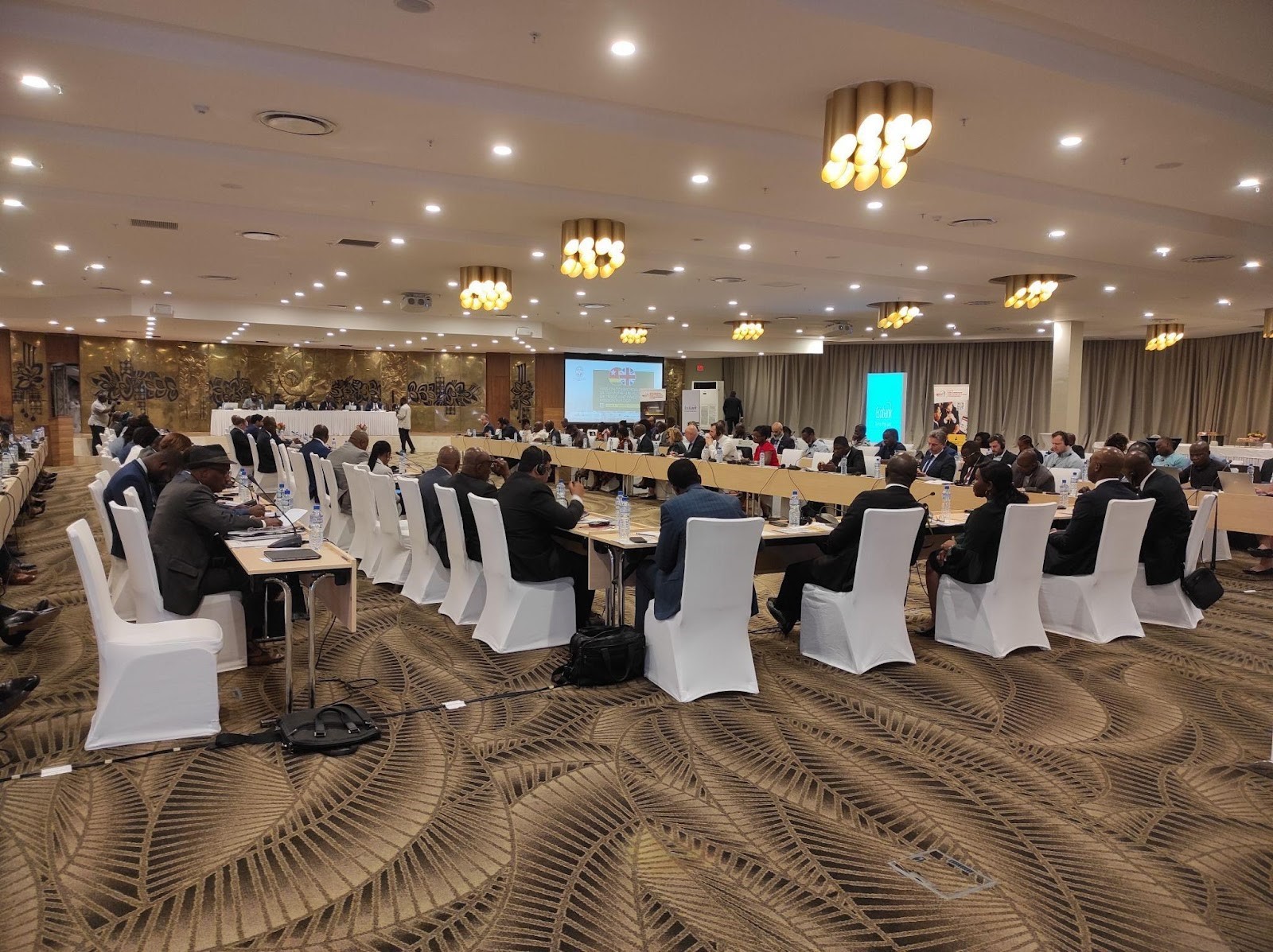
The British trade mission came to Togo four months after Togo joined the Commonwealth. At that time, the country also attended a Forum dedicated to the Franco-British States of West and Central Africa.
Last year, by the end of the third quarter, Togo, it should be noted, raised about CFA107.1 billion in investments. The amount, disclosed by the ministry of investment promotion, covers 24 projects.
Ayi Renaud Dossavi
Environment: Togo sets up national committee for sustainable development

Togo now has a National Committee for Sustainable Development (CNDD). The body was set up in line with the government’s environmental protection policy, and it started operations on Feb 8.
In accordance with the AFR100 forest and landscape restoration initiative, the new committee will tackle environmental, economic, and social issues that hamper the efficient management of Togo’s natural resources.
One of the CNDD’s major goals will be to restore 1,400,000 hectares of degraded land and forests, by 2030–a project that the government has initiated since 2015.
The committee will collaborate with several actors involved in the land and forest restoration process as well as with AFR100 partners in Togo.
It is worth noting that besides the CNDD, Togolese authorities have undertaken various measures to preserve the environment.
Esaïe Edoh
Togolese government launches a project to better manage public finances

Togo launched on February 8, 2023, the Good Financial Governance (GFG) project. As its name suggests, the project’s purpose is to support Lomé’s ambition to better manage and monitor public finances, and deal with corruption.
The project will mainly help steer reforms related to public finances, in tandem with the ministry of finance. It should also help boost the capacities of the Tax Office’s fiscal policy unit. Consequently, the State will be able to better mobilize public funds and tackle issues that impede Togo’s fiscal system.
“Good public finance management is crucial, especially considering the fact that public resources are limited, and also the current economic tensions and crises,” said the Secretary General of the Ministry of Economy and Finance, Tchassow Kpobie Akaya. He added that the GFG project will help Togo meet new challenges and bolster the partnership for reforms, with a focus on development.
The Good Finance Governance project is financed by Germany’s ministry for economic cooperation and development (BMZ). The European ministry pumped €9.5 million into the project.
Esaïe Edoh
Islamic finance: Coris Bank loaned Togo CFA900 million
CBI Togo, a subsidiary of Coris Bank International, closed 2022 with CFA900 million of loans granted and about CFA1,600 billion collected, in its Islamic finance segment.
CBI Togo’s top management recently disclosed the figures at a press briefing led by Ousmane Kaboré, the bank’s boss. The briefing followed the 5th meeting of the Internal Control Council of CBI Baraka, in charge of Islamic finance in Togo.
Since February 2021, CBI Baraka operates in the field of Islamic finance in Togo and claims a portfolio of nearly 2000 accounts created for this type of financing; 85% of the customers are detained by individuals, and the remaining 15% by businesses. According to Ousmane Tchakpatawo, head of Islamic finance at CBI, 1,889 accounts were opened last year, in the Islamic finance segment.
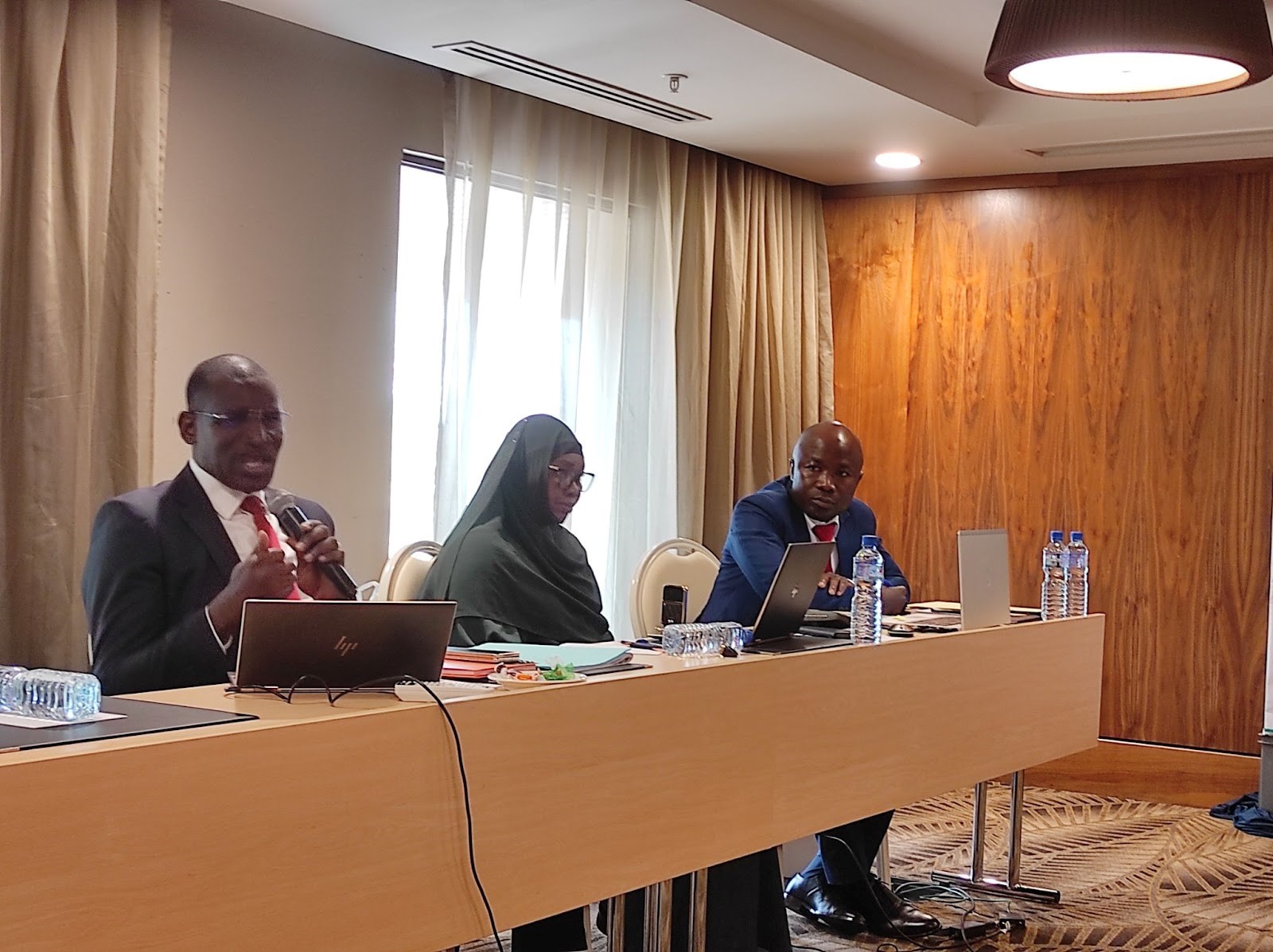
During the press briefing, CBI Togo’s management presented its assessment of Islamic finance in Togo. Also, it approved the launch of the Hajj Savings, which complies with the rules of Islamic finance and aims to facilitate the procedures for the Hajj pilgrimage.
Prof. Mensah Anani Mensah Nourredine, Imam Mako, and Dr. Khouildi Abdessatar, members of the Internal Control Committee of Coris Bank Baraka, welcomed the positive evolution of the Islamic finance offer in Togo.
Compliant with Shari’ah Law, Islamic finance does not allow interest-bearing loans and has at its heart Islamic morality and ethics. Besides, it puts emphasis on socially-responsible investments.
Although CBI Baraka is the first player to offer this type of product to individuals and corporations in Togo, at the institutional level the country has already mobilized resources through Islamic bonds, Sukuks. In fact, Togo was one of Africa’s top 10 Sukuk issuers in 2018, according to Moody's.
Globally, Islamic finance represented an outstanding amount of more than $2.8 trillion in 2021 or slightly more than 1% of conventional finance.
Ayi Renaud Dossavi
Togo: US ambassador and minister of investment promotion talk cooperation
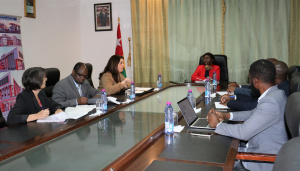
The Togolese minister of investment promotion, Rose Kayi Mivedor, met with the US ambassador in Togo, Elizabeth Fitzsimmons, last week, on Feb 1. According to the ministry, the two women talked mostly about the Togolese business climate and US investments in the African country.
Mivedor and Fitzsimmons assessed the level of cooperation between their countries relative to investments. They also talked about the reforms that Togo undertook, to secure Compact financing (provided by the US State Department via the Millenium Challenge Corporation), and about ways to attract more American investors.
In the last two years, Mivedor’s ministry has leveraged diplomatic relations to promote Togo’s image as a land of investment. It does this through a tight collaboration with the ministry of foreign affairs (of Togo).
Togo: Aquaculture production up by 57% in 2020-2022
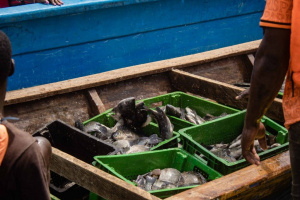
Over the past two years, Togo’s aquaculture output grew by 57%, from 730 t in 2020 to 1,151 t in 2022. The ministry of maritime economy disclosed the data on Feb 7, 2023.
The ministry of fisheries, for its part, said Togo recorded the growth because it is investing heavily to support aquaculture”. The government, indeed, supports fishermen by providing them with equipment, like motorized boats, floating cages, and feeders.
"This rapid growth in aquaculture production is a clear indicator of the success of the State's strategy to support aquaculture in Togo and offers economic and development opportunities for fish farmers and local communities," said the ministry of fisheries. The same source also referred to a major project steered by the government to grow the production and export of sea products. This is the Togo Aquaculture Development Project (PDAT); it is currently in its pilot stage which takes place on the Nangbeto Lake.
Last year, 11,567 t of fish were caught in Togo through artisanal maritime fishing, 117 t through industrial fishing, and 6,300 tons of fishery products were caught in continental waters. As for fish farming, it has generated 835 tons.
Esaïe Edoh
Togo: the 8th edition of WAEMU Banks and SMEs begins
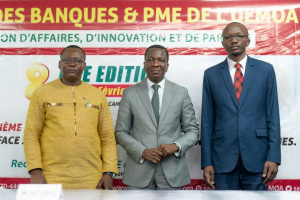
The 8th Edition of the WAEMU Banks and SMEs (SBMPE-Uemoa) fair launched yesterday, Feb 7, in Lomé. The launching ceremony was chaired by Togo’s minister of trade, Kodjo Adedze.
The 4-day event gathers experts, employers, SME managers, representatives of banks, microfinance, and insurance organizations, as well as project promoters. Held both physically and online, it centers on the theme: “Financing and investment of SMEs in WAEMU, facing the crises and changes in African economies.”
"By agreeing to host this event, the Togolese government shows its support for the initiative of the promoters of the fair, which will allow the various actors to reflect, share their experiences and concerns, and develop win-win partnerships in order to make recommendations to the relevant authorities. We impatiently await the solutions that will come out of your work to make the most of it," said Kodjo Adedze, before recalling the actions undertaken by Togo on the issue.
For Youépéné Hermann Nagalo, Permanent Secretary of the Show, “the SBMPE-Uemoa is an initiative that complements all other existing initiatives. The ultimate goal is to achieve the transformation of our economies through SMEs.”
As a reminder, a call for innovative projects was launched as part of the show, and nearly 400 applications have already been registered.
Togo, 2 others, suspended temporarily from Extractive Industries Transparency Initiative
Togo has been temporarily suspended from the Extractive Industries Transparency Initiative (EITI). The organization's Board of Directors blames the country for failing to publish a report on its extractive activities in 2020.
Two other countries were suspended for the same reason: Kazakhstan and Mexico. The three countries failed to produce the report before the set deadline (December 31, 2022).
"Togo cannot claim an extension of the reporting deadline for the fiscal year from 1 January 2020 to 31 December 2020. The deadline for publication of the outstanding report remains 31 December 2022," said the EITI Board in its decision note issued on February 1, 2023.
The sanction will be "automatically lifted if the report is published within 6 months of the reporting deadline," the Board added.
The EITI is an international organization that promotes good practices of transparency and accountability in the governance of the extractive sector. It had already suspended Togo in 2019 for publishing its 2017 report late.
Esaïe Edoh
Togo Top Impac 2022t: Faure Gnassingbé wins African Personality of the Year Award
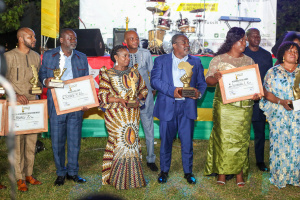
Nineteen (19) people won the Togo Top Impact Awards this year. The list was unveiled last Saturday, Feb 4, during a gala dinner at the Sarakawa Hotel in Lomé. Several officials were present.
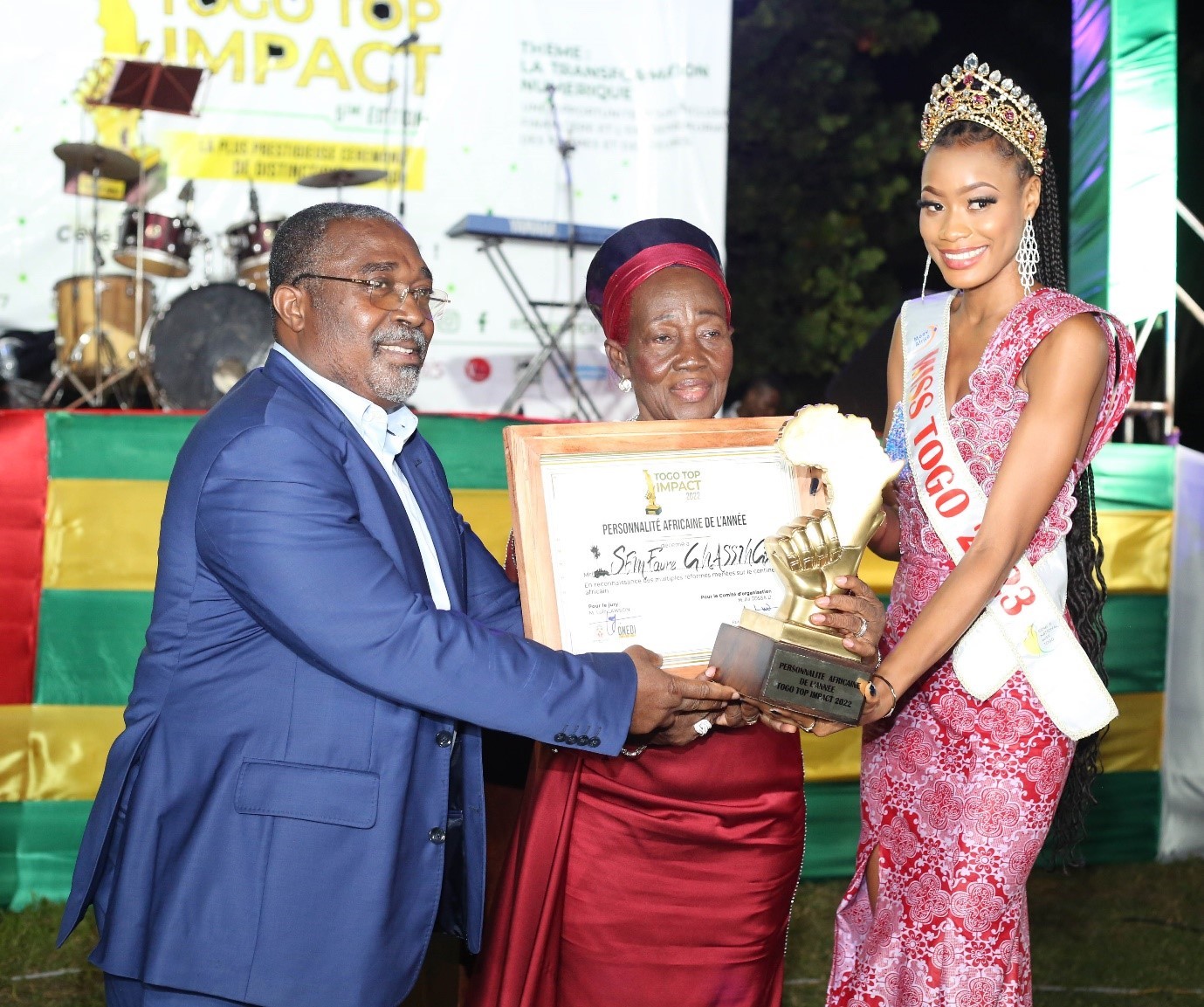
President Faure Gnassingbé was among the award winners. He won the African Personality of the Year 2022 award, for promoting peace and mediating in the Mali-Côte d'Ivoire crisis.
Other winners include Kovi Adanbounou, mayor of the Agoè-Nyivé 1 municipality(Maritime Region), Patience Adjivon, co-founder of Lomé Business School, and Dona Etchri, a successful digital entrepreneur.
The complete list of winners
AFRICAN PERSONALITY OF THE YEAR 2022: HE Faure E. GNASSINGBE
PERSONALITY OF THE YEAR 2022: Mr. ADANBOUNOU A. Kovi
Excellence Award 2022: Mr. TCHODIE P. Kokou
Best woman manager of the year: Mrs. ADJIVON Patience
Best female leader of the year: Mrs. GABIAM Ayélé Esther
Best young leader of the year: Mr. DEPOUK'N A. Markus
Best rural entrepreneur of the year: Mr. TEWOU Kokou
Best cultural actor of the year: Mr. BOSSOU-HUNKALI A. M. Marcelin
Best humanitarian action of the year: ANVT
Best digital entrepreneur of the year: Mr. ETCHRI Edeh Dona
Best digital solution of the year: Sodjinè Pay
Best journalist of the year: Mr. BALAO Kossi Elom
Best Togolese of the Diaspora at the social level: Mr. BATTAH Komi
Jury Prize: Mrs. DOGBE Kayi Béatrice
Prize for the best promoter of community development: Mr. GOMADO Joseph Koamy
Prize for the valorization of research and innovation: Prof. AZOUMAH K. Yao
Prize for the leader of the Togolese diaspora: Mr. RADJI Safiou
Digital Transformation Award: Mr. GALLEY Yaovi Michel
Entrepreneurial Resilience Award: Mr. BADIROU Fatiou