
Togo First
President Erdogan arrives in Lomé
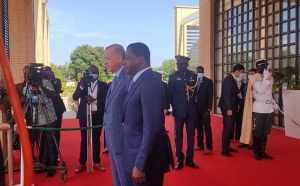
President Recep Tayyip Erdogan from Turkey just arrived in Togo, as announced by the Togolese presidency. He was welcomed on his arrival at the Gnassingbé Eyadema International Airport by his Togolese counterpart, Faure Essozimna Gnassingbé.
The Turkish leader came with about 100 people, including officials, economic operators, and investors.
As a reminder, talks between the Togolese and Turkish presidents will focus on bolstering the partnership and cooperation between the two countries. The two men will also talk about security issues in Africa and the pandemic’s management. There will also be a mini-summit which will be attended by the presidents of Burkina Faso and Liberia.
Cimtogo raises price per ton of cement
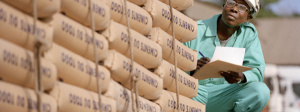
Cimtogo, a subsidiary of HeidelbergCement, increased the price of its CPJ 45 cement. The information was confirmed last Saturday by Eric Goulignac, MD of Cimtogo.
In a note addressed to retailers dated October 13, 2021, the cement supplier announced the new price and it became effective on October 15. According to the note, the ton of cement sells for CFA79,001 at Cimtogo’s plant in Lomé, and CFA81,000 in Kara.
The surge is apparently due to shocks faced by global maritime supply chains, health restrictions, and economic recovery which is causing demand for goods to rise. These various factors, Goulignac explained, impact ships’ capacities, exacerbating containers’ shortcomings and resulting in higher freight rates.
“This price adjustment became necessary after a 250% increase in fuel for the Scantogo plant and an increase of more than $35 per ton in sea freight on gypsum and coal. Given the actual global context, keeping old prices is no longer possible,” Cimtogo’s MD said.
This means that Togo is now among WAEMU countries - Senegal, Mali, Côte d’Ivoire, Benin - where the price of the traditional cement bag rose in 2021. However, Togo, which produces clinker, remains one of WAEMU states where cement is the most expensive.
Yesterday, Oct. 18, certified cement retailers started selling Cimtogo’s cement at CFA80,000-CFA82,000. Meanwhile, the prices of Diamond and Dangoté cement were stable in most places.
“I sell it for 81,000 FCFA. The prices at Cimtogo changed last week. Otherwise, it was 78,000 CFA francs per ton,” a retailer in the Vakpossito district on the outskirts of Lomé told Togo First.
Fiacre E. Kakpo
IMF’s new resident representative confirms progressive economic recovery in Togo
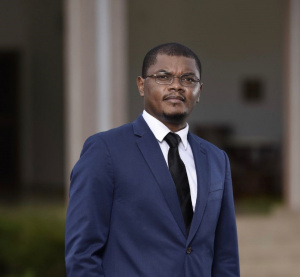
Maximilien Kaffo, the new IMF resident representative in Togo said last Thursday that the country’s economy grew over the first half of the year, despite the Covid crisis. This was also the opinion of the National Council for Credit (CNC).
Kaffo made the statement during a meeting with the local press. He also said that the sectors of industry, trade, services, and some others, regained their pre-pandemic activity levels.
“Production’s resumption also reflects a sustained recovery of demand (internal and external),” the economist said, sharing the CNC’s views.
Indeed, the CNC, during its third session of the year held on October 7, noted that “after nine months of activity, economic indicators point to a stronger-than-expected recovery in the service sector, which is more resilient to the negative impact of Covid-19.”
The council also reported that the average inflation rate stood at 3.9% at the end of August 2021. Year on year, it was at 5.7% in September, which is better than the figure recorded between July and August (6.8%).
Concerning the IMF-Togo relationship, Maximilien Kaffo said talks between the two sides would continue in all serenity.
Let’s recall that last June, the Togolese side kickstarted negotiations with the Bretton Woods institution to “finalize agreements for a new Extended Credit Facility (ECF).”
Esaïe Edoh
Togo-Turkey: Several agreements expected during President Erdogan’s stay
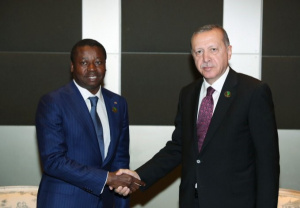
Togo will receive in the middle of this week Turkey’s President, Recep Tayyip Erdogan, and according to the Togolese presidency, many agreements, in various sectors, should be signed during his stay. Erdogan started last Sunday a tour in Africa.
The foreseen deals are expected in the sectors of agriculture, trade, and defense. Ankara noted that “a deal with Togo in the sector of industry and defense will be major.”
Lomé and Ankara hope that the conventions will level up trade between Turkey and Togo. Authorities from the two countries added that over the past few years, “Togo’s economy has been growing amid political stability.”
It is worth recalling that the Togolese ministers of foreign affairs, Robert Dussey, and defense, Yark Damehane, were in Turkey last June. At the time, the officials talked with Turkish authorities, notably the minister of defense and business actors, regarding ways to boost cooperation between Togo and Turkey.
During his stay in Lomé, President Erdogan will meet with his Togolese counterpart, Faure Gnassingbé, but also visit strategic sites.
Esaïe Edoh
Tsevie is now home to Togo’s first fruit and vegetable processing unit
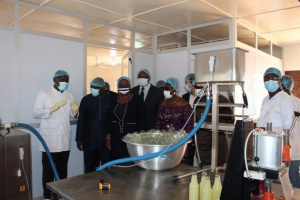
A fruit and vegetable processing unit, the first in Togo, was inaugurated in Tsévié last Thursday. The facility, which will mainly make tomato paste and pineapple juice, was inaugurated by the minister of grassroots development and youth employment, Myriam Dossou-D’Almeida.
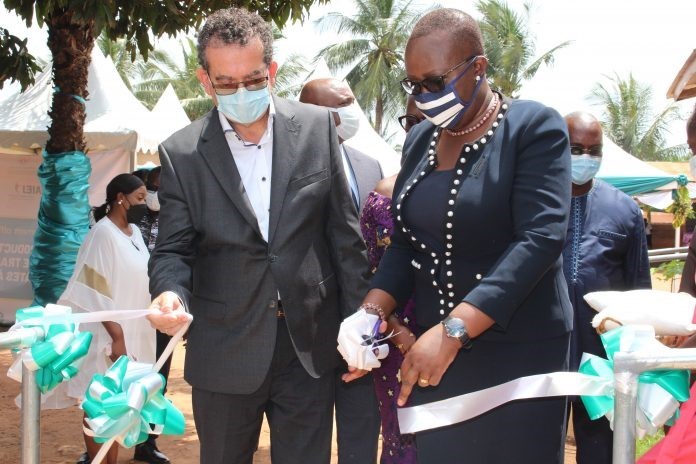
“The commissioning of this processing unit opens up a new page in our country’s agribusiness sector and especially regarding the production of fruit juice and vegetable processing. The unit will help better leverage the strategic position of the Tsévié, notably relative to the Industrial Platform of Adétikopé (PIA), and create jobs for the youth,” through entrepreneurship, said Myriam Dossou-D’Almeida.
The initiative, led by the FAIEJ - the Fund for Support to Youth-led Business Projects - was backed, technically and financially, by the GIZ’s Sustainable Economic Development Program (ProDED). The institution injected CFA30 million into the project.
Esaïe Edoh
Togo: Vaccine Pass could be expanded to the whole country (CNGR)
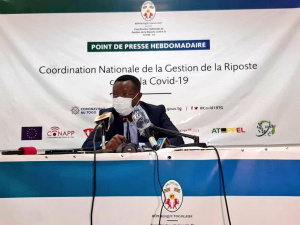
In Togo, the vaccine pass measure is only mandatory in the Grand Lomé region at the moment because the region concentrates the most cases (over 90%) of Covid-19. This explanation was given by Col. Djibril Mohaman who heads the national coordination team tackling the pandemic (CNGR), in response to recent concerns of the constitutional court regarding the pass’ expansion to the rest of the country.
However, the CNGR added that when vaccines become readily available within the country, the vaccine pass could become mandatory for all as well.
The constitutional court expressed, in a notice issued on Sept.30, two concerns regarding the government’s draft legislation on the vaccine pass.
So far, about a million people have received at least one vaccine shot in Togo - nearly 25% of the target population (4 million). More than 410,000 have received at least two doses.
Ayi Renaud Dossavi
Togo seeks CFA50 billion on the UMOA securities market in October
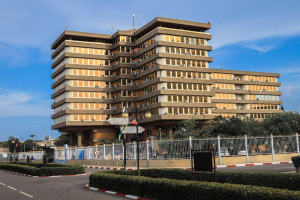
Togo will try to raise CFA50 on the regional money market this month. The funds will be used to finance the country’s Covid-19 recovery strategy.
Lomé’s first issue on the UMOA securities market is today, Oct. 15. The country, by issuing recovery bonds, will seek CFA25 billion. Another issue (of fungible Treasury bonds) is set to follow on October 29 with the same goal.
So far this year, the UMOA securities said, Togo has carried out 19 issues raising a total of CFA502 billion which helped it finance its economic recovery post-Covid-19.
Over the past year, the country raised CFA623 billion on the same market, through 23 issues.
Esaïe Edoh
Togo: Chamber of Commerce and Industry to boost Togo-Burkina Faso trade
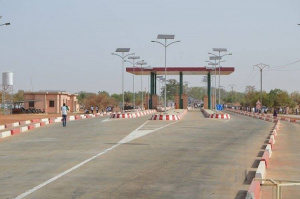
The chamber of commerce and industry of Togo (CCIT) wants to boost trade between Burkina Faso and Togo. To this end, the chamber held, on Oct. 13, a meeting with its technical and financial partners to assess the needs of sellers active on the Lomé-Ouagadougou axis.
Measures planned to support small sellers along this road axis include “interventions at checkpoints to make it easier for them to transport their goods, and boosting capacities to help them better manage their business,” said Yawo Josias Kavege, director of business support at the CCIT.
The meeting held two days ago concerned actors of the formal sector, security, and sellers’ association. It falls under the Program to Boost Trade in West Africa which ends in 2023. This program aims not only to improve trade between Burkina Faso and Togo but also to triple inter-African trade volumes by 2025.
Togo holds preparatory meeting ahead of COP26

Togo is preparing for the COP26 that will take place from October 31 to November 12, 2021, in Glasgow, Scotland. In this framework, the country’s actors of the climate and environment sector are holding a meeting, started on October 14, in Lomé where they are discussing Togo’s efforts to tackle global warming, and agreeing on arguments they will defend at the international conference.
Actors gathered will produce a roadmap at the end of their meeting, towards tapping all financing opportunities related to the fight against climate change in Togo. Another goal of the ongoing meeting is to achieve cohesion between civil society actors, the State, and the private sector, to better defend the country’s interests and ambitions.
“We must make sure that there is no spectator nor tourist in the delegations from the State, the private sector, territorial collectivities, and the civil society,” said Katari Foli-Bazi, the Togolese minister of environment.
“Togo is forming a good delegation to attend the COP26,” declared Aliou Dia, Resident-Representative of the UNDP in Togo. He stressed that the private sector’s engagement is a “fundamental” step for the country. The UNDP, it should be noted, backs Togo’s efforts to tackle climate change
During the coming COP26, leaders, bosses of major companies, and actors of civil society will come from all over the world to talk about climate changes and what should be done to help countries that are most affected by the phenomenon, and how to organize the global transition. African countries, which are some of the most affected by climate change, plan to ask rich, polluting countries, for more resources, and support to face the threat and finance their green transition.
Ayi Renaud Dossavi
Togo and Mauritania announce future cooperation in the port industry
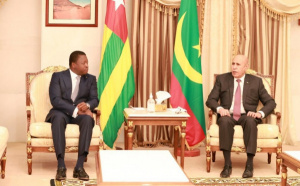
Lomé and Nouakchott will soon cooperate in the port and fishing sectors. The announcement was made Wednesday during an official visit by Togo’s President, Faure Essozimna Gnassingbé, to Mauritania where he met President Mohamed Ould Cheikh El Ghazouani. The two leaders discussed bilateral cooperation between their nations.
According to the statement issued after the meeting, the decision to cooperate in the port and fishing sectors is explained by the major assets that both countries have in these areas. Togo has the only deepwater port in West Africa and Mauritania has a port that is strategically positioned for ships leaving for Europe.
On the matter of the fight against Covid-19, the Togolese and Mauritanian presidents reminded the international community that supplying vaccines is urgent to slow the virus’ spread, in a context where it has “greatly weakened the world economy and Africa’s especially.”
They also stressed that “one of the conditions that will ensure a rapid and sustainable economic recovery post-Covid-19 is the cancellation of African countries’ debt.”
Regarding violence in the Sahel region and the risk it spreads to neighboring States, the two presidents emphasized “the need for the international community and the G5 Sahel to strengthen their commitment in fighting terrorism.”
They also talked about climate change and deplored that Africa was the first victim of greenhouse gas emissions, though the region is a minor emitter.
Esaïe Edoh