
Togo First
Togo: Customs Revenues Up by Almost 21% in Q1 2024, YoY
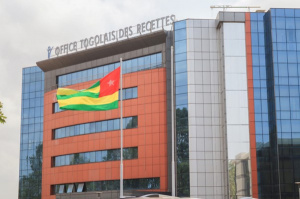
Togo's customs revenue has seen a significant increase in the first three months of 2024, with the Commissariat des Douanes et Droits Indirects collecting 99.3 billion FCFA, a 21.10% increase from the 82 billion FCFA collected during the same period in 2023.
Customs duties reached FCFA 35.4 billion, a 20.41% increase from the previous year, while VAT on imported goods rose significantly to FCFA 43.7 billion, a 105.16% increase from the first quarter of 2023.
These increases come against a backdrop where the port of Lomé and the Togolese corridor have established themselves as a bypass route for goods destined for Niger, following the closure of the borders between Benin and Niger. The lifting of sanctions in February and the decision of the Niger authorities to keep the border closed with Benin have benefited Togo, which has stepped up its initiatives to facilitate trade.
Although Q1 2024’s results are too premature to demonstrate the new dynamics, the effects should be more visible by the end of the semester or mid-Q3.
Togo seeks CFA434 billion in customs revenues in 2024. Last year, it targeted CFA334 billion but raised CFA389 billion.
Fiacre E. Kakpo
Millenium Challenge Account: OMCA-Togo Prepares for Closure of ICT and Land Reform Projects
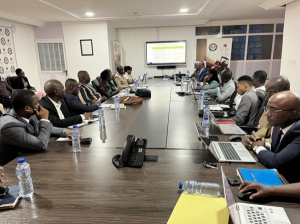
Togo's Millennium Challenge Account Implementing Agency (OMCA-Togo) is preparing for the closure of the ICT and Land Reform Projects (LRAP), currently being deployed as part of the Threshold program. OMCA-Togo's Administrative and Financial Department organized a workshop to launch the program's closing process on Monday, June 11.
The workshop gathered heads of entities responsible for implementing the Threshold program from the Ministry of the Digital Economy and Digital Transformation and partner agencies and authorities in the ICT project. For the LRAP project, representatives from the Ministries of Urban Planning and Land Reform, Territorial Administration, Economy and Finance, Agriculture, and Rural Development were also present at OMCA-Togo.
The workshop aimed to present to the players involved in the program the broad outlines of their roles and responsibilities in drawing up the Program Closure Plan (PCP) and its implementation during and after the end of the Threshold program. This document aims to guarantee a smooth transition, maximize the program's impact, and ensure the sustainability of the results obtained.
Over the following six months, concerned parties will collaborate to validate the document which the MCC and the OMCA-Togo Board of Directors will approve.
The Threshold program has a budget of 20 billion FCFA ($35 million). At the end of September 2023, the ICT project was 71% complete, and the Land Reforms for Increased Agricultural Productivity (LRAP) project was 100% complete, with an overall financial execution rate of 21%, which has since improved.
IMF Presents New Economic Outlook for Sub-Saharan Africa in Lomé
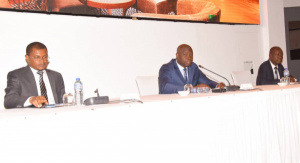
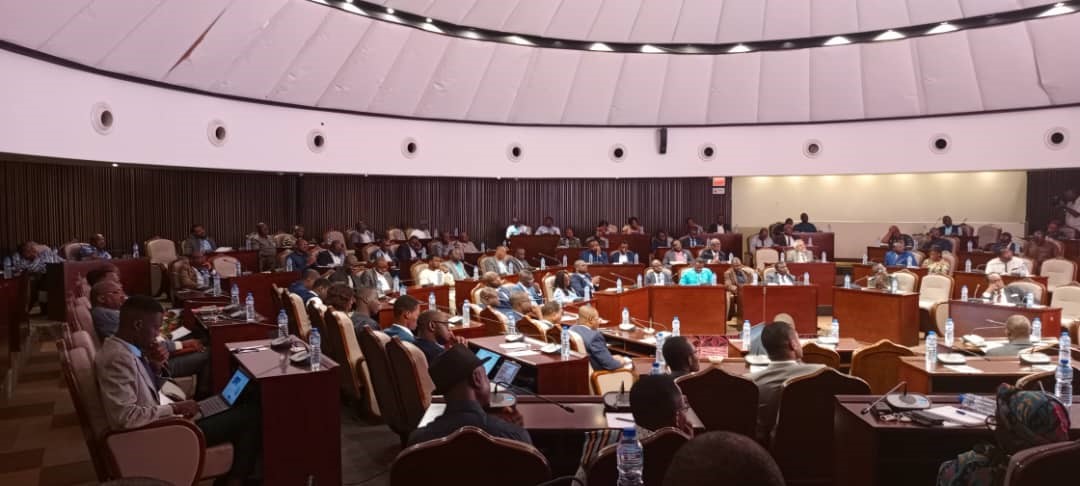
The International Monetary Fund (IMF) presented its regional economic outlook for sub-Saharan Africa (SSA) in Lomé, Togo, on June 13. The event brought together Togo's financial partners, including the World Bank, the UNDP, the African Development Bank AfDB, the European Union, and the French development agency AFD.
"Timid and costly recovery”
Themed “Timid and Costly Recovery”, the IMF report outlines future challenges and recommendations to support SSA countries. The report is dated April 2024.
"The subregion is expected to grow from 3.4% last year to 3.8% this year. Macroeconomic imbalances in the sub-region are also being reduced, whether in terms of the countries' deficits in the sub-region, or terms of debt. The report also identifies several persistent challenges. There remains a shortage of financing. It's still difficult for many countries in the sub-region to raise resources on the international markets", said Maximilien Kaffo, IMF resident representative in Togo. The Fund also notes the persistence of exogenous and endogenous shocks, especially climate change, and the uncertainty tied to elections in many SSA countries.
“Overall, the recovery remains very timid”, even if each country has a different context. This slow recovery does not foster a significant rise in per capita income across the region.
Togo to bring down budget deficit to 3% by 2025
The Togolese government broadly shares this view, as Stéphane Akaya, Secretary General of the Ministry in charge of the Economy and Finance, indicated at the opening of the recent meeting.
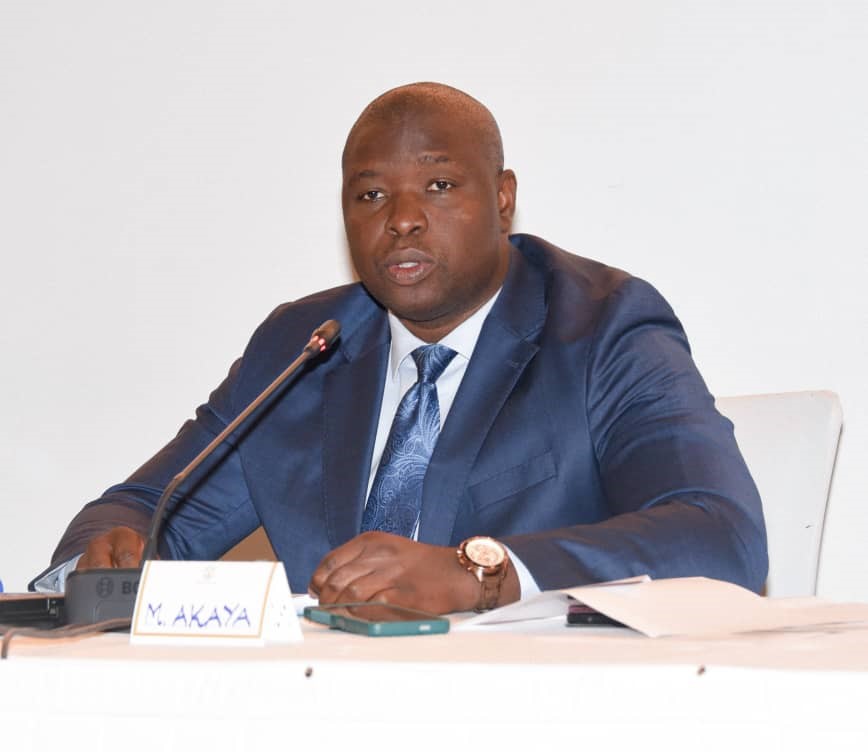
"The Government broadly shares this report’s conclusions and recommendations made, which, for the most part, align with the strategic orientations of the Government Roadmap", Akaya noted. He then recalled that Togo seeks to cut its budget deficit to 3% of GDP by 2025. This would require boosting revenues and better managing spending, focusing on priority expenses.
In 2023, Togo signed a new agreement under the Extended Credit Facility (ECF) with the IMF. The move led to a series of disbursements to the public treasury and should help meet the macroeconomic and budgetary targets.
Ayi Renaud Dossavi
Togo: Cotton Sector to See Breakthrough After Talks between Olam and Farmers
Togolese cotton farmers and the government recently met with Olam Group to discuss the cotton industry. This could be good news for the sector, after a 2023/2024 season marked by tensions and mild output.
The meeting took place on June 11 and 12 at the Ministry of Agriculture in Lomé, gathering the industry’s key players. The Minister of Agriculture, Antoine Gbegbeni, oversaw the talks, alongside representatives of the Nouvelle société cotonnière du Togo (NSCT) and the Fédération nationale des groupements de producteurs de coton du Togo (FNGPC).
Major issues covered included the fixing of the purchase price of seed cotton at 300 F CFA for 1st choice and 280 F CFA for 2nd choice. The goal was to guarantee farmers better remuneration. It was revealed that NPKSB and Urea fertilizers will be sold at subsidized prices (14,000 F CFA per 50-kilogram bag).
The decisions emerged after farmers complained about input costs.
Also during the sitting, a tripartite committee was set up to examine all strategic issues plaguing the cotton industry. The committee regroups representatives from FNGPC, NSCT, and the State.
In recent months, farmers have lost trust in Olam, complaining about how it manages the sector after it took over the NSCT in 2020. Among others, they complained about stagnant yields and delays in supplying essential inputs.
"We've been watching Olam for more than three years, and right now, we don’t trust them to move forward," said Koussouwè Kouroufei, president of the Fédération Nationale des Groupements de Producteurs de Coton (FNGPC). The body regroups five regional unions for 27 prefectural unions with 3075 producer groups, totaling 153,000 cotton growers.
The Minister of Agriculture lauded the recent talks and urged farmers to ramp up efforts for greater results in the coming campaign. Farmers are yet to comment.
Since it took over the sector, via the NSCT, Olam has struggled to achieve its major goal of doubling Togo’s cotton output. It was only this year that the Asian group recorded its first output increase. Many blame Olam and its management for the situation but there are other factors behind the shortfalls (in yields and production).
ECOWAS Court Holds Regional Training on Electronic Case Management System in Lomé
The Court of Justice of the Economic Community of West African States (ECOWAS) held a regional training meeting on the use of the Electronic Case Management System (ECMS) from June 10 to 12 in Lomé. The meeting brought together lawyers and judicial agents from French-speaking countries in the community.
The training focused on digitizing the Court's procedures, including decisions drawn up in electronic format, time limits for enforcing commercial decisions, and deadlines for judges to rule on provisional applications.
This move aims to improve access to the Court and streamline proceedings. It will also allow parties involved in a trial and litigants to introduce their cases and monitor them remotely.
"The legal recognition of electronic writing and electronic signatures will help address issues related to electronic evidence and securing trial documents," said Togolese Minister of Justice Mipamb Nahm-Tchougli.
Esaïe Edoh
Togo: PIA’s Dry Port to Resume Operations Very Soon
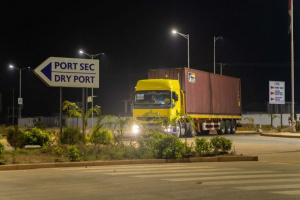
The dry port of the Plateforme Industrielle d'Adétikopé (PIA) should resume operations in a few days. Edem Tengue, Togo’s Minister of Maritime Economy, disclosed the news via X on June 12.
The resumption aims to redynamize trade between Togo and Niger. It follows a meeting to evaluate activities at the Port of Lomé, particularly those related to the transit of goods bound for Niger.
Activities at the dry port were paused in March 2024, and this had a significant impact on the transit of goods to Niger.
As operations are set to resume soon, several shipping giants said they want to join the platform. These include Swiss-Italian MSC, Denmark's MAERSK, France's CMA CGM, Singapore's PIL, and Japan's ONE.
The dry port was established by a presidential decree issued in May 2021. The Adétikopé Industrial Platform (PIA), a PPP between the government and ARISE, has been a major hub for the region, serving as a platform for trade with landlocked countries.
Esaïe Edoh
Togo: Economy Expected to Grow 6.6% in 2024
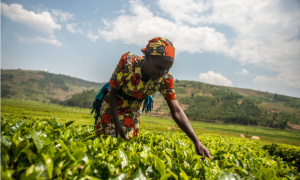
Togo's economy is expected to grow 6.6% in 2024, up from the 6.4% estimated for 2023, according to the Ministry of Economy and Finance's Economic Outlook to the End of March 2024.
According to the Permanent Secretariat for Monitoring Reform Policies and Financial Programs, the growth should be driven mainly by the primary sector, which is expected to grow by 4.6% due to agriculture, livestock, and fishing. The secondary and tertiary sectors are also expected to grow by 7.0% and 7.2% respectively, driven by agrifood, building materials, electricity, gas, construction, manufacturing, trade, transport, and accommodation and catering services.
The Secretariat also forecasts an average annual growth of 7% between 2024 and 2026.
Inflation is also expected to continue to fall, with IMF projections indicating that it will fall to less than 2% between 2025 and 2028. This is due in part to favorable agricultural prospects, adequate supply on food markets, and government measures to contain price rises.
Ayi Renaud Dossavi
Togo's Economy Shows Solid Growth, IMF Mission Says
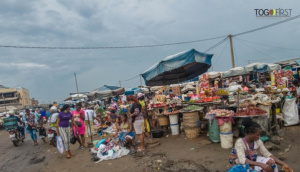
Togo’s economy is doing well according to recent figures released by the IMF. According to a recent mission led by Hans Weisfeld, the West African country recorded a 5.6% growth rate in 2023, while inflation has fallen to 2.6% in April 2024.
The IMF mission, which ended on June 7, noted significant progress in various areas. Overall budget revenues have been raised to 16.8% of GDP in 2023, reflecting progress in resource mobilization. Additionally, the mission noted a decline in extreme poverty, with the rate falling to 25.8% in 2023 from 28.4% in 2018.
The assessment of the achievement of the Sustainable Development Goals (SDGs) also showed progress, with a score of 56.3 out of 100 for Togo in 2023, compared to 54.7 in 2018.
"This progress is the result of initiatives taken by the Togolese authorities, aimed at stimulating growth through structural reforms, improving the business climate and strengthening social inclusion through spending focused on vulnerable populations," said the IMF.
The World Bank-funded Social Nets and Basic Services (SNBS) project, which has reached over 104,000 households across the country in 6 years, has been instrumental in achieving these positive results. The cash transfers made in almost 975 localities have helped to improve the situation of beneficiary households.
The IMF delegation praised the Togolese authorities for their fiscal consolidation efforts, and encouraged them to pursue these actions to strengthen debt sustainability while promoting economic growth.
In March 2024, the Executive Board of the International Monetary Fund (IMF) approved a 42-month arrangement for Togo under the Extended Credit Facility for SDR 293.60 million, or around $390 million (200% of quota), with an immediate disbursement of SDR 51.380 million (around $68.3 million).
Esaïe Edoh
ECOWAS Holds Consumer Protection Workshop in Lomé
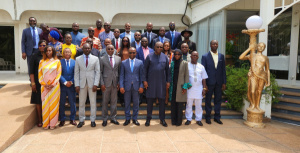
ECOWAS is holding a sub-regional workshop on consumer protection in Lomé. The workshop, which brings together participants from ECOWAS member states, aims to enhance their skills and knowledge of the ECOWAS consumer protection directive. It began on June 10.
The workshop aims to educate participants about the provisions and implications of the ECOWAS Consumer Protection Directive. It will specifically teach them theoretical and practical aspects relative to consumer protection within the ECOWAS Community.
According to Barros Bacar Banjai, ECOWAS Resident Representative in Togo, the workshop has two main objectives: to strengthen the skills of those responsible for ensuring consumer protection and to foster cooperation between all the structures responsible for competition within the community.
Ultimately, the session should harmonize national legislation and fill the legislative gaps in member countries in terms of consumer protection.
Togo Kicks Off 3rd Edition of QEDD, an Environmental Awareness Program
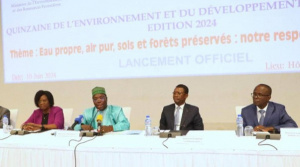
Togo's Quinzaine de l'environnement et du développement durable (QEDD) is back for its third edition. The event was launched on June 10 by Minister of the Environment and Forest Resources Foli Bazi Katari. It aims to raise awareness about environmental issues and educate the public.
The event, which runs until June 24, will feature debates, competitions, and training sessions on climate change. The goal is to draw attention to the major environmental challenges facing the country, including climate change, biodiversity preservation, and pollution.
"The QEDD is a strategic initiative to raise awareness about the scale of today's environmental challenges," said Adadji Koffi, Managing Director of National Agency for Environmental Management. "Through civic and political actions, we aim to trigger genuine awareness and increased commitment to environmental protection," he added.
The QEDD was first organized in 2016 and has since become a key platform for environmental awareness and mobilization in Togo.
Esaïe Edoh