
Togo First
Togo will tighten procedures for selecting cybersecurity firms

The government of Togo will tighten procedures to select trusted providers of cybersecurity services. This aligns with the country’s ambition to become a leading cybersecurity hub in Africa.
The move was disclosed last Thursday, during the council of ministers. On the occasion, the authorities adopted a draft decree on trusted cybersecurity firms and the approval of evaluation centers.
By tightening the measures, Lomé aims to “efficiently secure data systems of administrations and operators of essential services," and to make Togo “a model in this area.”
This includes the establishment of rules to qualify a "trusted" provider of cybersecurity and security products, and the approval procedure for evaluation centers of providers.
The news was disclosed a few days after the government signed with UNECA a memorandum of understanding (MoU) to set up the African Cybersecurity Coordination and Research Center, in Togo.
Togo, it should be recalled, aims to dematerialize 75% of its administrative procedures, by 2025.
Written by: Ayi Renaud Dossavi
Translated from French by Schadrac Akinocho
Togo: Government introduces code of conduct for state representatives heading public and parapublic companies

Some Togolese state representatives will soon respond to a code of conduct that sets standards for integrity, loyalty, and professionalism. Held on August 25, 2022, the council of ministers adopted a draft decree in this framework.
The upcoming code of conduct, the council wrote in a statement, will “help maintain respect for the principles of integrity, loyalty, and professionalism of representatives of ministries within the governance bodies and/or committees." These are representatives working in public companies, committees, private companies with state participation, and national public establishments.
The move aligns with the government’s ambitions to bolster its public-private partnership (PPP) strategy, and secure more foreign investments. To achieve these goals, Lomé has been improving its business climate. The authorities are also strengthening the country’s legal framework for public procurement, regarding PPPs especially.
The Togolese government, it should be recalled, has already put into effect the laws covering the declaration of official-owned assets. The law forces senior officials and civil servants to declare their property and assets as soon as they take office. This is another effort aimed at fostering integrity and transparency in the government.
Written by:Ayi Renaud Dossavi
Translated from French by:Schadrac Akinocho
African Drug Agency set to launch soon, the African Union says
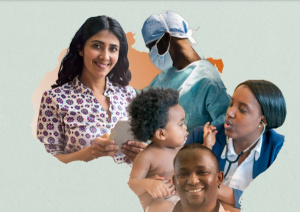
The African Drug Agency will start operating soon. The African Union (AU) disclosed the news in Lomé last Tuesday. It was during a panel of experts organized as part of the 72nd session of the WHO Regional Committee for Africa.
"The treaty was adopted in 2019. We needed 15 countries, and now we have 23 countries that have ratified the treaty for this drug agency," said Dr. Minata Samaté Cessouma, Commissioner for Health at the AU. "We are working to mobilize money and operationalize the agency," he added.
Mainly, the upcoming African drug agency will help African industries deploy their strategies. It will also support local production, in addition to regulating Africa’s pharmaceutical industry and strengthening existing legislation.
Many experts affirm that one of the major obstacles this agency will face is providing African consumers with quality drugs at affordable prices. According to these critics, the agency will also have a hard time convincing African people to adopt “made in Africa” products.
The African Drug Agency will be headquartered in Rwanda. African leaders agreed on this location last July, during a meeting held in Lusaka, Zambia.
Written by:Ayi Renaud Dossavi
Translated from French by:Schadrac Akinocho
Togo: Outstanding loans of microfinance lenders grew by 18.9% in Q1 2022, YoY
In Togo, outstanding loans granted by microfinance institutions (decentralized financial systems) rose by CFA38.3 billion in Q1 2022, compared to Q1 2021. The country recorded the second-largest increase in the West African Economic and Monetary Union (WAEMU), after Burkina Faso (+27.8%). This was disclosed in the latest report of the Central Bank of West African States (BCEAO in French) on microfinance’s state in the WAEMU.
By volume, Côte d’Ivoire was the country where microfinance loans were most granted in the region. Over the period reviewed, these loans shot up 17.7% or CFA73.33, YoY, the report indicates. Côte d’Ivoire is WAEMU’s economic powerhouse.
The results were achieved amidst a slowdown in lending by microfinance institutions in the WAEMU. The lenders usually lend smaller amounts in this period, having granted bigger amounts during the end-of-year holidays.
“Despite the slowdown during the quarter, the outstanding loans of the Union's DFSs were up by CFA268,327.1 million (+16.0%) compared to their level at the end of March 2021,” the BCEAO wrote in its report. Overall, the region’s DFSs loaned CFA1,946,765.4 million in Q1 2022.
Half (50.4%) of the loans these lenders gave out in the first three months of the year are short-term loans. Medium and long-term loans represented respectively 30.5% and 19.1% of the total reported. Men borrowed the most (54.3% of the loans provided went to them). Meanwhile, women and associations took respectively 20.6% and 25.1% of all microfinance loans granted in the WAEMU, in Q1 2022.
Deposits up by 20.4
In parallel to loans, deposits also grew. Across the WAEMU, they increased by CFA55.46 billion or 20.4% in Q1 2022, compared to the same period the year before.
Again, Côte d’Ivoire led with deposits in microfinance institutions growing by CFA100.43 billion. Burkina Faso came next (+CFA81.34 billion). Over Q1 2022, deposits made to the Union’s DFSs totaled CFA2,076.84 billion. Compared to Q1 2021, they were up 19.3% or around CFA336 billion.
Demand deposits made up 58.1% of the total amount deposited between January and March of this year. Time deposits and other deposits made up 21.0% and 20.9%, respectively. Also, men deposited 43.4% of all the money that was saved at microfinance institutions in the region, in Q1 2022. Women and associations contributed respectively 22.2% and 34.4% of the savings.
Written by: Ayi Renaud Dossavi
Translated from French by Schadrac Akinocho
China cancels around CFA1.5 billion of Togo’s debt
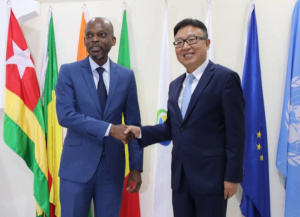
The cancelation was announced last June by the Togolese minister of affairs, Robert Dussey.
China recently canceled part of a debt Togo owes it. The news was confirmed on August 18, by the Chinese minister of foreign affairs, Wang Yi.
Though the Asian side is yet to disclose the exact amount canceled, Robert Dussey, Togo’s minister of foreign affairs, put it at ¥16 million (about CFA1.5 billion). Dussey reported the figure via a tweet dated June 29, 2022. The debt, the official wrote, was interest-free and due in 2021.
Je remercie M. Wu Peng, DG Afrique et SG du comité de suivi du #FOCAC pour l’Annulation de 16 millions de Yuans Renmimbi, soit 1,5 milliards de francs CFA, de dettes de prêts sans intérêts arrivées à échéance en 2021. ??. @MFA_China pic.twitter.com/qwQiKadtBW
— Robert Dussey (@rdussey) June 29, 2022
A generous lender?
Togo isn’t the only country to benefit from the debt cancelation measure. The Middle Empire, indeed, extended its kindness to 16 other nations. The Asian giant wants, through the move, to show its Western critics that there is no “Chinese debt trap”. Several Western countries, the US first, claim indeed that China significantly contributes to Africa’s debt increase, with its not-so-favorable loans. Beijing disagrees.
"Loans that China granted had fixed interest rates and lower than the commercial rates and the rates of loans granted by the African Development Bank (ADB), which are generally between 4 and 10%," answered Wang Wenbin, spokesman for the Chinese Ministry of Foreign Affairs (MFA).
The minister of foreign affairs himself, Wang Yi, argues that China and Africa have a win-win partnership, especially regarding debt relief. The diplomat reports that between 2000 and 2019, China canceled $3.4 billion of debts it was owed. In 2020, Yi added, Beijing restructured about $15 billion of debts, including CFA5.7 billion; In line with the G20 debt relief plan for poor countries. Togo benefited from the restructuring.
Eximbank, a key partner
Togo’s biggest external lender, it is worth noting, is Eximbank China. It comes even before institutions like the IMF (CFA200 billion) and the World Bank’s International Development Association (IDA)(CFA52 billion).
Togolese authorities attribute this situation to Eximbank China’s great contribution to the development of Togo. "It should be noted that Eximbank China's financing has made it possible to carry out major infrastructure projects, especially the rehabilitation and extension of the GNASSINGBE Eyadema International Airport and building bypass roads in Togo,” the authorities said.
More favorable terms are another reason Togo borrows a lot from Eximbank China. The debt Togo owes the bank is repayable over 20 years, with a 7-year grace period. Also, the interest rate, 2%, is fixed. This is better than the 4.5% rate paid on loans secured from France’s Société Générale and Japan’s MUFG Bank, two other commercial partners of Togo.
Since Togo considers Chinese loans to be more favorable (yet, they are getting scarcer in Africa), the country plans to get more of them for its projects. These include the expansion of the N°1 National Road. This project, Lomé affirms, will help Togo better serve its landlocked neighbors, and strengthen its position as a logistics hub in Africa.
Written by: Fiacre E. Kakpo
Translated from French by Schadrac Akinocho
WHO Africa will test Togo’s hospital contractualization model in other countries
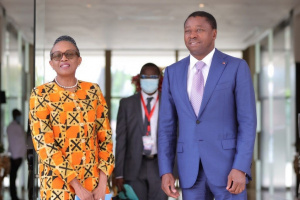
The World Health Organization (WHO) regional office for Africa will test Togo’s hospital contractualization system in other African countries. Matshidiso Moeti, director of WHO Africa, announced the move last Tuesday, Aug. 23.
Moeti revealed the plan during a tête-à-tête with Togolese President Faure Gnassingbé, a meeting held within the framework of the ongoing 72nd session of the WHO Regional Committee for Africa. “We will promote and share Togo’s experience with our other members in the African region,” she told the leader, after praising him for well managing his country’s health system.
We want Africa’s health system to be better financed. We want to increase (its) funding, but I believe that if an experience shows that with the same amount of money we can have more impact, this is a very good example for other our countries,” Moeti added.
Also, she emphasized that WHO Africa wants President Gnassingbé to be the “Leader” of this innovative approach.
It is worth noting that since Togo adopted the contractualization model in 2017, attendance rates in its contractualized hospitals grew by 28%.
Written by: Esaïe Edoh
Translated from French by Schadrac Akinocho
Wezou initiative: Over 1.3 billion CFA spent and 200,000 beneficiaries so far
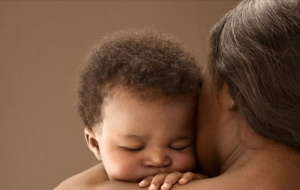
One year into its launch, the Wezou scheme, which provides medical and financial support to pregnant women and newborns, has mobilized over CFA1.3 billion. The figure is found in the latest update of the Togolese Presidency on this program. The update covers the period between September 2021 to July 2022.
The money was used to help more than 376,500 women go to over 206,000 prenatal consultations. More than 909,000 services were provided, including nearly 100,000 deliveries (99,707 to be precise) and 666 c-sections., according to the Presidency.
Back in May, the program was estimated to have drawn CFA950 million, for 160,000 women enrolled.
Wezou supports pregnant women from the day they confirm their pregnancy (within the first 42 days of getting pregnant). The project aims to lower maternal and neonatal mortality rates in Togo. When the government launched the initiative in August last year, they said they would pump CFA3 billion into it.
Written by: Ayi Renaud Dossavi
Translated from French by:Schadrac Akinocho
Lomé to host the 6th edition of African Transitional Justice Forum
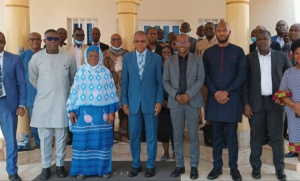
Early next month, Lomé will host the 6th edition of the African Transitional Justice Forum. Togolese authorities recently met with a delegation from the AU and the Centre for the Study of Violence and Reconciliation (CSVR), who organize the forum, to discuss its execution.
The forum, where transitional justice in Africa is reviewed, will, according to its organizers, gather stakeholders who will draw new strategies for bolstering all existing mechanisms and practices related to transitional justice, on the continent.
John Ikubaje, who led the AU delegation, explained that Lomé was picked to host the event because of its experience and expertise in following the recommendations of the Truth, Justice and Reconciliation Commission (TJRC). These recommendations were implemented by the High Commissioner’s Office for Reconciliation and National Unity Improvement (HCRRUN).
"Looking at Togo's experience and efforts in transitional justice, we decided to hold this forum in Lomé. For five days, we had fruitful discussions with the HCRRUN and the inter-ministerial committee and reviewed all factors needed for the successful execution of this important meeting," said the AU envoy.
The African Union (AU) Forum on the State of Transitional Justice is held every year. This year, about 200 participants are expected. The event is set to take place from September 7 to 9.
Written by: Esaïe Edoh
Translated from French by:Schadrac Akinocho
World Health Organization (WHO) celebrates Togo for eradicating four neglected tropical diseases
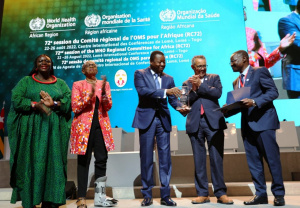
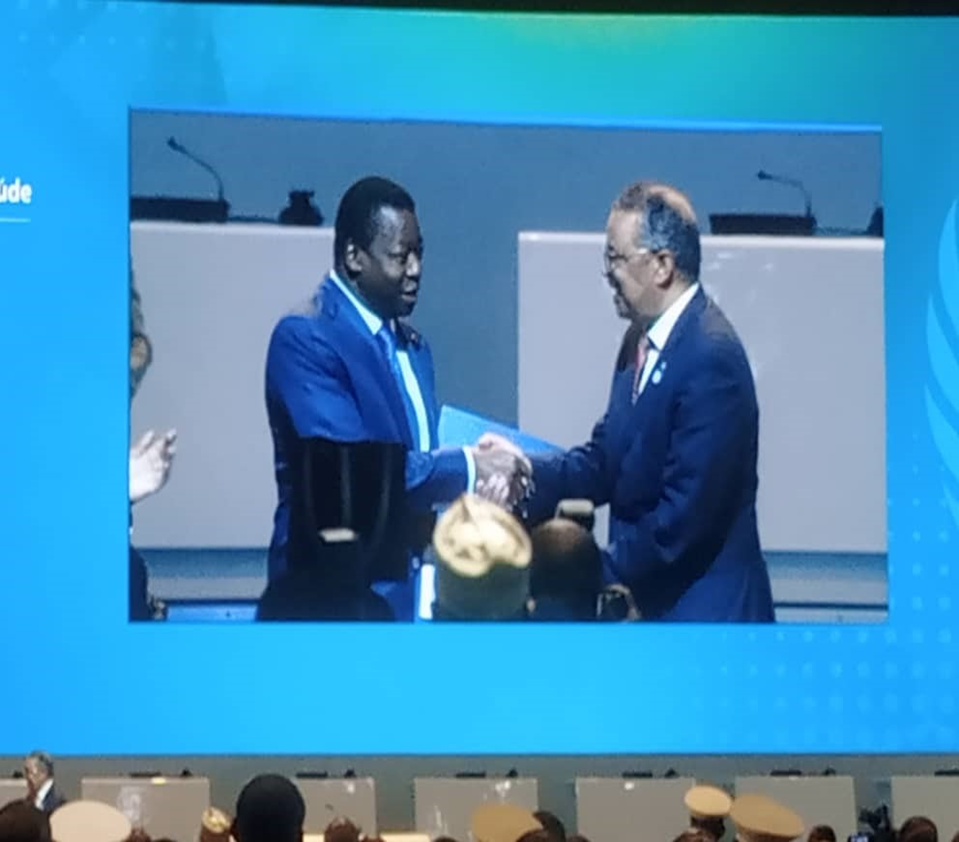
Togo is the first country, worldwide, to eradicate four neglected tropical diseases, namely dracunculiasis, lymphatic filariasis, human African trypanosomiasis (HAT), and trachoma. On August 22, 2022, the West African country received from the World Health Organization (WHO) a recognition certificate for this feat. This was at the launch of the 72nd session of the WHO Regional Committee for Africa in Lomé.
WHO’s head himself, Tedros Adanhom Ghebreyessus, gave the certificate to President Faure Gnassingbé.
Remise de la reconnaissance au Togo pour l’élimination de 4 maladies tropicales négligées (dracunculose, filariose lymphatique, trypanosomiase humaine africaine, trachome) par l’OMS et l’Alliance mondiale pour l'élimination des MTN au Chef de l'Etat SEM Faure Gnassingbé. pic.twitter.com/yzYdlccJy6
— Ministère en charge de la Santé Togo (@MSPS_Togo) August 22, 2022
In order, Togo first dealt with the Guinea worm in 2011. Lymphatic filariasis (elephantiasis) followed in 2017. Two years later, while facing the Covid pandemic, the country met all the criteria for eliminating African trypanosomiasis or African sleeping sickness, which is transmitted by the tsetse fly.
Trachoma was next. Last May, Togo became the fourth African country to officially eradicate the disease, after Morocco, Ghana, and the Gambia.
"This is not only a great achievement but also a gift for future generations," said the Ethiopian Tedros Adanhom Ghebreyessus.
So far, WHO has officially recognized 11 tropical diseases as neglected. These include onchocerciasis, yaws, and Buruli ulcer.
Written by:Ayi Renaud Dossavi
Translated from French by:Schadrac Akinocho
“Health is a priority for social cohesion in Togo” – Faure Gnassingbé
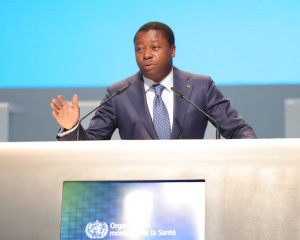
Togo is hosting the 72nd session of the WHO Regional Committee for Africa. At the event’s opening, on Aug. 22, Togolese President, Faure Gnassingbé, said health is a priority for social cohesion, a priority which is at the heart of his government's development policy. The leader then went on to list some of the steps taken by the national health system.
According to Gnassingbé, one of the goals of the 2025 government roadmap is to provide health coverage and access to basic health services for all. This goal, the leader stressed, aligns with the WHO’s 13th general work program. The latter seeks to add a billion people to the institution’s universal health coverage scheme.
The Togolese leader was addressing a crowd of nearly 400 health actors, including WHO director-general, Tedros Adhanom Ghebreyesu, 47 health ministers, as well as health experts and partners.
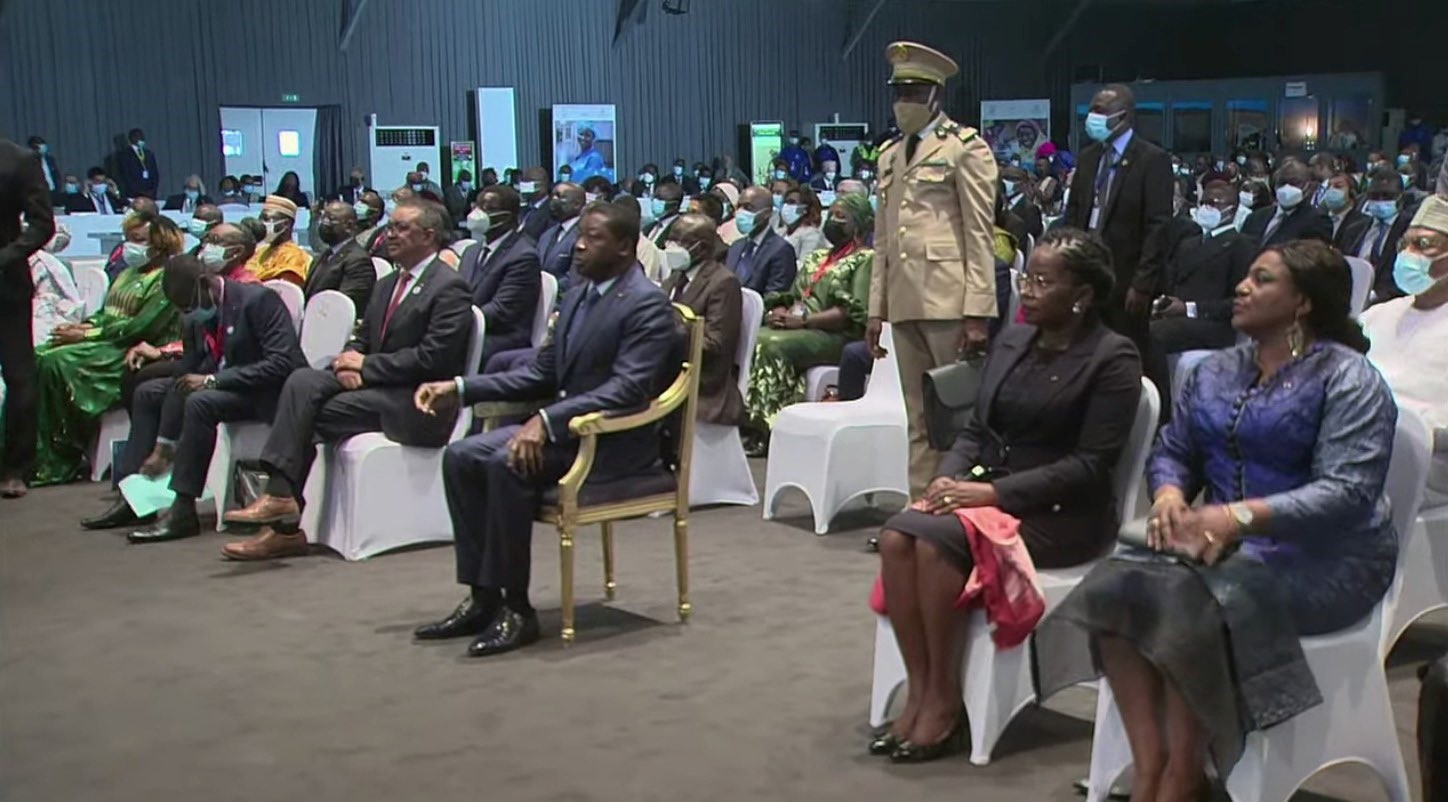
Regarding the efforts to improve the Togolese health system, Faure Gnassingbé noted that his government set up a sub-ministry for universal access to healthcare, within the health ministry, and adopted a bill that establishes universal health insurance. The latter is managed by the National Health Insurance Institute.
Another program President Gnassingbé mentioned is “Wezou”. This is an initiative that benefits pregnant women and newborns.
"Overall, the availability of human resources has improved, with the decentralization of educational institutions and health facilities, through the construction and equipment of structures according to the health map. This has led to a significant increase in geographical accessibility to health care, which is now estimated at 76%," said the Togolese President.
The 72nd session of the WHO Regional Committee for Africa will close on August 26, 2022. Throughout the event, participants will discuss key issues such as non-communicable diseases, climate change, epidemics, and health financing. Subsequently, they will draw a new health strategy for Africa.
Written by: Esaïe Edoh
Translated from French by:Schadrac Akinocho