
Togo First
UMOA-titres: Togo records another successful bond issue
Togo secured CFA25 billion on the regional money market last Friday, through a recovery bond issue. Each bond has a nominal value of CFA10,000, a fixed interest rate of 5.3%, and will mature over 36 months.
According to the Umoa-titres agency, regional investors mobilized 77 billion CFA, or 308.86% of the amount initially sought.
So far into 2022, Togo has secured CFA288 billion on the UMOA-titres market, out of an annual target of CFA550 billion.
Esaïe Edoh
Climate Change: Togo launches a project to set up 10 smart cities

In a bid to tackle climate issues, Togo plans to set up Smart Cities. The government launched a project to this end on June 9, 2022.
In detail, a dozen municipalities will be supported in drawing a strategy for setting up these smart cities, and for preparing an action plan to mitigate and adapt to climate change, in line with municipal development plans (PDC).
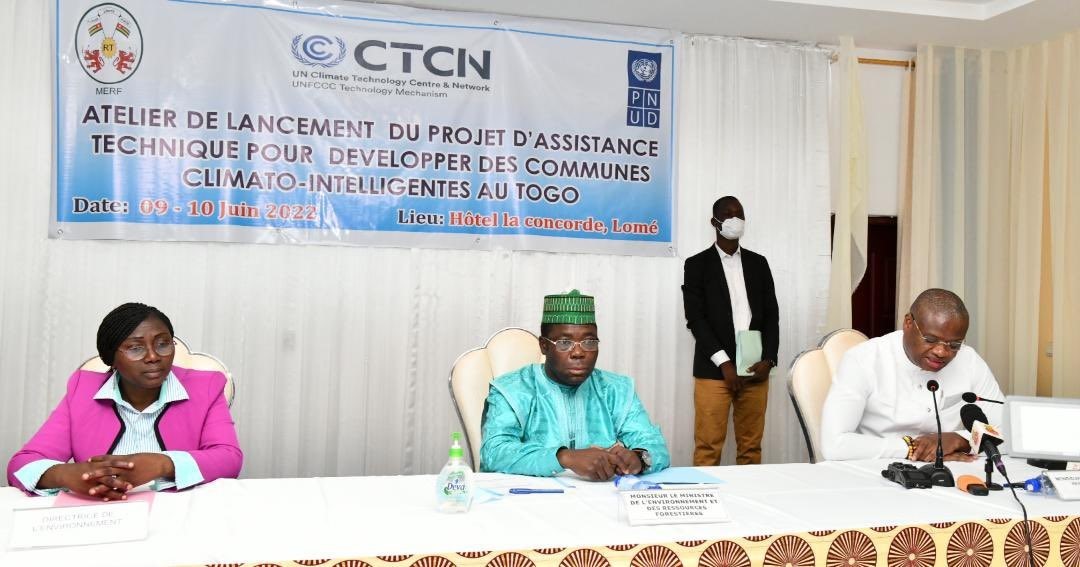
The project, which was launched by the minister of the environment, Katari Foli-Bazi, is backed by the United Nations Development Program (UNDP) and the United Nations Climate Technology Centre & Networks, which is the operational arm of the Technology Mechanism of the UNFCCC (United Nations Framework Convention on Climate Change).
"We have all we need to succeed," the minister told the mayors and representatives of the local authorities of the 10 municipalities. "The challenge is clear. We must reinvent the cities. The effectiveness of decentralization and the prospects for local development are an opportunity to act against poverty and vulnerability of the population," said Aliou Dia, resident representative of the UN agency in charge of development, at the launch of the meeting.
The project will ultimately enable benefiting municipalities to rely on new technologies and manage space more rationally to meet challenges associated with the growing urban population, relative to land, access to water, energy, waste management, access to school infrastructure, transportation, health services, productivity/conservation or agricultural processing.
In March 2021, the government, the UNDP, and the CTCN signed an agreement regarding this same project.
WAEMU: Inflation went further up last April
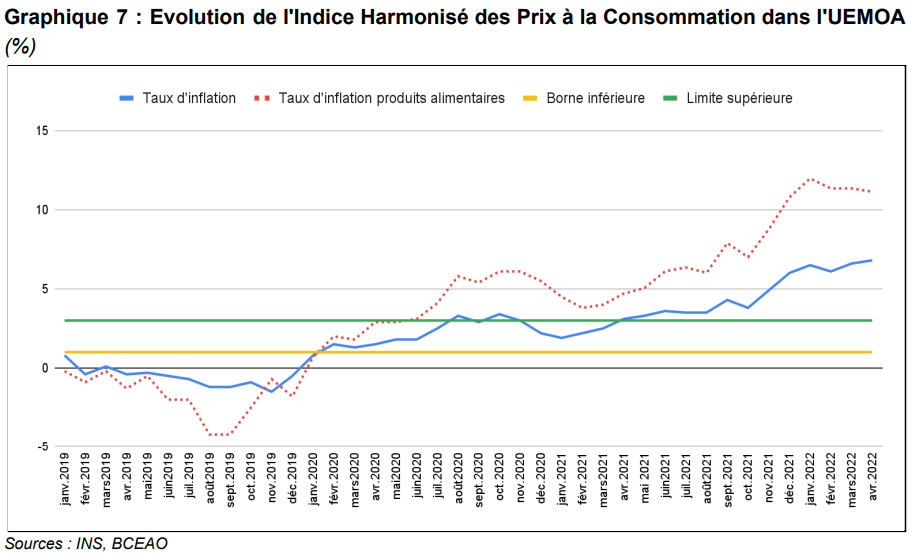
WAEMU countries have been dealing with a surge in inflation in recent months and according to recent figures released by the Union’s Central Bank, BCEAO, things are not getting any better. In a report issued on May 31, the institution wrote that the inflation rate in the region rose to 6.8% in April 2022, from 6.6% and 6.1% in March and February, respectively.
Food, Accommodation, and Transport

The increase was mainly driven by a jump in prices of food products, accommodation, and transport costs. The overall contribution of these elements to inflation flew from 0.4 and 0.2 percentage points in March 2022 to 0.5 and 0.3 percentage points, respectively. This was after the rise in fuel prices, across the whole WAEMU area.
Togo, which still had one of the lowest costs last quarter in nominal terms, experienced the largest increase; +17.8% in March, according to the Central Bank (over the period, Benin and Mali, which already had higher prices in nominal terms, experienced an increase of 10.1% and 14.9%, respectively).
Meanwhile, crude price was up by 62.7% YoY.
Food
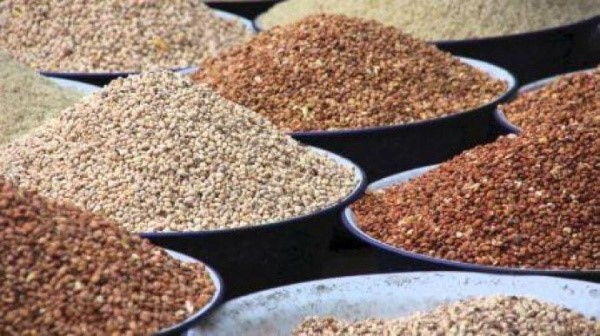
Similarly, the BCEAO notes that food prices in the WAEMU went up 12.1% in April, and 12.4% in March this year. In this segment, the increase was lowest in Togo, compared to its neighbors Burkina Faso (+43.4%), Mali (+20.4%), and Niger (+11.8%).
The report attributes the spike to "the surge in global prices of food imported by the Union, in connection with the Russian-Ukrainian crisis, since the two countries provide about 30% of the global supply of wheat."
Accommodation
The higher accommodation costs for their part were also attributed to an increase in prices of solid and liquid fuels (+1.3% and +16.2%). These include diesel, primarily, but also wood and charcoal to a lesser extent.
The increase in the price of cooking gas was particularly significant in Benin (+26.8%), Mali (+17.5%), and Togo (+16.4%), amid soaring global prices.
As for firewood, Togo is the most impacted, with its cost flaring up 20.0%. After Togo come Niger (+10.5%) and Senegal (+4.1%). This situation is attributed to the higher cost of transporting wood to major urban centers.
Finally, the underlying inflation rate (calculated by excluding the most volatile prices) came out at 5.0% in April 2022, up from 4.5% in March 2022 across the whole WAEMU.
“Pressure on food prices explains 62.3% of the increase in underlying inflation," the BCEAO said, highlighting that the rise in the prices of certain foodstuffs concerns oils (+17.1%), dried vegetables (+18.1%), flour (+17.9%) and meat (+8.6%).
Due to this economic situation, marked by a high cost of living, WAEMU governments, Togo’s especially, have been taking steps to curb pressure on consumers.
Ayi Renaud Dossavi
Togo: Elisabeth Pali-Tchalla calls for greater investment in the shea sector to empower women
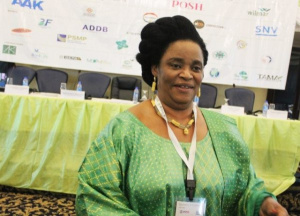
Organized by the Global Shea Alliance, the Shea Conference 2022 took place in Lomé on June 6-8, 2022. The theme picked for this year was “Growing the future: strengthening resilience and restoration.”
During the event, Elisabeth Pali-Tchalla, who oversees the shea industry in Togo, highlighted the importance of supporting the sector to empower women in the country.
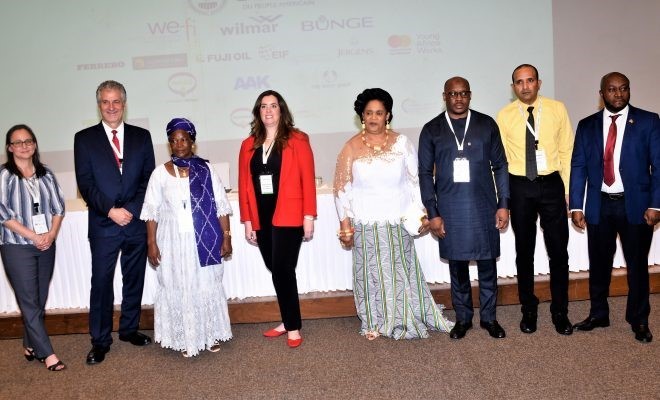
“Looking at the field results, I can logically say that investing in shea butter helps empower women economically, especially in rural areas, and enables them to get out of poverty,” Pali-Tchalla said.
"I am glad that Togo and its development partners understand this approach so well. The holding of this shea conference in our country, for the first time, as we recover from Covid, gives us hope and helps us to revive the sector after the turmoil caused by the pandemic,” she added.
The 3-day meeting was a hybrid event with in-person and virtual attendance. It was opened by the US ambassador to Togo, Elisabeth Fitzsimmons, whose country backed the event.
Local and foreign actors who attended the conference discussed the shea sector’s sustainability, related practices, and food quality standards, as well as cosmetics.
Strengthening resilience
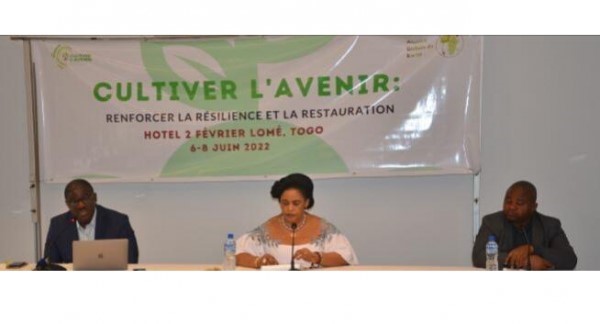
The main topics covered included the state of the shea industry–a sector that employs many women, and how to introduce new demand trends, tap opportunities, and overcome trade barriers.
The conference aimed to strengthen the sector, by consolidating and financing existing strategies.
“We have set up a shea tree restoration fund, and with this fund, we aim to plant 10 million trees over the next 10 years. It’s been in existence for a long time, but now we want to give it a boost,” said the President of the Global Shea Alliance, Simbala Syll.
Elisabeth-Pali-Tchalla is, in addition to the Chairman of the Inclusive Federation of Togo’s Shea Industry, also the CEO of Société Togolaise du Karité (Togolese Company of Shea).
Togo is the seventh-largest producer of shea worldwide.
Togo and Israel want to improve their cooperation, at the economic level especially
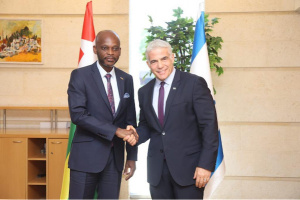
After more than 60 years of diplomatic relations, Togo and Israel have decided to actualize their cooperation. This is one of the major outcomes of the recent visit of the Togolese Minister of foreign affairs, Robert Dussey, to the Hebrew State.
The actualization aims to “better match cooperation to the current context and to the strategic options of the two States,” especially “at the economic level.” Thus, new agreements should be signed by both parties.
Among others, the two partners plan a joint economic forum to bolster their economic ties. The event, whose outlines are yet to be defined, will enable industrial companies from Israel to join the Industrial Platform of Adétikopé (PIA), sources close to the matter said.
Togo, it should be noted, is also working on its relationship with Morocco, notably on a no-visa agreement deal and an economic forum as well.
ICANN to help Togo improve its expertise in domain names

The Internet Corporation for Assigned Names and Numbers (ICANN) will provide Togo and nine other African countries hands-on training to help their country code top-level (ccTLD) registries compete in the domain industry.
Besides Togo, the other nine registries are from Niger, Benin, the Democratic Republic of Congo, Comoros, Madagascar, Angola, Liberia, Zimbabwe, and Gambia. As part of the pilot phase of the project, the ccTLDs will “leverage the expertise of ICANN and the partner organizations that have a common goal, but cannot achieve it alone,” reads a statement issued on June 7, 2022.
“The 10 ccTLD registries will receive specialized training led by industry experts, through a combination of online courses, hands-on workshops, and webinars,” ICANN added in the statement.
The registries are in charge of updating the main database of domain names needed to browse online. ICANN’s training will cover topics ranging from “best practices in domain name system security and registry governance, to business plan writing and marketing, to Internationalized Domain Names and Universal Acceptance.”
For this project, the ICANN and its partners –the International Telecommunication Union-Development Sector (ITU-D), Africa Top Level Domains Organization (AfTLD), Network Startup Resource Center (NSRC), and Association française pour le nommage Internet en coopération (AFNIC)- issued a pledge to the Partner2Connect Digital Coalition.
One of the ICANN's missions is to ensure a secure, stable and unified global Internet. Founded in 1998, the organization coordinates the unique identifiers that allow computers to recognize each other worldwide.
Togolose citizens will soon be able to visit Morocco without a visa
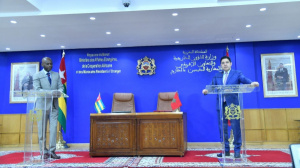
Soon, Togolese citizens will be able to travel to Morocco without a visa. This was revealed by the country’s minister of foreign affairs, Robert Dussey, during a meeting with his Moroccan counterpart, Nasser Bourita, on the sidelines of the first Ministerial Meeting of the Atlantic African States on June 7, 2022. A deal should be signed to this end soon.
"Togolese holding an ordinary passport will be able to travel to Morocco without a visa as soon as the agreement is signed in a few weeks," Dussey declared.
"The upcoming signing of a visa waiver agreement, in favor of Togolese holders of ordinary passports, reflects the quality of human relations between the two countries," said Minister Bourita.
Morocco, it should be recalled, has been trying to expand its footprint in West Africa, across several investment sectors like banking and insurance for some years now.
Togo: Diaspora census extended to the end of this month

Initially scheduled to end on June 7, 2022, the census of the Togolese Diaspora has been extended to June 30. This was this Tuesday by Safiou Radji who heads the project.
The extension, she said, will allow more Togolese living outside their country to get registered.
The census should provide the Togolese public administration with accurate and reliable data, especially on the number of compatriots living outside the country and their places of residence. It is part of a vast program aimed at strengthening ties–economic and social–between Togo and its Diaspora.
Over the past few years, the Togolese government has been pulling efforts to get more members of this Diaspora to contribute to its 2020-2025 roadmap. Last year, it launched in this framework a desk specifically dedicated to the Diaspora: the Diaspora Desk
Esaïe Edoh
Togolese government disburses CFA500 million to pre-finance fertilizer purchase for struggling farmers
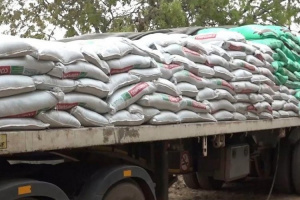
In Togo, vulnerable farmers will receive CFA500 million worth of NPK 15-15 and Urea fertilizer from the ANSAT throughout the 2022-2023 agricultural campaign. The State-run agency started distributing the product last weekend in the Tchamba prefecture (Central region).
The fertilizer was obtained from the Central Supply and Management of Agricultural Inputs (CAGIA).
According to ANSAT’s boss, Ouro Koura Agadazi, the move comes as farmers struggle to get fertilizer, though the government has reduced its price to CFA18,000 with subsidies.
Lomé hopes that the support will help restart all agricultural sectors, improve food security and achieve food sovereignty, amidst surging inflation spurred by the Ukraine-Russia war.
Farmers who will benefit from the project can repay in kind the value of fertilizer they obtained, credible sources note.
This season, the government has spent over CFA17 billion on fertilizer subsidies to help farmers. The subsidized 50 kg bag is sold at 18,000 CFA francs. Without subsidy, it would normally go for 31,000 CFA francs, the government said.
Esaïe Edoh
BCEAO gets a new governor, another Ivorian
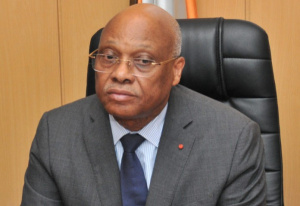
The Central Bank of West African States (BCEAO) has a new governor. His name is Jean-Claude Kassi Brou and he’s Ivorian. The Bank’s new boss was appointed last Saturday, June 4, during its latest extraordinary summit which was attended by the presidents of WAEMU states, including Togo’s leader, Faure Gnassingbé.
Before his appointment, Brou was the chairman of the ECOWAS Commission. A former Ivorian minister of mines and industry, he will effectively take over the BCEAO on July 4, 2022.
It should be emphasized, however, that Jean-Claude Kassi Brou has worked at the institution he will now lead for eight years. Among others, the economist was the Director of International Relations (in charge of economic integration policies in the WAEMU), and the Director of the Department of Economic Studies and Currency.
Brou, 69, is quite experienced when it comes to the West and Central African macroeconomic landscape, as evidenced by his work as Resident Representative for the World Bank in Chad and the IMF in Senegal. He also served as a consultant on public enterprise reform and private sector development to the former government of the Democratic Republic of Congo.
The BCEAO handles the currency of all eight French-speaking West African countries. In the first year of the Covid-19 pandemic, the Bank issued a battery of measures to make it easier for the WAEMU States, and businesses, to secure the financing they needed.
The predecessor of Jean-Claude Kassi Brou as the BCEAO’s governor was also Ivorian, Tiémoko Meyliet Koné, who was recently appointed Vice President of Côte d'Ivoire.