
Togo First
BCEAO Keeps Key Interest Rate at 3.5% Amid Rising Inflation
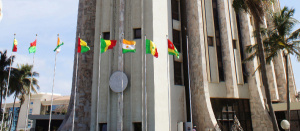
At its third monetary policy meeting of 2024 on September 11, the Central Bank of West African States (BCEAO) decided to keep its main interest rate at 3.5%. The interest rate for the marginal lending window also remains unchanged at 5.50%.
This decision comes as inflation keeps rising in the region. It reached 4.1% in Q2 2024, up from 2.9% in the previous quarter. The increase is linked to several factors, including a less favorable agricultural campaign for 2023/2024, supply issues due to insecurity in some regional countries (especially in the Sahel), and rising costs for imported food and energy.
Despite the rising inflation, the BCEAO remains optimistic, projecting a stabilization of inflation at 3.7% for the entire year, similar to 2023. A return to the target range of 1% to 3% is expected in 2025, depending on a more favorable agricultural campaign and a decrease in international food prices.
On the economic front, the BCEAO noted strong growth in the region, with real GDP increasing by 5.3% in the second quarter of 2024. Annual growth is projected to reach 5.9%, driven by improved trade and increased external resources.
In Togo, increases in food prices were the main driver of inflation in July, although there was a slight decrease compared to June.
Togo: Government Paid CFA70 Billion to Public Workers in Q1 2024, up 7.25% YoY

The Togolese government paid civil servants CFA70.17 billion in Q1 2024, against CFA65 billion in Q1 2023 (+7.25%). The ministry of finance recently disclosed the figure in its "Report on the Execution of the State Budget, Fiscal Year 2024 End of March".
According to the document, the number of workers paid over the quarter reviewed increased slightly, year-on-year. The payments include salaries, allowances, bonuses, family benefits, employer contributions, and other staff-related expenses.
For the whole of 2024, the government anticipates that it will pay CFA321.71 billion to public workers. These include civil servants, military personnel, and municipal employees.
Esaïe Edoh
Togo: Ministry of Technical Equips 50 Youths with Entrepreneurial Skills

The Ministry of Technical Education and Vocational Training in Togo launched an entrepreneurship training program for 50 talented young people this week. The training is part of the 3rd edition of the Technical Education and Vocational Training (ETFP) week, which took place last February.
The program was initiated on September 10 in Lomé by Minister Issac Tchiakpé. It aims to equip these young entrepreneurs with the skills to analyze the market, draw strong business models, and devise effective marketing strategies to attract consumers. The participants are winners of a talent and innovation competition organized during ETFP week.
Minister Tchiakpé claimed this training will help its beneficiaries more confident and provide them with the necessary skills to start their own businesses. The program is funded by the National Apprenticeship, Training and Professional Development Fund (NATPDF).
Togo: Substance Use Dominated by Alcohol and Cannabis (Report)

In Togo, alcohol is the most consumed substance, followed by cannabis, according to a recent report from the West African Epidemiology Network on Drug Use (WENDU). The report shows that alcohol accounts for 43% of substance use cases, while cannabis makes up 26%, and medical opioids represent 19%. This study is based on seizure data from 11 West African countries.
The report highlights that most users are young adults, aged between 20 and 39, with their first exposure to drugs occurring between ages 11 and 19. Outpatient treatment is the most common form of intervention, making up 64% of services, often initiated by family or professionals.
There are notable gender differences in substance use. Alcohol is the main substance for nearly 68% of women seeking treatment, compared to 39% of men. In contrast, about 39% of men seeking treatment are using cannabis, while only 13.47% of women are affected.
In 2023, the Togolese government seized over nine tonnes (9,252 kg) of cannabis, which is about 9% of total drug seizures in the region. Across ECOWAS, a total of 83,734 kg of drugs were seized across 11 countries, with Senegal reporting the highest at 15,905 kg, followed by Benin and Ivory Coast.
On the cocaine front, Togo seized very little cocaine last year, just 670 g. Its neighbor, Benin, meanwhile, seized 19.01 kg.
Commenting on the issue of substance abuse, ECOWAS recommends developing a regional policy on cannabis that considers cultural, economic, and social factors. The organization also urges countries to update their legal frameworks for drug control and enhance international cooperation.
Ayi Renaud Dossavi
Togo Digital Awards Winners in Lagos for Immersion Trip
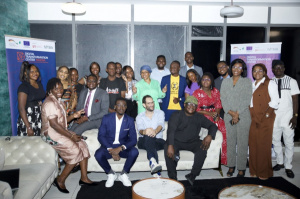
The Togolese winners from the third edition of the Togo Digital Awards (TDA) are in Lagos, for an immersion trip. Until September 14, they will visit various tech hubs in the Nigeria metropolis.
The trip, organized with the support of the Ministry of Digital Economy and Transformation (through the Togo Digital Agency) and German cooperation GIZ Togo, aims to enhance the skills and networks of these young digital entrepreneurs.
Lagos is known as Nigeria's "Silicon Valley". It hosts several key digital infrastructures including DTC Lagos, the Co-Creation Hub (CcHub), or the Google Developers Space for Africa and Microsoft. During their visit, the winners will meet entrepreneurs, incubators, and investors in the digital sector to learn from best practices in digital transformation.
According to Guillaume Djondo, commissioner in charge of organizing the Togo Digital Awards, the trip "allows us to discover Nigeria's digital transformation model and draw inspiration from it to strengthen the digitalization dynamic in Togo".
For Gilles Lasson, this year's winner in the "Coup de cœur" category, it is a unique opportunity to “observe Nigeria's tech ecosystem and learn lessons for Togolese innovation”.
The Togo Digital Awards celebrates excellence in the Togolese digital sector, recognizing the contributions of
entrepreneurs and innovators. This year, the third the event takes place, 25 winners were honored for their efforts to advance digital development in Togo.
Ayi Renaud Dossavi
ARISE IIP Among Finalists for 2024 Reuters Sustainability Awards

ARISE IIP, which develops industrial platforms in Africa, including the Plateforme Industrielle d'Adétikopé (PIA) in Togo, has been nominated for the "Business Transformation" category at the 2024 Reuters Sustainability Awards.
According to the organizers, ARISE IIP is positioned as a pioneer of sustainable industrial ecosystems in Africa, collaborating with governments, investors, local communities, and non-profit organizations to encourage sustainable social and economic transformation.
"This international recognition is a testament to our commitment to sustainability and our efforts to make a positive impact," ARISE IIP said in a release.
The company is competing with 11 other multinationals in this category.
The Sustainability Awards celebrate companies for their sustainable business practices. The awards ceremony will take place in London on October 1, 2024, showcasing the best initiatives.
Last year, ARISE IIP won the Reuters award for "Pioneer in Sustainable Development" for its Textile Trades Training Center in the Glo-Djigbé industrial zone in Benin.
Togo: Public Universities Collaborate to Enhance Student Experience
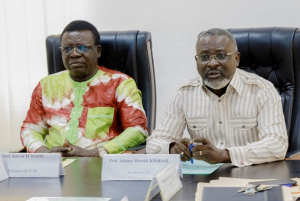
Undergraduates from the Universities of Lomé and Kara can transfer from one school to another, starting in the 2024-2025 academic year. The universities signed an agreement in this framework last month.
Under this arrangement, students enrolled in a bachelor's program can continue their studies at the partner university after completing all required courses for the first two semesters. However, the universities noted that the transfer is only possible within the first two years, or four semesters, of studies.
The move gives students more flexibility and a chance to broaden their academic experiences. It also lets them explore different teaching methods and environments within the national education system.
As part of the initiative, the two universities have aligned several aspects of their curricula. For example, they have standardized various syllabuses and course structures to ensure consistency. They have also agreed to collaborate more closely among faculty members.
Additionally, a shared software system will allow the schools to manage student enrollments and streamline administrative processes between the universities.
According to Professor Komlan Batawila, 1st Vice President of the University of Lomé, this initiative will ensure that diplomas from both institutions are recognized equally, aligning with the government’s goal of resource sharing among Togo's public universities.
Esaïe Edoh
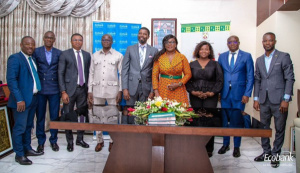
Togo: Ecobank and Ministry of Sports Partner to Support School and Mass Sports
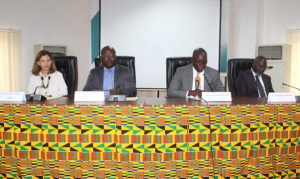
Lomé currently hosts a workshop on World Trade Organization (WTO) Trade Policy. The session was launched on September 9, by Kossivi Hounakey, Togo’s Minister Delegate of Trade. The training, also held last year, will last eight weeks.
This program targets officials from trade ministries in French-speaking Africa and covers key WTO principles. Topics will include multilateral trade agreements, services, market access, and dispute resolution. The goal is to boost trade and investment in member States and foster labor mobility and industrialization under the African Continental Free Trade Area (AfCFTA).
According to Kossivi Hounakey, the 8-week training is crucial for improving Africa's participation in international trade. The continent only contributes to 2% of global trade.
"To turn the tides, Africa must bolster integration, skills, as well as its productive and transformative capacities. That is why the WTO's technical support and capacity-building programs on the multilateral trading system are important for Africa," the official said.
As Togo aims to diversify its trade partnerships, the WTO Regional Course will help the country better position itself in the global trading system and benefit its trade sector.
Esaïe Edoh
Togo Hosts WTO Regional Course on Trade Policy for Second Year
Lomé currently hosts a workshop on World Trade Organization (WTO) Trade Policy. The session was launched on September 9, by Kossivi Hounakey, Togo’s Minister Delegate of Trade. The training, also held last year, will last eight weeks.
This program targets officials from trade ministries in French-speaking Africa and covers key WTO principles. Topics will include multilateral trade agreements, services, market access, and dispute resolution. The goal is to boost trade and investment in member States and foster labor mobility and industrialization under the African Continental Free Trade Area (AfCFTA).
According to Kossivi Hounakey, the 8-week training is crucial for improving Africa's participation in international trade. The continent only contributes to 2% of global trade.
"To turn the tides, Africa must bolster integration, skills, as well as its productive and transformative capacities. That is why the WTO's technical support and capacity-building programs on the multilateral trading system are important for Africa," the official said.
As Togo aims to diversify its trade partnerships, the WTO Regional Course will help the country better position itself in the global trading system and benefit its trade sector.
Esaïe Edoh
Togolese and Chinese Chambers of Commerce Sign New MoU to Boost Bilateral Trade
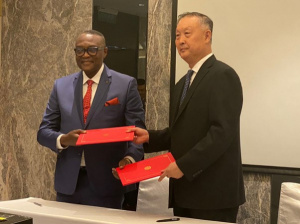
Togo’s Chamber of Commerce and Industry (CCI-Togo) and China’s Chamber of Commerce for Import and Export of Machinery and Electronics Products (CCCME) are now partners. The two chambers signed a memorandum of understanding (MoU) to this end last in Beijing, during the 9th China-Africa Summit.
The MoU aims to bolster relations between Togolese and Chinese businesses, amidst recovery from Covid-19.
Besides this agreement, the Togolese Ministry of Investment Promotion also signed another MoU with the China Africa Business Council, a Chinese organization dedicated to Africa's economic development. This partnership focuses primarily on investment financing consultancy and aims to boost trade between China and Togo.
During the FOCAC, Togolese authorities organized investment roundtables to enhance collaboration between the government and the private sector, while paving the way for lasting partnerships with Chinese companies.
Esaïe Edoh