
Togo First
Togo: 1,354 new businesses officially registered in March 2022

Throughout the past month, 1,354 new businesses were registered in Togo, according to data from the Center for Business Formalities (CFE). Compared to February 2022 when the CFE recorded 1,278 new registrations, March’s figure represents a 6% increase; and it is 4% more than in January (1,300).
Looking at the men to women ratio, men officially set up 978 businesses last month, while women registered 376. As for the foreigner to native ratio, the former registered 216 businesses, while the remaining 1,138 were created by Togolese citizens.
Quarterly, 3,932 businesses were created in January-March 2022. This is about 4% less than in 2021, over the same period (4,087).
Yearly, 13,770 businesses were registered at the CFE in 2021, up 9% year-on-year (12,500 in 2020).
Esaïe Edoh
Orabank Togo to launch a new product to protect importers and exporters against foreign exchange fluctuations
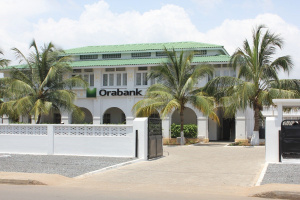
To shield economic operators (importers and exporters) against fluctuating foreign exchange rates, Orabank Togo recently launched a new product called “forward exchange”’(change à terme). The new offer, which the lender claims to be its “flagship product of the year”, will fix, in advance, the exchange rate in the framework of currency purchase.
In effect, it will be possible to fix the rate of the currency concerned against the local currency, for a specific future maturity or a series of possible partial payments. For the subsidiary of the pan-African banking group Oragroup, "it's the perfect momentum, especially with everything that's going on internationally" (Russian-Ukrainian conflict, editor's note).
“We have noticed that the dollar, which is our main payment currency abroad, besides the euro, has undergone a lot of fluctuations and in proportions still quite significant,” said the director of Orabank Togo’s trading room.
Available in two options, "dry" and "flexible", the new product will initially be operational for three foreign currencies: the US and Canadian dollars, and the British pound.
In Togo, Orabank regularly occupies the top positions in the banking landscape. The institution was crowned "Best Bank in Togo in 2021" by the financial magazine Global Finance, and claimed for its last fiscal year, a total balance sheet of 746 billion CFA francs (36 billion more than in 2020) and an outstanding loan portfolio valued at 381 billion, slightly down.
Octave A. Bruce
Togo: Leasing transactions leaped from CFA0.6B to CFA11B in 2019-2021

From 2019 to the end of 2021, the value of leasing transactions in Togo has soared from CFA600 million to CFA11 billion.
“(...) New leasing operations have swollen to 11 billion in 2021, compared to 0.6 billion in 2019, the year that Togo adopted the law on leasing,” said Sani Yaya, Togo's Minister of Economy and Finance, in his speech at the first National Credit Council (CNC) of this year, with financial actors in Togo.
The growth can be mostly associated with African Lease Togo (ALT), which started offering leasing and factoring services in the country early in 2021.
Leasing is a type of financial operation that enables the financing of equipment with no prior contribution. For people who do not want to take a loan from the bank, it is a very practical alternative.
ALT values its portfolio of operations at around CFA10 billion. According to the ministry of economy and finance, the firm, leasing activities make up more than 90% of this portfolio.
Before the Covid outbreak, in 2019, the Togolese subsidiary of African Lease Group estimated that Togo’s leasing market was worth CFA116 billion, referring to data attributed to the Directorate of Transport of Togo.
Ayi Renaud Dossavi
Togo: In 2021, private banks loaned CFA1,425 billion to the private sector, up 9% y/y
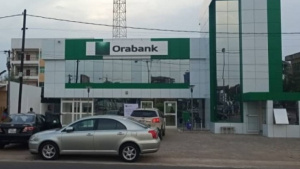
Last week, during the National Credit Council (CNC), Togo’s minister of finance and economy, Sani Yaya, affirmed that bank lending in the country “strongly increased” in 2021.
Throughout the past year, Yaya said, banks loaned CFA1,425 billion to the economy, up 9% year-on-year, despite the Covid-19 pandemic and its economic consequences. It is a “five-year breaking record,” with most of the funds going to the private sector, the official added.
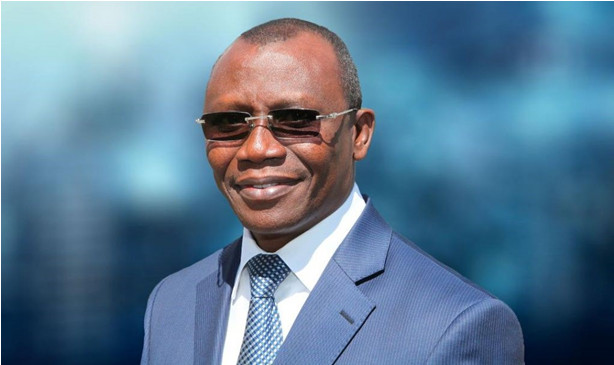
While he lauded Togolese banks’ contribution to the national economy, Yaya nevertheless asked them to lower their lending rates. Talking about their average interest rate in 2021, which was 7.6%, i.e. 0.5 percentage points higher than the sub-regional average (7.2%), the minister of economy and finance urged them to make loans more accessible, both for the good of their clients and the economy.
It should be highlighted that Togo is currently trying to contain inflation marked by the rise in prices of several consumer products, in particular, more recently energy (at the pump fuel prices). At the moment, however, it is not clear how this situation affects banking activities and the solicitation of banks by their customers.
Ayi Renaud Dossavi
Lomé to host a major conference on terrorism and political transition in the Sahel and West Africa next April 21
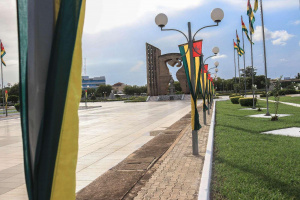
Lomé will host, on 21st April, the conference on political transitions and the fight against terrorism in the Sahel and West African regions. According to the Togolese ministry of affairs which made the announcement, the event will take place at Hôtel 2 Février’s international conference center.
The meeting, which is backed by the UN, was announced last February. It will focus on development in the Sahel region and West African countries and means to tackle challenges such as the rise of violent extremism and terrorism, as well as political instability in the region. Participants will also reflect on strategies and ways to help contain the spread of the terrorist threat.
Togo: Banks need to deal with five main challenges to boost lending in the country, CNC says
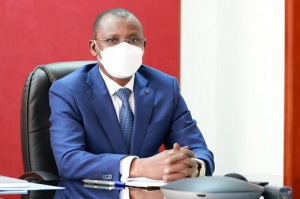
Banks in Togo must deal with five major issues for lending to increase in the country. At least, according to the National Credit Council (CNC), which met on March 31, 2022.
The first challenge, the council said on that day, is that banks should review the cost of credit downwards. "The average lending rate of banks was 7.6% in 2021, after 7.7% in 2020. This rate is still high compared to the sub-regional average of 7.2%," said Minister Sani Yaya (photo), chairman of the CNC.
Next, the council emphasized the need to reduce the various fees and commissions on banking operations, after an analysis of banks' operations with customers, which shows that “more than a third of the income from customer jobs comes from commissions.”
The third challenge identified is to increase financing for agriculture and housing. Data from the CNC shows that new bank loans granted to the agriculture and housing sectors account for only 2% and 7% respectively of the total loans granted by banks in 2021.
The increase in financing also requires greater mobilization of resources by SMEs and control of bank credit risk.
Despite these challenges, the Council noted for the year 2021 "a strong increase in bank lending.” This increase, the CNC said, was mainly driven by loans to the private sector. Over the past year, the gross deterioration rate of the portfolio of banks, for its part, came to 12%, against 16% a year earlier, its lowest level since 2013.
Esaïe Edoh
Inflation: Prices should return to their pre-pandemic levels in 2022, Sani Yaya says
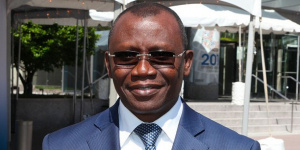
Talking about the current inflation in the local and international markets, Togo's Minister of Economy and Finance, Sani Yaya, said on March 31, 2022, that things should be back to normal this year. The official spoke during the first meeting of the National Credit Council (CNC),
"In 2022, the general price level should return to its pre-pandemic levels in most countries, given the economic policy measures taken to reverse the price curve and de-anchor inflation expectations," said the official.
The economist however noted that forecasts of an easing of the inflation rate are still uncertain, "due to the tensions observed on the international prices of certain imported food products." This is particularly true for wheat, imported from Ukraine and Russia. In this context, he reports, "the Togolese government continues to pay particular attention to price developments and plans to strengthen the measures already taken, to mitigate inflationary pressures.”
These measures include subsidizing fertilizer for the 2021-2022 agricultural season, combating smuggling, putting security stocks of cereals on the market -particularly corn, sorghum, millet, and rice, restricting exports of certain consumer products, and subsidizing the price of wheat.
The latest data available and communicated by the CNC puts the year-on-year inflation rate in the WAEMU region at 6% at the end of December 2021 and 4.5% in Togo.
Esaïe Edoh
The HAPLUCIA to hold a workshop in Kpalimé this week to discuss Togo’s new anti-corruption strategy
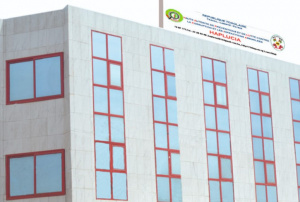
Last Thursday, Togo’s High Authority for the Prevention and Fight against Corruption and Related Offences (Haplucia) opened a workshop to technically validate the draft of the country's new strategy to fight corruption and related offenses.
The meeting gathered experts and other actors involved to review and improve the document which assesses, partially, corruption in Togo, before moving to the operational stage.
"After this provisional document is validated, the consultants and the strategic planning committee will meet in Kpalimé next week to work on operational planning, to adopt a five-year action plan with an implementation mechanism," said Wiyao Essohanam, head of Haplucia, during the workshop. "The last step will be the political and national validation," he added
Since May last year, Haplucia and its partners have embarked on a project to draw a national strategy to fight corruption. In this framework, they carried out a situational analysis for four months before making proposals. The current draft of the strategy will serve as a basis for, eventually, providing the government with a five-year action plan in its fight against corruption.
Bolloré sells logistics and transport assets in Africa to MSC, for $5.7 billion
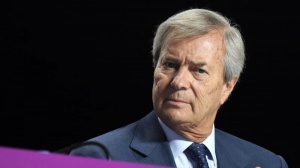
French group Bolloré will sell its logistics operations in Africa to the Mediterranean Shipping Company (MSC) for € 5.7 billion (nearly 3,740 billion FCFA). The amount was disclosed last Thursday in a statement released by Bolloré Transport & Logistics, at the end of negotiations between the two big companies (negotiations started last year).
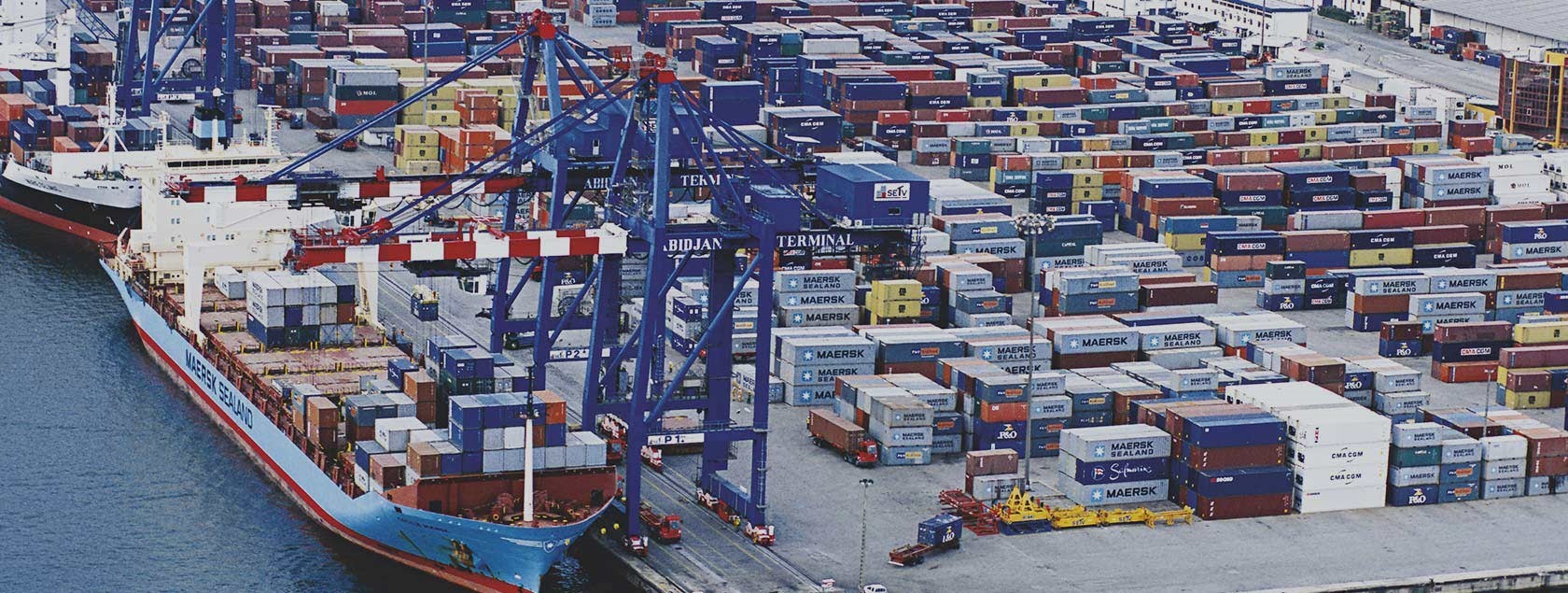
"At the end of the exclusive negotiations announced on December 20, 2021 and following the favorable opinions issued by each of the employee representative bodies consulted, the Bolloré Group has signed today (March 31, 2022, editor's note), the contract providing for the sale to the MSC Group of 100% of Bolloré Africa Logistics, which includes all the transport and logistics activities of the Bolloré Group in Africa, based on an enterprise value, net of minority interests, of € 5.7 billion," said Bolloré Transport & Logistics.
Pending "regulatory approvals" and the approval of "the relevant competition authorities," the sale is expected to take effect by the end of the first quarter of 2023.
While Bolloré will remain in Africa, particularly in the communication, publishing, and especially media sectors -through Canal+ notably- this sale is significant. The region, indeed, strongly contributed to the French group’s prosperity. Also, the withdrawal happens in a context where Vincent Bolloré, who founded the group, and other French actors are being more criticized in Africa.
For MSC, the deal will help it strengthen its position in the African port sector, and in Togo especially. Once Togolese authorities greenlight the sale, the Italian-Swiss giant will get its hands on Togo Terminal, which is currently managed by the Togolese subsidiary of Bolloré Africa Logistics (BAL).
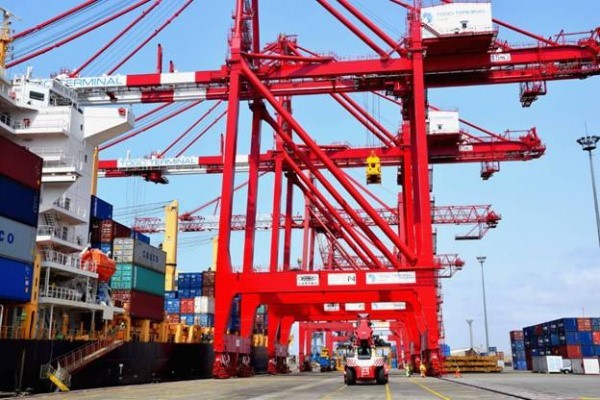
The port of Lomé, however, is already MSC’s regional hub and an important relay for its container traffic in this part of the world, especially amidst Covid-induced tensions in the global logistics industry.
Indeed, in Lomé, the Italian-Swiss company already manages the Lomé Container Terminal (LCT), through its subsidiary Terminal Investment Limited (TIL), which has boosted port activities, positioning it among the best container traffic on the continent.
According to its strategic plan, MSC plans to invest up to $500 million in the Port of Lome by 2030.
Ayi Renaud Dossavi
World Bank approves $450M financing to boost resilience in the north of Togo and three of its neighbors
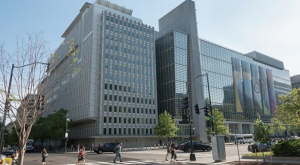
The World Bank will disburse $450 million (about CFAF 265 billion) to build resilience in the northern regions of Togo and three other Gulf of Guinea countries (Benin, Côte d'Ivoire, and Ghana). The funding was approved by the Board of Executive Directors of the Washington-based institution last Thursday. It is part of the Social Cohesion Project for the northern regions of the Gulf of Guinea.
This project aims to tackle issues emerging in these regions close to the Sahel–notably terrorism-induced insecurity, conflicts spurred by climate change, and poverty which has been aggravated by the Covid-19 pandemic.
Moreover, it (the project, ed. note) aims to "anticipate and prevent" the spread of conflicts from the Sahel, reduce vulnerability to climate change, strengthen local institutions, boost economic opportunities and public confidence, as the Bank indicated in a press release.
"This project responds to the complexity of the crisis by supporting integrated and coordinated solutions at the regional level, security efforts, climate and disaster risk management, and the capacity-building of the state," explained Coralie Gevers, World Bank Operations Director for Togo, Benin, Côte d'Ivoire, and Guinea.
The initiative, we learn, follows requests from the governments of these four countries, which are increasingly facing security challenges in this vast cross-border strip, near the Sahel; hence an integrated and regional approach.
The Social Cohesion Project for the northern regions of the Gulf of Guinea is a five-year project that should impact 4,600 communities located in the northern border areas of the Gulf of Guinea. Its implementation will strongly depend on local institutions, which will play an important role in guiding the multi-faceted investments that will be made for the benefit of the population.
It should be emphasized that on the same day the financing was approved, the World Bank approved $100 million (CFAF 59 billion) in financing for Togo to support its inclusive growth program and its fiscal reforms.
Ayi Renaud Dossavi