Togo commits to completing household living conditions survey by end-2026
 Tuesday, 10 March 2026 10:48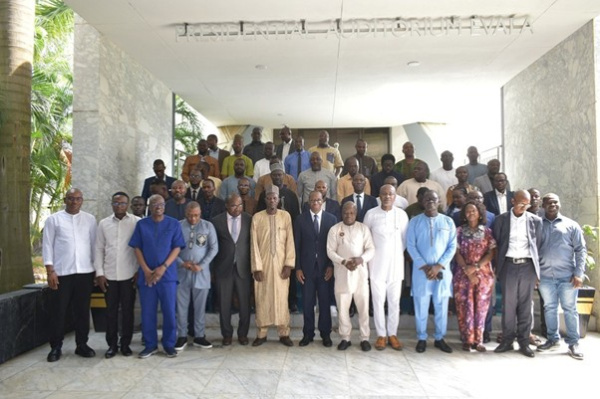
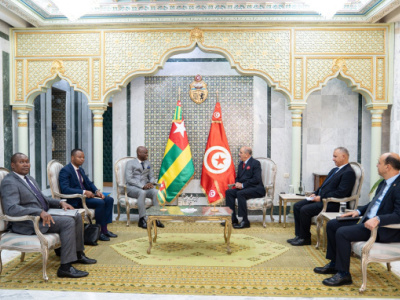
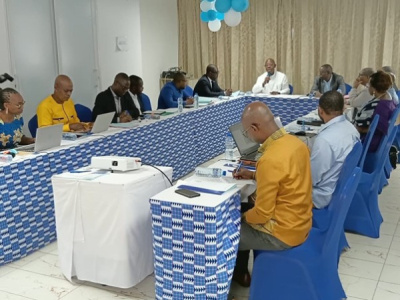
(Togo First) - Togo’s capital is currently hosting the regional mid-term workshop for the third edition of the Harmonized Survey on Household Living Conditions (EHCVM 2025/26). Scheduled to run until March 13, 2026, the event is organized by the WAEMU (UEMOA) Commission as part of the Harmonizing and Improving Statistics in West and Central Africa Project (HISWACA/PHASAOC), a World Bank-funded initiative spanning 2023-2028.
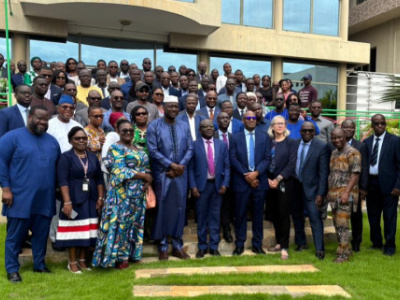
The technical sessions have brought together approximately sixty statistical experts from the eight WAEMU member states, alongside representatives from Guinea, AFRISTAT, the Central Bank of West African States (BCEAO), the West African Development Bank (BOAD), and the World Bank. The workshop focuses on three core components: household data, community infrastructure, and price tracking.
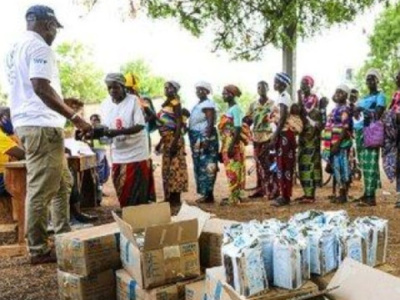
The survey’s methodology is designed to provide a comprehensive snapshot of socio-economic conditions in the region through a multifaceted technical framework. The household component involves direct interviews with families regarding income, expenditure, and access to education, healthcare, and employment to generate poverty metrics. In addition, the community component evaluates local infrastructure and basic services to contextualize household data within their actual environment. Finally, the price component ensures a systematic recording of consumer goods prices in local markets, allowing for seasonal adjustments and ensuring that results remain comparable across countries and over time.
Togo Targets Year-End Deadline Despite Delays
Togo is currently the only WAEMU member state yet to complete its first wave of data collection, following internal delays that postponed the initial rollout. However, the government has signaled a firm commitment to catching up with its regional peers.
"Measures have been taken to ensure that by the end of 2026, our country will have conducted both waves of the EHCVM3," stated Béguédouwé Paneto, Secretary-General of the Ministry of Planning and Cooperation. He emphasized that this timeline would ensure Togo fully complies with the WAEMU Decision establishing the survey framework. In practical terms, the training of mapping agents and enumerators from the National Institute of Statistics and Economic and Demographic Studies (INSEED) commenced in Lomé on February 9, 2026. Under the WAEMU directive issued in October 2025, both collection waves must be finalized before December 2026.
Data at the Heart of Public Policy
The EHCVM-3 is tasked with updating the socio-economic indicators essential for guiding public policy. The most recent available data from the EHCVM-2 (2021-2022) showed significant progress, as monetary poverty fell to 43.8%, down from 45.5% in 2018 and 55.1% in 2015, a decline of over 11 percentage points in six years. Multidimensional poverty also improved, dropping from 37.1% to 28.9%, though regional disparities remained, with the Savanes region recording the highest poverty incidence.
This third edition will serve as a vital tool for measuring the impact of reforms implemented since 2022. Furthermore, the collected data will be instrumental in monitoring the Sustainable Development Goals (SDGs) and evaluating the final outcomes of the Togo 2025 Government Roadmap.
Ayi Renaud Dossavi