At Lomé scientific forum, CAMES pushes for coordinated African research policy
 Tuesday, 10 March 2026 17:07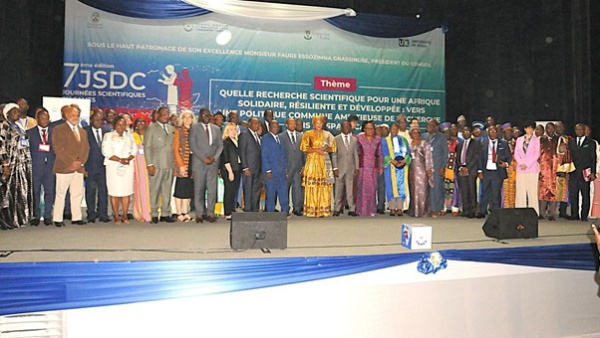
(Togo First) - Togo is hosting the seventh edition of the Scientific Days of the African and Malagasy Council for Higher Education (CAMES), which opened on March 9 in Lomé.
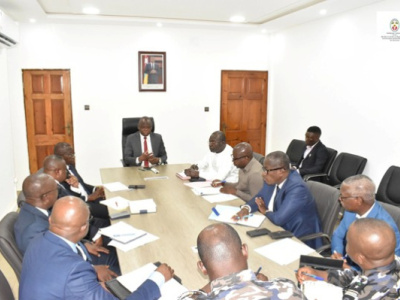
The biennial gathering brought together ministers, researchers, experts and university leaders from more than twenty countries to discuss ways to deepen scientific cooperation and build a shared research policy across French-speaking Africa.
The discussions come as global technological competition intensifies and Africa remains reliant on innovations developed abroad. For Togo’s Minister of National Education, Mama Omourou, the stakes extend beyond academia.
“Scientific dependence has become a suicidal strategic vulnerability, and scientific sovereignty is now a matter of the highest strategic importance,” he told delegates at the opening session.
Participants called for research to focus more directly on key industries, including agro-industry, energy and local raw-material processing. Several experts said stronger scientific integration could help support member states’ industrialisation strategies.
CAMES Secretary-General Professor Souleymane Konaté reaffirmed the organisation’s commitment to harmonising higher education and research policies across the region. He presented the CAMES Strategic Development Plan 2024-2028, aimed at strengthening research evaluation systems and promoting academic integration to support sustainable development.
Funding also featured prominently in the discussions. Despite accounting for more than 18% of the world’s population, Africa produces only about 2% of global scientific output, with the CAMES zone estimated to contribute just 1%.
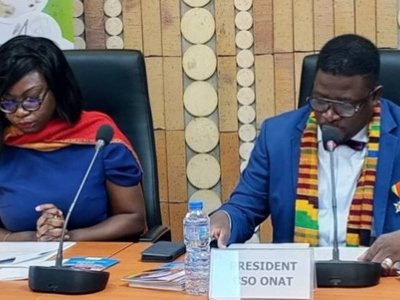
Dr. Diaka Sidibé, President of the CAMES Council of Ministers, said closing that gap will require regional funding mechanisms and the pooling of research infrastructure across member states.
The conference runs through March 12 and is expected to conclude with the adoption of guidelines aimed at strengthening African scientific cooperation.
Ayi Renaud Dossavi