Côte d’Ivoire, Benin, Togo Agree on Regional Gas Coordination Mechanism
 Monday, 08 December 2025 16:05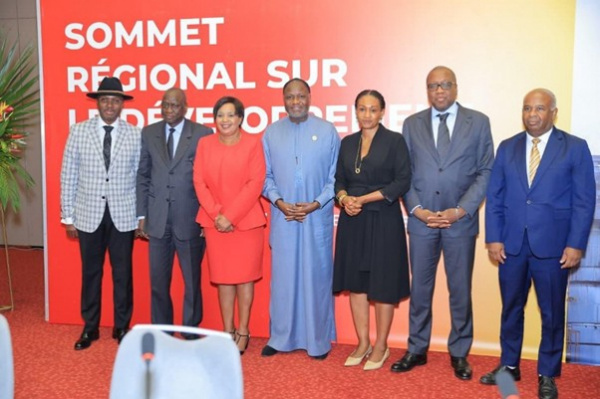
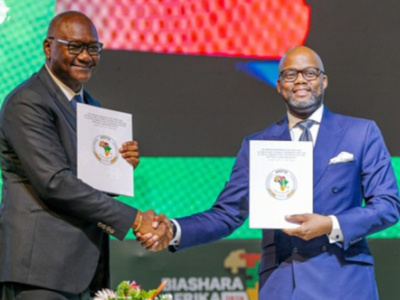
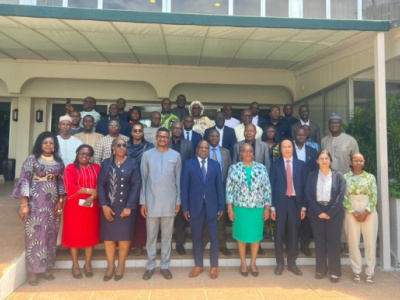
(Togo First) - Côte d’Ivoire, Benin and Togo agreed on Sunday to establish a joint framework to strengthen regional access to natural gas, following a meeting of the three countries’ energy ministers in Abidjan. The initiative, backed by the World Bank Group, aims to address shared supply challenges as the three coastal states rely increasingly on gas-fired power generation.
Togo, which was represented at the meeting by Energy Minister Robert Koffi Eklo, faces rising pressure on its power system because production costs remain high when liquid fuels are used. Eklo said deeper cooperation with regional partners is essential and noted that the eventual creation of a regional gas institution similar to the West African Power Pool (WAPP) could be considered.
World Bank Vice President for West and Central Africa Ousmane Diagana said coordinated action among the three states would help consolidate demand and improve their negotiating position with international gas suppliers. The World Bank, including IFC and MIGA, indicated its readiness to support the project.
The final declaration identifies three priorities: pooling imports of liquefied natural gas (LNG), creating a technical working group within one month to design an operating model, and developing a bankable project structure with World Bank assistance. The objective is to reduce supply costs, improve energy security and support a transition toward lower-emission fuels.
Côte d’Ivoire Strengthens Its Position as a Potential Regional Gas Hub
The initiative comes as Côte d’Ivoire accelerates its gas development and builds on significant proven reserves. The Baleine field, which contains about 3.3 trillion cubic feet of gas and entered production in 2023, already supplies the country’s power plants. A new exploration phase is under way, with the Deepwater Skyros vessel drilling three additional wells in the Civette, Calao and Caracal areas.
A separate bidirectional pipeline project linking Côte d’Ivoire and Ghana is still under consideration. Both governments have reaffirmed their intention to move forward with a gas interconnection to serve power generation, fertilizer production and industry. Over time, this link could also reinforce supply to the West African Gas Pipeline, which serves Ghana, Togo and Benin.
A second regional gas hub could help reduce long-standing dependence on Nigerian gas and diversify supply sources for Togo and Benin.
Ayi Renaud Dossavi