WANEP-Togo reports security gains in 2025 despite rising incidents
 Friday, 06 February 2026 12:28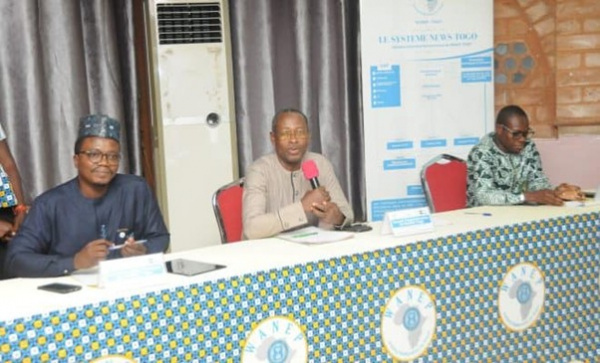
(Togo First) - WANEP-Togo, the Togolese chapter of the West African Network for Peacebuilding, released its 2025 annual security report in Lomé, Togo, on Feb. 4, 2026. Drawing on data from the National Early Warning System (NEWS-Togo), the report offers a nuanced assessment of the country’s security situation. It portrays a security environment combining measurable progress with persistent vulnerabilities.
A total of 629 incidents were recorded nationwide in 2025, a 40% increase from 2024. The rise was driven mainly by an increase in incidents linked to democracy and governance, which accounted for 424 cases. The report also recorded 108 cases of gender-based violence and 52 incidents related to environmental and health risks.
WANEP-Togo said electoral periods and certain sociopolitical events contributed to spikes in incidents, particularly between February and July.
At the same time, the report highlights several encouraging developments. The number of deaths linked to security incidents fell by more than 36%, dropping from 245 in 2024 to 157 in 2025.
Incidents related to organized crime and violent extremism also declined by nearly half, from 87 to 45 cases. WANEP-Togo attributed this improvement to capacity-building efforts for the defence and security forces, improved reporting mechanisms, and greater involvement of local communities.
Significant challenges remain. The north of the country continues to face threats from armed incursions, while sexual violence, disappearances, road accidents, and local conflicts persist, affecting human security. The Savanes region, particularly the prefectures of Kpendjal and Kpendjal-Ouest, is identified as a high-risk area amid ongoing security pressures.
As the jihadist threat persists along the northern border, public authorities have launched several initiatives and projects with the support of technical and financial partners to strengthen community resilience. As the response extends beyond military action, the government has introduced a “social shield” worth several billion CFA francs.
This strategy includes the Emergency Programme for Strengthening Resilience in the Savanes Region (PURS) and the Social Cohesion of the Northern Regions of the Gulf of Guinea (COSO) project, funded by the World Bank. Total funding has been increased to $83 million, or about 50 billion CFA francs, following an extension dedicated to refugee management. The project aims to reduce social divisions in vulnerable areas.
WANEP-Togo is the national branch of the West Africa Network for Peacebuilding, a civil society organisation dedicated to conflict prevention and resolution in the sub-region. It works to promote political and social stability through early warning mechanisms, mediation, and capacity-building for local actors and women.
Ayi Renaud Dossavi