
Togo First
Dangote Oil Refinery: Togolese President Faure Gnassingbé attends the inauguration ceremony
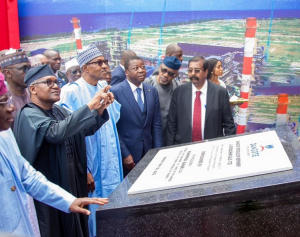
The President of Togo, Faure Gnassingbé, attended yesterday, May 22, the inauguration of the Dangote Oil Refinery in Nigeria. He was there with several other African leaders.
The refinery, which is named after its owner, Aliko Dangote, is located in the Lekki free zone, near Lagos. Spanning 2,635 ha, the refinery can process 650,000 barrels per day. It will produce gasoline, diesel, jet fuel, and various other refined petroleum products.
The Dangote oil refinery is expected to help Nigeria resolve its oil export-import paradox. Indeed, the country relies heavily on refined oil imports though it is an oil-exporting nation.
The ambitious project underscores the significant contribution of the private sector in addressing energy and industrial challenges in West Africa and Africa as a whole.
The Dangote Oil Refinery vast complex also includes a fertilizer plant with a capacity of 3 million tons per year. At full capacity, the refinery should achieve Africa’s highest crude refining capacity, thus enabling Nigeria to meet its needs and have reserves for export.
Ayi Renaud Dossavi
WAEMU securities: Togo raises CFA31 billion
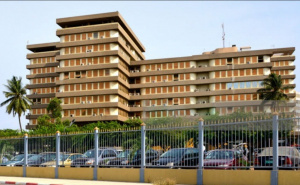
Togo successfully carried out its second issue on the regional money market last Friday, May 19. The country’s treasury raised CFA31 billion from the WAEMU investors, by simultaneously issuing fungible bonds and bills.
The operation’s report states that Lomé raised CFA20 billion via the bills which mature over 182 days, and the remaining CFA11 billion was raised via the bonds, which mature over 3 and 5 years.
Overall, however, while it retained CFA31 billion, the treasury mobilized CFA56 billion from 31 investors, thus representing a coverage rate of 189.43%.
This is Togo’s fourth consecutive success on the regional stock market this year. Since January, the country has secured CFA233 billion in this market, which is almost half of its annual target–CFA574 billion.
Esaïe Edoh
Togo improves ranking in UNDP’s Human Development Index
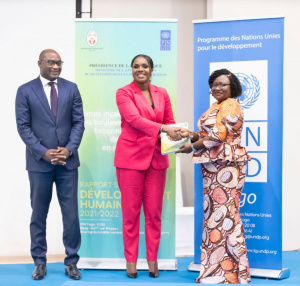
Togo ranked 162nd in the 2022 Human Development Index (HDI), with a score of 0.539. According to the UNDP, which published the report, this is “significant progress” compared to the year before when the country ranked 167th (with a score of 0.515).
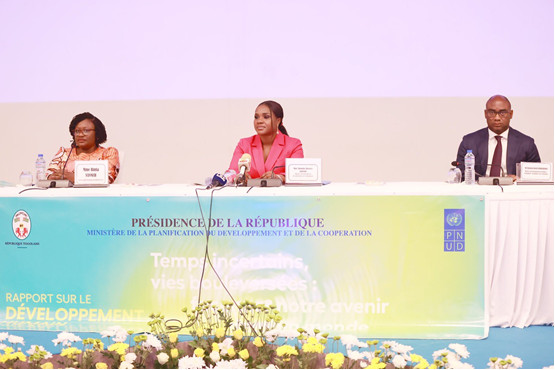
The progress was disclosed last Friday, by the UN agency which launched the report that day. The launching ceremony was presided over by Sandra Ablamba Johnson, Minister Secretary General of the Togolese Presidency. It was attended by several officials, including the Minister of Education, Dodzi Kokoroko, and Binta Sanneh, the UNDP’s new resident representative.
"According to this 2021/2022 report, Togo is making significant progress. Indeed, our country's human development index has increased from 0.515 in 2019/2022 to 0.539 in 2021/2022. As a result, Togo ranked 162nd out of 191 countries in the 2021/2022 report, against 167th in the 2019/2020 report, a five rank jump," said Johnson. She then urged partners to help the country achieve its goals, regarding social inclusion and human development.
National gross income goes up
Over the period reviewed, Togo’s gross national income rose, from $1,602 in 2019/2020 to $2,167 in 2021/2022. Similarly, life expectancy at birth improved slightly, from 61 years in 2019/2020 to 61.6 years in 2021/2022.
Inequalities
Despite these improvements, the UNDP noted a high level of inequality, especially gender-related, in Togo. Indeed, last year, the development index for women in the country stood at 0.497, compared to 0.586 for men.
The HDI, let’s recall, assesses a country’s level of development based not only on economic data but also on the living standards of its inhabitants. While Togo’s HDI score is still below the global average, it has been progressing steadily in recent years. The figure rose from 0.484 in 2014 to 0.487 in 2015, then to 0.503 in 2017, 0.513 in 2018, 0.515 in 2019/2020, and finally to 0.539 in 2021/2022.
The 2022 HDI report authors also highlighted the current global environment which is marked by the war in Ukraine, its impacts on people and economies, climate and ecologic disasters, as well as the Covid pandemic which the world is recovering from.
Check out the report here.
Ayi Renaud Dossavi
Togo: the number of foreigners who registered a business in 2022 surpassed that of 2021
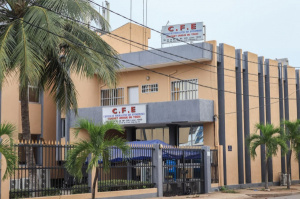
More foreigners are starting up businesses in Togo. Last year, out of the 13,835 new businesses registered at the Business Formality Center (CFE in French), 2,176 were created by foreigners. The number is 1.6% higher than that recorded in 2021.
Among foreigners who officially set up a business in Togo in 2022, Nigeriens (from Niger) came first with 402 businesses. Right behind were Beninese with 357 businesses. In the third position were Nigerians (285 businesses).
Indians and Burkinabes followed, with 155 and 143 businesses. The top 10 was closed by Malians, Lebanese, Ivoirians, Ghanaians, and French, who are the only Europeans in the ranking.
According to forecasts, the upward dynamic for business creation should continue, spurred by the government’s reforms (dematerialization of procedures, reduction of time, costs, and formalities among others) to improve the business climate.
Esaïe Edoh
Faure Gnassingbé distinguishes Ade Ayeyemi, former CEO of Ecobank Group
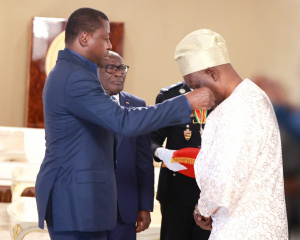
The recently-retired CEO of Ecobank Transnational Incorporated (ETI), Ade Ayeyemi, was made Commander of the Order of Mono on May 18 in Lomé by Faure Essozimna Gnassingbé, Togo’s President. This is the most prestigious distinction of Togolese honorary orders. According to the Togolese authorities, it recognizes the Nigerian’s professional achievements.
Le Directeur général sortant de Ecobank Transnational Incorporated (ETI) @EcobankGroupe, Monsieur Ade Ayeyemi, a été élevé ce 18 mai 2023 au rang de Commandeur de l’Ordre du Mono par le chef de l'État, @FEGnassingbe. pic.twitter.com/fHdTd8d4fY
— Présidence Togolaise/Togolese Presidency (@PresidenceTg) May 18, 2023
When the ceremony ended, the former ETI executive thanked President Gnassingbé and lauded his development strategy, as well as Togo’s stability and hospitality.
"I am very impressed with the focus of Togo's leaders on the development of the country and the well-being of the people, as well as the stability in Togo. Peace and stability are the engines of development. I am grateful to the President for this honor. I had a great time in Togo. The Togolese are warm and welcoming," Ayeyemi said. The ETI, a group present in 33 African countries, is headquartered in Lomé.
An accounting and financial management graduate, Ade Ayeyemi held many key positions at ETI before becoming CEO in 2015. He occupied the seat for nearly 8 years and was replaced by Jeremy Awori, a Kenyan.
Ayi Renaud Dossavi
Togo: Lomé to host a youth entrepreneurship forum next month
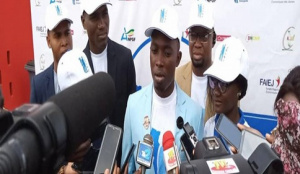
Lomé will host a forum for young entrepreneurs next month, on the 16 and 17. The forum, called National Congress for the Young Entrepreneurs of Togo (CoNJET) was announced on May 17 during a press conference organized by the Association of United Young Entrepreneurs for an Emergent Togo (JEUNE-Togo in French). The event will be held at the Palais des Congrès de Lomé.
The CoNJET is expected to gather 3,000 young entrepreneurs, including 1,000 from the interior of the country. The theme picked for the forum is “Ecosystem, performance, and Perspectives for youth entrepreneurship in Togo”.
"We have conducted a field analysis on the accompanying measures and their deployment. And we noticed that several young entrepreneurs close their businesses within three years of existence. This was the subject of our survey and it is after all that we have identified here and there that we decided to organize a national conference," said Well-off Boukpezi, president of Jeune-Togo.
He added that the upcoming forum aims to promote policies that make young entrepreneurs more resilient, amid current global crises–health and security. Emphasis will be put on sustainable, shared, and durable growth.
This is the first time the forum will be held. It will include roundtables, training workshops, talks with technical and financial partners and young entrepreneurs, workshops, and works revolving around entrepreneurship, ways to reinvent support to the youth, dependence on public and private financing, and the perspective of government action on the MSMEs.
For more information, visit: www.jeunetogo.org.
Ayi Renaud Dossavi
Ecobank and Japan Motors launch a car financing offer in Togo
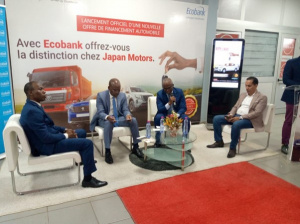
Ecobank and Japan Motors launched a car financing offer on 17 May 2023 in Lomé. The offer, aimed at employees and SMEs, should make it easier for the latter to get loans to buy cars.
These car loans range from 8 million FCFA to 54 million FCFA, repayable over up to four years, at a rate of 7.5% to 8% depending on the customer's profile and the repayment period.
According to the agreement, the Pan-African Bank will make the credit available to the client and Japan Motors will provide the vehicles.
"This credit is initiated to revitalize the Togolese car fleet and offer the population the possibility of acquiring quality machines that guarantee their safety," stressed Yvon Kpativor, General Manager of Japan Motors.
Esaïe Edoh
Togo: Keras transfers its stake in the Nayega project to the government
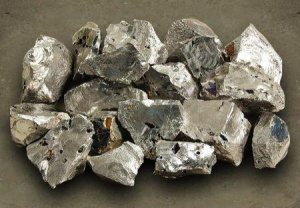
Togo wants to double the contribution of mining to its GDP by 2025. To do so the country relies on the recovery of its phosphate industry, and its manganese-rich subsoil.
Togo’s government inked with the British firm Keras Resources a deal that will double the mining sector’s share in the country's GDP by 2025. Under the deal, Keras gave up on its operating permit for the manganese-rich Nayéga project. Now, the permit is exclusively held by Société Togolaise de Manganèse, a 100%-State owned company established in April 2023.
According to the agreement, Keras will transfer “its intellectual knowledge on Nayéga to the State, and provide consulting and brokerage services to accelerate Nayéga’s development”. The British firm, which ran the project for many years, will also start selling its participation in SGM, the subsidiary through which it held a stake in the project.
In return for the participation, the State will pay Keras $1.7 million in cash on July 17, 2023. Additionally, Keras will receive 1.5% of the gross revenues from the mine for its consulting services for three years, and 6% of the gross revenues from the asset for its brokerage services for three years or 900,000 tons of enriched manganese ore produced and sold from the mine.
“This Agreement is a reflection of the constructive relationship we have with the State and sets a very clear picture of how the asset will now be developed to the benefit all stakeholders and reward Keras for its investment to date,” said Graham Stacey, CEO of Keras. He added that the company would begin a transition to focus on its Northern American projects.
A good formula for Togo?
The deal aligns with the objectives that Togo announced when it created the Société Togolaise de Manganèse in April. Indeed, the company was tasked with enhancing the country's manganese reserves in a bid to “double the mining sector’s contribution to GDP by 2025”.
The first hurdle the public company will have to overcome is to realize Nayéga’s potential. A project which hosts mineral resources of 13.97 million tonnes grading 12.4% manganese and ore reserves of 8.48 million tonnes grading 14% manganese.
According to Agence Ecofin, production at Nayéga was initially expected to start in 2020 at a nominal monthly capacity of 6,500 tons of marketable ore but these milestones were not met, and works were suspended to allow the State to negotiate better terms for the project.
Though the new deal could be the right formula to restart the project, only the following developments will tell more about the plans of Sociéte Togolaise de Manganèse. Will the firm stand by Keras’ initial plans and when will production begin?
While these questions remain unanswered, the manganese sector continues to face new challenges, with increased needs in steelmaking and growing demand for electric batteries. The ore, according to a report that Ecofin Pro released earlier this year, is “an additional asset for the African continent in the industry of tomorrow.” Africa, let’s emphasize, produces more than 60% of the world’s manganese output, and several African countries, such as Togo, South Africa, Gabon, Ghana, Ivory Coast, and Botswana, are positioning themselves to take advantage of new opportunities in this market.
Louis-Nino Kansoun
Ecobank shareholders approve dividend payout and plan to raise $500mln
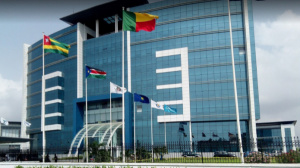
Shareholders of Ecobank Transnational Incorporated (ETI) approved a dividend payout of $28 million, equivalent to 0.11 cents per share. This decision took place at their annual general meeting held on May 17, in Lomé, Togo.
The challenging economic environment, characterized by escalating inflation and high-interest rates, has led to a 32.25% reduction in dividends compared to the previous year. At first, the Board’s proposal to reduce the dividends was met with discontent among some minor shareholders. They viewed the move as too prudent and not generous enough. Compared to 2021 when ETI paid 0.16 cents per share, the amount recently approved by the shareholders is 32.5% lower.
To justify the reduction, Alain Nkountchou, who heads ETI’s board of directors, referenced the recommendations of the West African Union’s Banking Commission. The latter, indeed, urged financial and lending institutions that operate in the Union to exercise caution with dividend distribution for 2022. "It's not a matter of you against us. We are on the same side. We should be proud that we have picked up and maintained the distribution policy for the second year in a row," Nkountchou said.
Despite the reduction in dividends, the financial performance of ETI in 2022 remained strong. “In 2022, Ecobank posted robust financial results, navigating high-interest rates, inflation, and the restructuring of Ghana's debt,” indicated Jeremy Awori, Managing Director of Ecobank.
Last year, ETI posted a net income of $222 million, down from $295 million in 2021. However, “pre-tax income rose by 13% to $540 million, and net banking income rose by 6% to $1.9 billion. The total balance sheet, for its part, grew by 5% to stand at $29.004 billion,” Nkountchou detailed.
"The financial strength of the group is also satisfactory, with an adequate level of equity and sufficient capital. As of December 31, 2022, our projected Tier 1 capital ratio stood at 10.2%, down slightly from 10.7% in December 2021," The Cameroonian added. Return on tangible equity stood at 21.1% in 2022, the highest that Ecobank has recorded in the last decade.
Awori, who became MD on 1 March 2023, attributed Ecobank's performance in 2022 to the bank's diverse business model, its expertise in the digital domain, its innovative strategies, and its operational effectiveness.
After the ordinary general meeting, an extraordinary meeting was held, during which shareholders approved a plan for raising $500 million in 2023, to boost ETI's sustainable resources.
Fiacre E. Kakpo
Translated in English by Schadrac Akinocho
Togo lands a $250M deal with the IsDB to bolster the energy, agriculture, and private sector
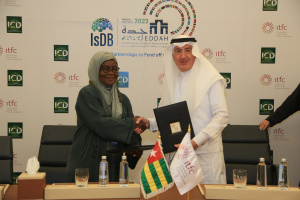
Through its International Islamic Trade Finance Corporation (ITFC), the Islamic Development Bank (ISDB) will provide Togo with $250 million to lay the groundwork for expanding its partnership into three new key sectors: energy, agriculture, and private sector development.
The related agreement was signed last Friday, May 12th, on the third day of the IsDB’s annual meetings in Jeddah.
According to the ITFC, which disclosed the information, the deal will give Togo the means to develop its private sector and stimulate economic growth. It will also help the country have a more efficient and secure trading system for imports and exports.
Besides extending their partnership to more sectors, the two partners also inked an agreement for a 3-year program for capacity-building in trade facilitation, promoting export value chains, Islamic finance, e-commerce, and private sector development.
Last Friday, the ITFC signed a dozen major agreements with several countries, including Algeria and Cameroon, as well as regional organizations such as Afreximbank, and the ECOWAS Bank for Investment and Development (EBID). Afreximbank will receive $325 million in financing for its UKAPFA program, and EBID will get $27 million to meet the needs of its private sector clients. The ITFC also concluded a memorandum of understanding with OCP Africa to set up an innovative financing mechanism for African farmers.
Ayi Renaud Dossavi