Togo Hosts Talks on Smart Transport System for Lomé-Ouaga-Niamey Corridor
 Wednesday, 10 December 2025 12:22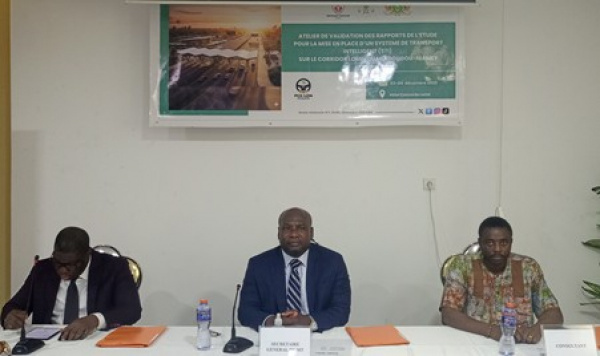
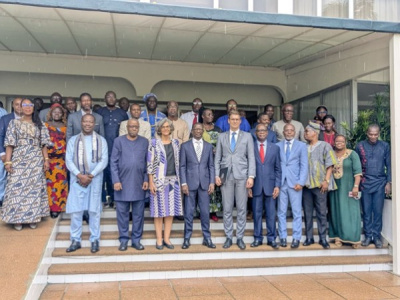
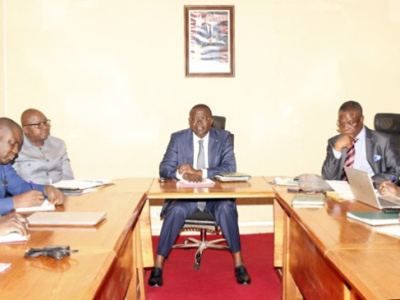
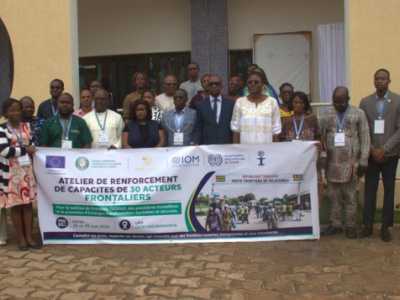
(Togo First) - Togo, Burkina Faso and Niger plan to roll out an intelligent transport system (ITS) to streamline the movement of goods and people along the Lomé-Ouagadougou-Niamey corridor. A two-day technical workshop opened in Lomé on Wednesday to review and approve study reports for the project.
The workshop, held Dec. 3-4, is organized by the Economic Corridor Project Coordination Unit (PCE-LON) with World Bank funding. The technical study, carried out by an international consultant for the three countries, sets out the ITS architecture, databases, cost estimates and tender documents.
According to documents reviewed, the system will integrate geolocation technology, interconnected information systems, real-time data collection and digital traffic-management tools. The project must also tackle ongoing security challenges along the corridor to ensure safer movement of goods and people.
Transport Ministry Secretary-General Dr. Michel Komlan Tindano said the ITS “is a key tool to ease transit, improve transparency and digitize procedures.”
The long-term objective is to reduce roadside delays and informal checks on this major trade route, improve information-sharing between agencies and smooth freight flows between Lomé, Cinkassé, Ouagadougou and Niamey.
The corridor is a primary logistics link for the hinterland of Burkina Faso and Niger. Nearly 90% of goods entering the region arrive by sea.
The ITS initiative is part of a national plan to consolidate the role of the Autonomous Port of Lomé as a regional logistics hub. It is also intended to support reforms to improve transport safety and lower logistics costs, a key factor for regional operators’ competitiveness.
Funded by the World Bank with $470 million for the entire corridor, including $120 million for Togo, the PCE-LON seeks to improve regional connectivity and socio-economic infrastructure along the route linking the three capitals.
After the two-day workshop, transport actors, government agencies and professional organizations were asked to submit recommendations to finalize the reports and prepare for the deployment phase. The next step will be rolling out the ITS along the corridor.
Ayi Renaud Dossavi