Togo's Median Age of 18 Poses Jobs Challenge as Population Grows
 Wednesday, 18 February 2026 07:28
(Togo First) - The United Nations has lowered its estimate of Togo’s population after fully incorporating data from the 2022 census. The nearly 12% adjustment reshapes several economic indicators, including GDP per capita, which has been revised upward by more than 14%.
With a population estimated at just over 8.13 million in 2023, Togo remains one of West Africa’s youngest countries. But new projections from the UN Population Division also point to a country that has been undergoing a gradual demographic transition for decades.
A Massive Youth Population
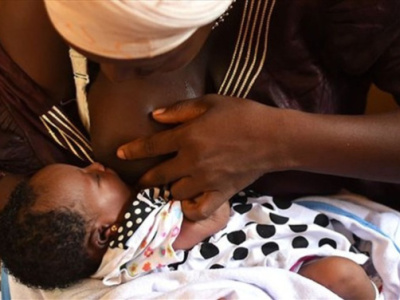
Togo’s median age is about 18, meaning half the population is younger than that. This demographic profile strongly shapes the country’s social and economic landscape.
Hundreds of thousands of young people enter the labor market each year. This trend poses a major challenge in terms of jobs, training and education infrastructure, but it also presents an opportunity. If this generation is successfully integrated into the economy, it could become a powerful driver of growth.
About 54% of the population is between 15 and 64 years old, the conventional working-age bracket. That share is expected to rise gradually in the coming years.
Togo is no longer the high-fertility country it was in the 1970s, when women had nearly seven children on average. In 2023, the fertility rate stood at just over four children per woman.
The decline reflects structural social changes, including urbanization, rising education levels, particularly among girls, and broader access to reproductive health services.
Fertility remains relatively high, however. The population continues to expand even as the pace of growth gradually slows.
Progress in Health
Demographic transition is not only about declining birth rates. It also reflects improvements in survival. Life expectancy at birth has risen from around 44 years in 1960 to more than 63 years today. Infant mortality has dropped sharply over the same period. These gains reflect expanded vaccination coverage, improved control of infectious diseases and generally better living conditions.
According to UN projections, Togo’s population will continue to grow in the coming decades. It could approach 9.5 million by around 2030 and rise further thereafter. Much of this expansion is driven by demographic momentum. A very young population implies a high number of births in the years ahead, even if fertility per woman declines.
The central challenge is therefore not only population size, but the country’s capacity to convert this demographic shift into sustained economic and social progress.
Fiacre E. Kakpo