Togo, Burkina Faso, Niger Plan Smart Transport System for Key Trade Route
 Wednesday, 03 December 2025 15:49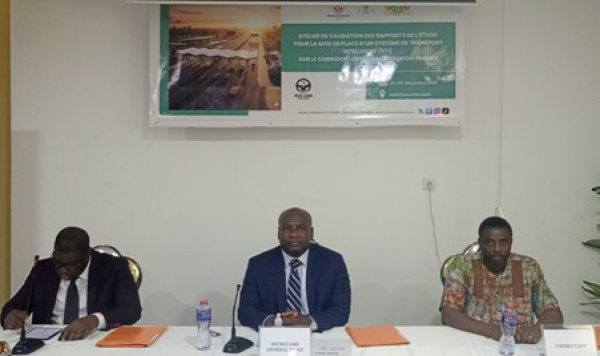
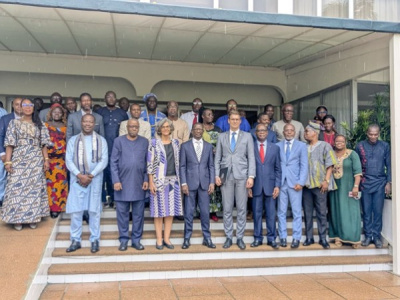
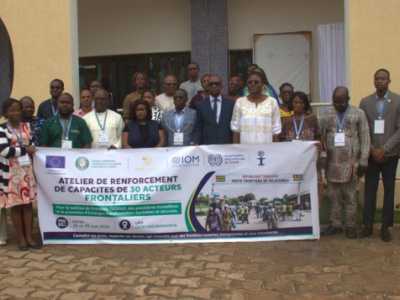
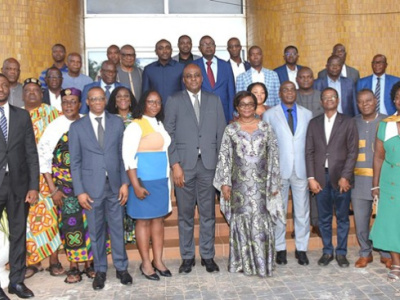
(Togo First) - Togo, Burkina Faso and Niger aim to develop an intelligent transport system to improve the flow of goods and people along the Lomé-Ouagadougou-Niamey corridor. A two-day technical workshop opened in Lomé on Wednesday to review and validate studies ahead of the project.
The workshop, organized by the Economic Corridor Project Coordination Unit (PCE-LON) and funded by the World Bank, runs until Thursday and focuses on reviewing reports from several preliminary studies.
A technical study conducted by an international consultant on behalf of the three countries sets out the technical architecture, databases, cost estimates and bidding documents needed to deploy the future intelligent transport system (ITS). According to documents reviewed, the system will rely on geolocation technologies, interconnected information systems, real-time data collection and digital traffic management tools. The project must also take persistent security challenges along the corridor into account to ensure safer movement of goods and people.
“This intelligent transport system is a key tool for promoting smoother transit, greater transparency in operations and more digital processes,” said Dr. Michel Komlan Tindano, Secretary General of the Ministry of Transport.
The aim is to reduce roadside harassment on this major trade route, cut repetitive checks, improve information-sharing between administrations and facilitate freight movement between Lomé, Cinkassé, Ouagadougou and Niamey.
The corridor is a major logistics artery for the landlocked economies of Burkina Faso and Niger, while nearly 90 percent of goods destined for the continent move by sea.
The ITS forms part of a national strategy to strengthen the role of the Autonomous Port of Lomé as a regional logistics hub. It also supports ongoing reforms to improve road safety and lower logistics costs, a key issue for regional competitiveness.
Funded by 470 million dollars from the World Bank for the entire corridor, including 120 million dollars for Togo, the PCE-LON project aims to improve regional connectivity and socio-economic infrastructure along the route linking the three capitals.
At the end of the workshop, transport actors, government agencies and industry groups were invited to make recommendations to finalize the reports and prepare for deployment. The next step will be moving to operational implementation of the ITS to strengthen the corridor.
Ayi Renaud Dossavi