Togo financial inclusion rate rises to 89.04% in 2024, ranks second in WAEMU
 Monday, 23 February 2026 13:14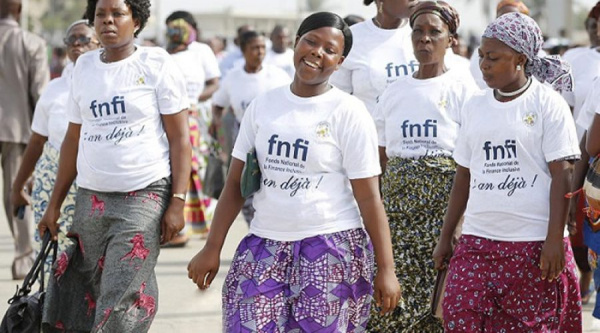
(Togo First) - Togo’s financial inclusion rate rose to 89.04% in 2024 from 87.7%, according to a government statement issued after a Cabinet meeting on Feb. 19, 2026.
The increase reflects progress under the National Financial Inclusion Strategy 2021 to 2025, adopted in December 2021 to expand access to formal financial services, particularly for vulnerable groups.
The latest figure keeps Togo ranked second in the West African Economic and Monetary Union, or WAEMU.
“The results are significant: in 2024, the financial inclusion rate increased from 87.7% to 89.04%, placing Togo second in WAEMU,” the government said.
Financial inclusion refers to individuals’ and businesses’ access to affordable financial products and services, including payments, savings, credit and insurance, delivered responsibly and sustainably.
The government attributed much of the progress to the National Inclusive Finance Fund, known as the FNFI, which plays a central role in the country’s inclusion efforts. As of end-October 2025, the fund had disbursed more than 1.9 million loans totaling 116.59 billion CFA francs, primarily targeting women, youth and informal sector workers.
Over the past five years, inclusion has also been supported by the expansion of microfinance, the growth of mobile money and the digitalization of financial services. The number of accounts at microfinance institutions and payment service providers has increased, extending access to financial services in rural areas.
The government also approved a new 2026 to 2030 strategy, the creation of a fintech innovation bureau and a dedicated project for youth. The objective is to consolidate recent gains and improve service quality.
R.E.D