Togo Steps Up Efforts to Implement Nagoya Protocol on Genetic Resources
 Thursday, 16 April 2026 11:02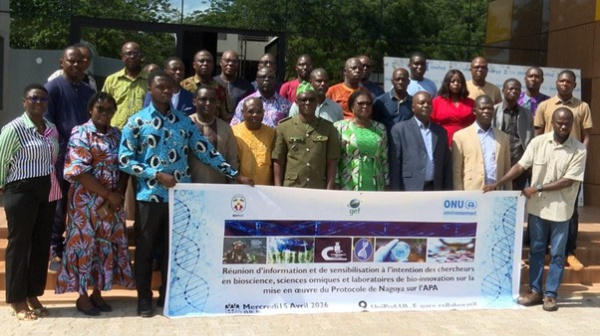
(Togo First) - Togo is increasing efforts to implement the Nagoya Protocol, the international framework governing access to genetic resources and related traditional knowledge.
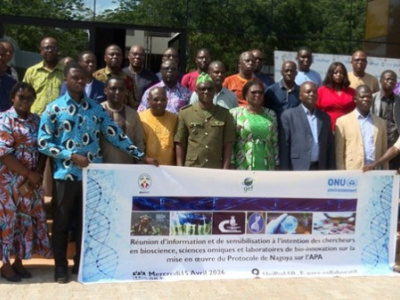
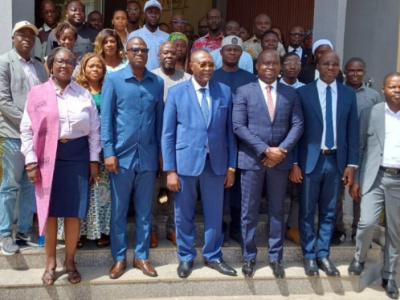
The Ministry of Environment held an awareness workshop in Lomé on Wednesday, with researchers, laboratories and bio-innovation stakeholders discussing rules on access to genetic resources and benefit-sharing.
Adopted in 2011 and ratified by Togo in 2016, the protocol requires that benefits from the use of genetic resources, including in pharmaceuticals and biotechnology, be shared fairly.
Authorities also highlighted the economic stakes. Genetic resources can generate value through research, extraction processes and the production of medicines and vaccines. Without proper oversight, the country risks losing revenue and becoming vulnerable to biopiracy.
“The protocol establishes control mechanisms to prevent what we call biopiracy. When a resource is taken, even though communities have spent years preserving it, if there is no system to ensure financial returns, that resource may eventually disappear,” said Lt. Col. Bonaventure Widiba, the national focal point for the Nagoya Protocol.
A decade after ratification, the framework remains incomplete. The lack of implementing legislation has limited economic benefits and slowed scientific partnerships. Authorities say laws to implement the protocol are being prepared.
“The absence of a legal framework not only affects researchers, including those in Togo, but also represents a missed opportunity for the economy,” said Lt. Col. Konzao Essodina, inspector general for the environment, forest resources and the coastline.
The government plans to introduce interim measures to support collaboration between laboratories and ensure compliance with benefit-sharing rules. The aim is to attract research investment while ensuring compensation for local communities.
Togo is also preparing its national biodiversity report, with a focus on the sustainable use of natural resources.
R.E.D.