In Lomé, telecom regulators weigh PPPs, financing models to close West Africa’s broadband gap
 Tuesday, 21 April 2026 18:54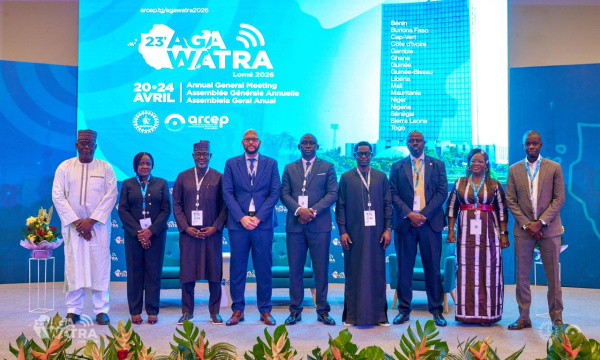
(Togo First) - Round tables were held in Lomé two days ahead of the formal opening of the 23rd Annual General Assembly of the West African Telecommunications Regulators Association (ARTAO), scheduled for Wednesday, April 22, 2026.
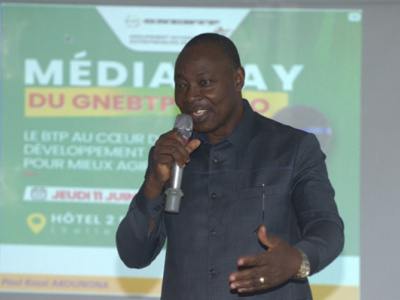
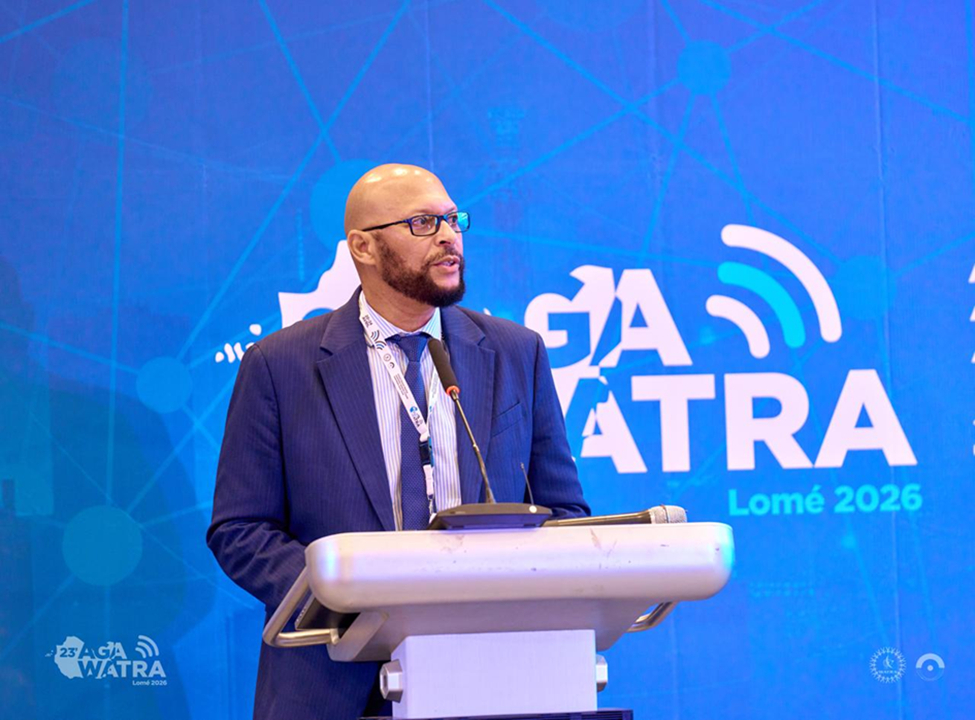
The sessions, hosted at Hôtel 2 Février, focused on strengthening public-private partnerships to finance broadband infrastructure and accelerate connectivity across Africa. ARCEP-Togo, the host regulator, was represented by its director general, Yaovi Galley.
Infrastructure deficit slows digital development
Broadband expansion in Africa remains constrained by limited financing for infrastructure. During a round table on models to accelerate deployment, panelists agreed that insufficient funding leads to infrastructure gaps, slowing digital development.
Only 29% of the population in sub-Saharan Africa has access to the internet, according to GSMA data (2023). Meanwhile, between 40% and 50% of rural areas lack reliable network coverage. This gap restricts access to information and limits the rollout of essential services such as e-education, telemedicine and digital financial services.
Deployment costs remain high. Laying fiber optic cable costs between $10,000 and $30,000 per kilometer, depending on terrain and population density. Additional investment is required for undersea cables, base stations and newer technologies such as 5G.
Persistent economic and geographic constraints
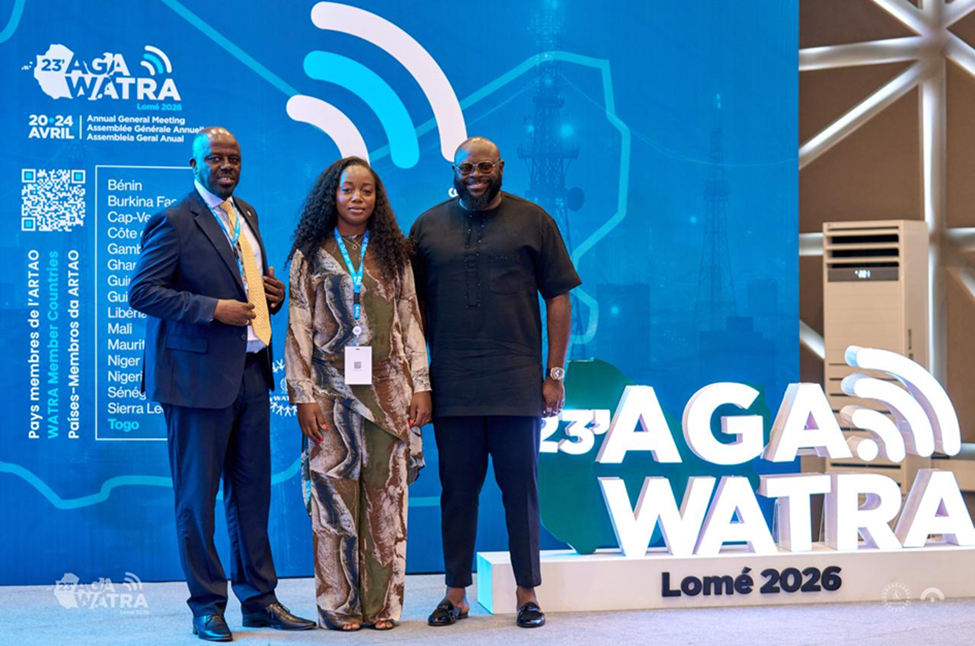
Operators face significant geographic disparities. Rural and remote areas, often commercially unattractive, offer uncertain returns, discouraging private investment.
Funding options include public financing through national budgets, targeted subsidies, sovereign funds and universal access funds to support non-commercial areas. The private sector contributes through direct investment, equity financing and infrastructure projects such as data centers, as well as through build-operate-transfer models and joint ventures.
Multilateral institutions — including the World Bank, the African Development Bank, the Agence française de développement and the International Finance Corporation — provide loans, guarantees and technical assistance.
New approaches are also emerging, including green telecoms, renewable energy solutions and community-based crowdfunding for high-impact projects.
Public-private partnerships seen as key lever
Participants identified a model combining public and private sector roles as the most effective. In this approach, the private sector drives investment, innovation and execution, while governments provide targeted support for non-viable areas, reduce investor risk and ensure a stable regulatory environment.
Public-private partnerships (PPPs) were highlighted as a key tool to share risks, lower costs and speed up deployment.
Participants also stressed the importance of infrastructure sharing and resource pooling, which can reduce costs and extend coverage, particularly in low-density areas.
Toward stronger regional coordination
At the regional level, participants called for closer coordination among West African states, particularly on undersea cable deployment and regulatory harmonization under bodies such as ARTAO.
The goal is to achieve universal connectivity by 2030 by mobilizing governments, private operators and development partners.
Participants recommended establishing harmonized, incentive-based regulatory frameworks, promoting financing models adapted to local conditions, expanding PPPs, strengthening training and research in telecommunications, and improving governance and transparency.
Regulators were seen as central to ensuring efficiency, inclusion and long-term sustainability.
S.A