RAINE project enters operational phase with “Mawuse” tunneling machine
 Monday, 27 April 2026 17:19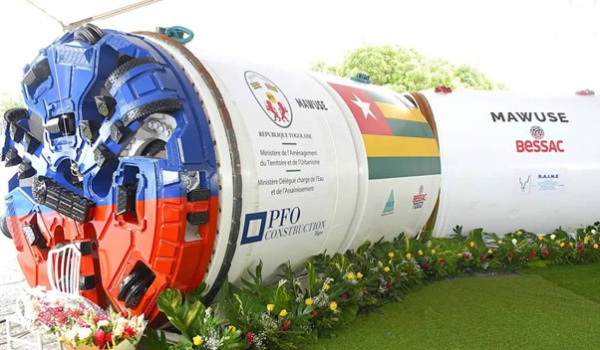
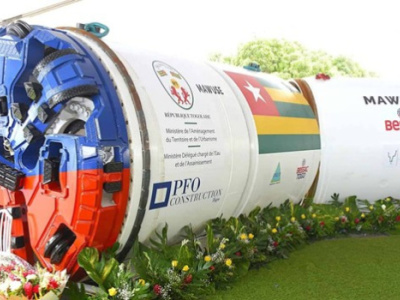
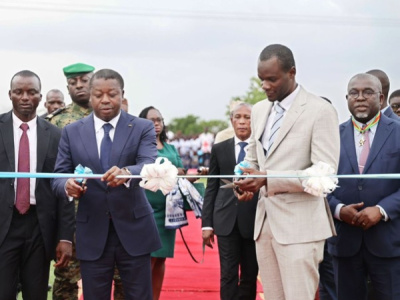
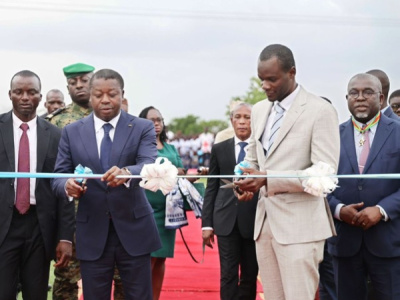
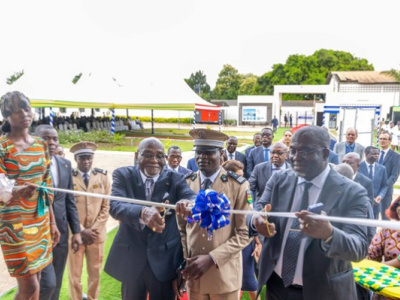
(Togo First) - Lomé gained a new tool in its fight against seasonal flooding last week. The Grand Lomé district unveiled a DN 2000 micro-tunneling machine, named "Mawuse," during a ceremony marking the official launch of the RAINE project, short for Réseau d'Assainissement par Intercepteurs pour la Non-inondation de nos Espaces.
The micro-tunneling machine is a remotely operated boring device designed to install underground pipes without disrupting surface traffic or activity. With a diameter of two meters, the equipment will be used to lay drainage networks intended to permanently drain rainwater in flood-prone areas.
The companies overseeing the project also highlighted local industrial benefits, citing job creation and technical skills transfer to Togolese workers.
Seasonal flooding in Greater Lomé regularly causes road damage, asset losses, business disruptions and public health risks. For households and businesses alike, these recurring floods generate significant direct and indirect costs.
The government is presenting RAINE as an investment in urban resilience. "The RAINE project aims to provide a lasting solution to recurring flooding using the advanced technique of micro-tunneling," said Zouréhatou Kassah-Traoré, governor of the Autonomous District of Greater Lomé.
A Major Project Running Through 2028
Launched in July 2025, the project is scheduled to run for 33 months, with a projected completion date of May 1, 2028.
For the authorities, the stakes go beyond drainage. "This major infrastructure project marks a significant step forward in transforming the stormwater management system," said Kodjo Adedze, minister of Territorial Planning and Urban Development.
Greater Lomé encompasses 13 municipalities spread across two prefectures, Golfe and Agoè-Nyivé, surrounding the city of Lomé, with a population of nearly 2.2 million, representing more than a quarter of Togo's total population. It is the country's most populous, most urbanized and most economically active metropolitan area.
In the long term, improved stormwater management is expected to protect infrastructure, reduce flood-related economic losses and boost the area's appeal.
R.E.D