Lomé Hosts ECOWAS Regional Event on Women’s Cross-Border Trade
 Friday, 19 June 2026 17:09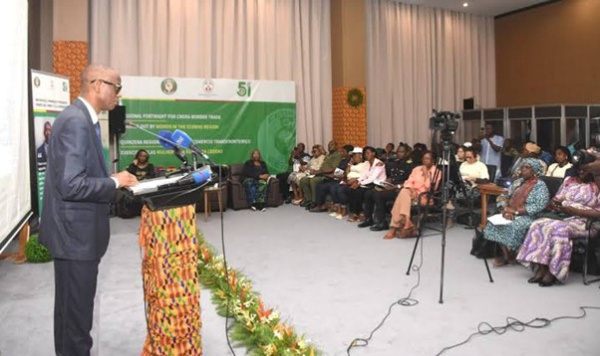
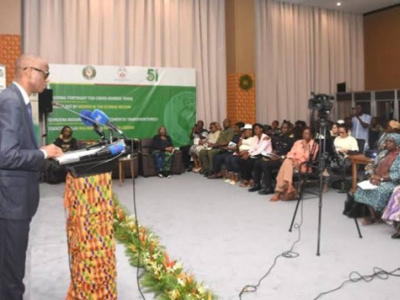
(Togo First) - Lomé has been hosting a two-week regional event on women’s small-scale cross-border trade in the ECOWAS region since Thursday, June 18. The gathering will continue through June 29.
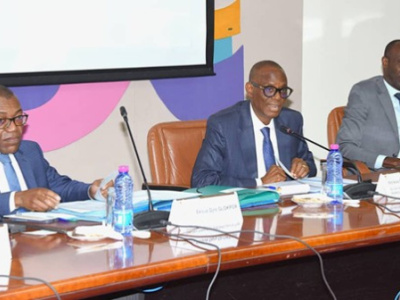
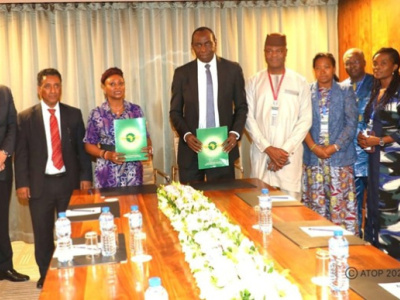
Organized by the ECOWAS Centre for Gender Development (CCDG), the event brings together women traders and entrepreneurs from several West African countries, along with representatives of financial institutions, regional organizations and policymakers from ECOWAS member states.
The gathering serves as a platform to review and share the outcomes of three previous information and awareness campaigns conducted along the Tema-Ouagadougou, Dakar-Banjul-Bissau and Abidjan-Lagos corridors. It also provides an opportunity to highlight progress made by ECOWAS in supporting women engaged in cross-border trade while addressing the challenges and priorities they continue to face.
Women as Drivers of Regional Integration
Through a trade fair and exhibition, ECOWAS aims to strengthen the role of women in regional integration and economic development.
“Women contribute significantly to the economic vitality and socio-economic development of the ECOWAS community,” said Badanam Patoki, Togo’s Minister of Economy and Strategic Foresight.
According to the minister, the event represents an important step toward promoting regional trade that is more inclusive, secure and supportive of women.
“The borders of our region must no longer be barriers but rather drivers of development, integration and shared prosperity,” he said.
Building on Progress and Encouraging Dialogue
More specifically, the event seeks to build on progress already achieved by consolidating data, gathering and analyzing feedback, and refining existing programs.
It also provides a forum for dialogue among member states, women’s organizations, financial institutions, customs authorities, security agencies, and technical and financial partners. Held at Palais des Congrès in Lomé, the gathering is expected to help shape an operational agenda for future initiatives linked to key regional projects.
The event will also raise awareness among stakeholders about the laws and regulations governing cross-border trade within the regional bloc. For ECOWAS, the regional gathering marks another step toward creating a regional market that is better integrated, more accessible and more supportive of women’s economic participation.
Esaïe Edoh