ISOC-Togo Hosts National Forum on Digital Sovereignty and AI Governance
 Friday, 19 June 2026 17:25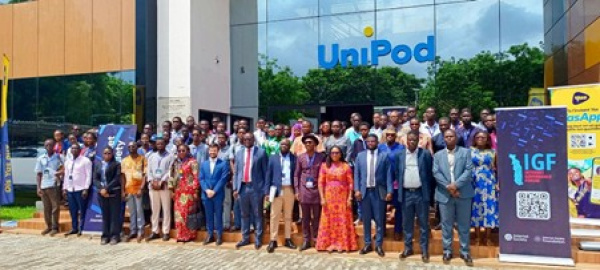
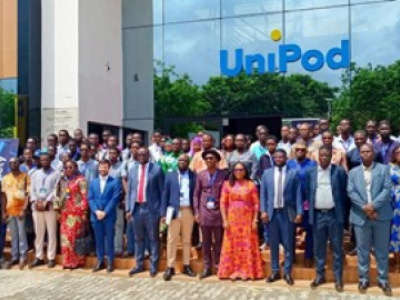
(Togo First) - The Togolese chapter of the Internet Society (ISOC-Togo) hosted the 12th National Internet Governance Forum (Togo IGF) on Friday at the UniPod of the University of Lomé.
The event was held under the theme: “Governing in the Era of Artificial Intelligence, Big Data and Geopolitical Dynamics: Challenges of Digital Sovereignty in Togo.”
The 2026 edition builds on the Tunis Agenda for the Information Society, adopted in 2005.
Ahead of the forum, two key events were organized: the Togolese School of Internet Governance (TogoSIG), held on Wednesday, June 17, and Youth IGF Togo on June 18. Recommendations from the youth forum helped inform discussions at the national gathering.
The opening ceremony brought together representatives of the IGF Support Association, the ECOWAS Commission, the United Nations Secretariat for Internet Governance, and the United Nations Development Programme (UNDP).
Africa’s Place in the Digital Revolution
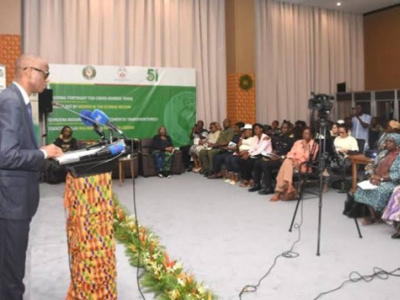
Emmanuel Vitus Agbenowossi, president of ISOC-Togo, highlighted what is at stake for the continent.
“It is important for us, as Africans, to understand where we stand in this revolution. Can we afford to stay on the sidelines, or must we get on board?” he said.
Agbenowossi noted that the forum typically attracts between 200 and 300 participants from government institutions, public agencies, internet regulators, academia, the private sector, and the technical community.
Addressing the significance of the forum’s theme, he said digital sovereignty means having the capacity to collaborate strategically, strengthen trust among users, protect citizens online, and develop local expertise capable of contributing to regional and international debates that shape the future of the digital world.
The opening session featured a presentation by Adjalle-Dadji Yao Délali, a legal scholar specializing in private and intellectual property law, who examined the challenges of digital sovereignty in Africa.
He noted that only three African countries (Mauritius, Egypt and South Africa) rank among the world’s top 50 nations in artificial intelligence.
Three panel discussions were scheduled for the afternoon, focusing on artificial intelligence and strategic preparedness, moderated by the University of Lomé; data governance and digital trust; and digital sovereignty in a changing geopolitical environment.
National AI Training Initiative
Beyond the debate on digital sovereignty, Togo has launched a series of initiatives in recent months aimed at strengthening national expertise in artificial intelligence.
In June 2025, the government launched a national training program in artificial intelligence, computer programming and digital English at the University of Lomé.
Implemented in partnership with U.S. startup Kira Learning, the initiative aims to train 50,000 students annually in key digital-economy skills. An initial cohort of 15,000 learners was targeted across the country’s public universities.
Available online free of charge, the program combines interactive courses, practical exercises and personalized support from an AI-powered tutor. Training modules focus on Python programming, the fundamentals of artificial intelligence and English for digital professions.
According to the Ministry of Digital Transformation, the objective is to enable students, regardless of their academic background, to acquire skills that can be directly applied in the labor market and contribute to the development of technological solutions tailored to local needs.
Recommendations emerging from the ISOC-Togo discussions will be submitted to the Togolese government and other stakeholders in the sector for consideration in future public policy development.
Ayi Renaud Dossavi