Togo Steps Up Air Pollution Fight with New Impact Study
 Sunday, 21 June 2026 04:44
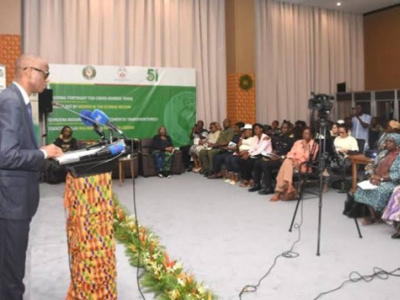
(Togo First) - Stakeholders from the environmental sector met in Lomé on Thursday, June 18, 2026, to review a study on the health, climate and economic impacts of air pollution in the Lomé metropolitan area and the Maritime Region. Prepared under the Air Quality Project in Togo (PQAT), the document is expected to serve as a reference for the development of future public policies.
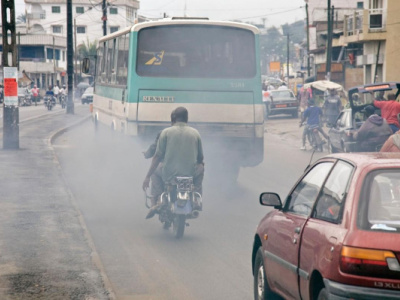
The initiative comes as several recent studies have highlighted deteriorating air quality in the Togolese capital. According to data cited by the Ministry of Environment, nearly 1.4 million people were exposed between 2019 and 2021 to pollution levels four to five times higher than the recommendations of the World Health Organization (WHO). Respiratory infections were among the most common reasons people sought medical care in the Lomé metropolitan area during that period.
The study identifies several major sources of air pollution, including road transport, the burning of wood and charcoal, open-air waste burning and certain industrial activities. According to the WHO, air pollution causes about 6.7 million premature deaths worldwide each year.
Togo launched the Air Quality Project (PQAT) in 2025, with funding estimated at 4 billion CFA francs over five years. The program includes the installation of monitoring stations in several cities across the country, data collection and the development of decision-support tools.
Momentum for the initiative increased in May with the validation of a national air quality framework, which now sets monitoring standards for the main atmospheric pollutants. For the government, investments in clean transport, renewable energy, cleaner cooking technologies and improved waste management are expected to provide two key benefits: reducing health risks while helping the country meet its climate objectives.
Ayi Renaud Dossavi