Togo Expands Fisheries Conservation Measures Amid Supply Gap
 Thursday, 18 June 2026 17:21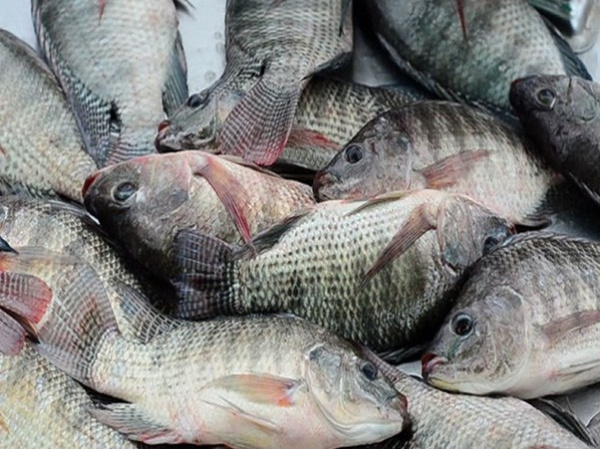
(Togo First) - Togo's authorities on Tuesday, June 16, 2026, urged fishing industry stakeholders to comply with the annual fishing moratorium, a measure implemented across Gulf of Guinea countries to support the reproduction of aquatic species and the recovery of fish stocks.
"This is the period during which young fish are born. We must not disrupt their development so that fish populations can recover," said Ali Domitani, director of fisheries production.
The suspension of fishing activities comes at a time when domestic demand far exceeds local production.
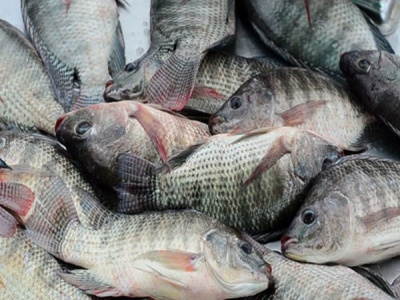
According to data from the National Institute of Statistics and Economic and Demographic Studies (INSEED), the country's annual demand exceeds 100,000 metric tons of fish and seafood products, while domestic production generally meets only 30% to 40% of that demand.
"Several factors contribute to this shortfall in domestic production. These include illegal, unreported and unregulated fishing, overfishing, the use of destructive gear, climate change, biodiversity loss, pollution and the degradation of marine habitats," said Lombo Yao, technical adviser at the Ministry of Fisheries.
Investments to Reduce Imports
The challenge is not only environmental. Fish remains an essential source of protein for Togolese households and supports the livelihoods of thousands of people across the sector.
According to official forecasts, fishery production is expected to reach nearly 34,000 metric tons in 2026, compared with 36,251 metric tons in 2025. Despite recent progress, the country remains heavily dependent on imports to meet domestic consumption needs.
To reverse this trend, the government has developed a five-year fisheries development plan requiring nearly 20 billion CFA francs in investment. The program, which has yet to be implemented, includes measures to strengthen aquaculture, expand fisheries research and improve coordination among stakeholders across the value chain.
The fisheries sector represents a significant economic challenge. According to available sector data, it directly employs more than 22,000 people and contributes about 4.5% of national gross domestic product. Artisanal fishing alone accounts for between 70% and 80% of the country's fishery production.
Ayi Renaud Dossavi