Togo Gives Final Approval to Join Two Maritime Pollution Conventions
 Tuesday, 30 June 2026 16:59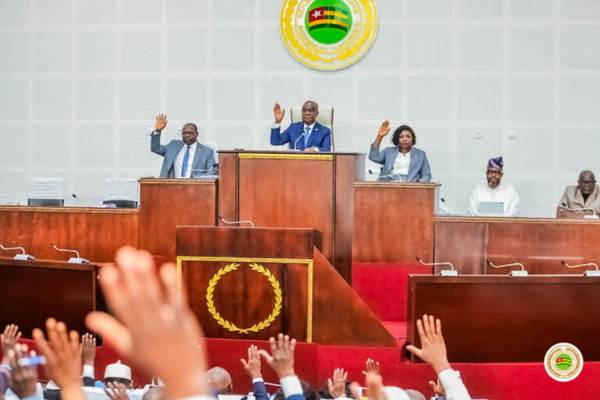
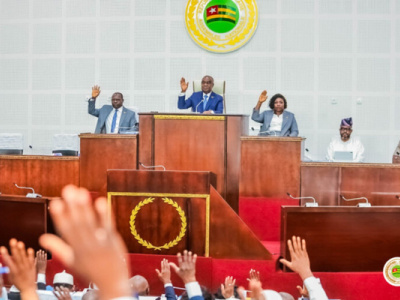
(Togo First) - Togo's National Assembly on Friday, June 26, 2026, gave final approval to legislation allowing the country to join the 1992 International Convention establishing the International Oil Pollution Compensation Funds (IOPC Funds) and the 2000 Protocol on Preparedness, Response and Co-operation to Pollution Incidents by Hazardous and Noxious Substances (OPRC-HNS 2000).
The vote completes the legislative process that began several weeks earlier. The two bills were approved on first reading by the National Assembly on May 15, 2026, before being forwarded to the Senate, which adopted them without amendment on May 18, 2026.
Access to an International Compensation Mechanism
According to Edem Kokou Tengue, Minister Delegate to the Minister of Maritime Economy, responsible for Maritime Economy and Coastal Protection, joining the IOPC Funds Convention will give Togo access to an international compensation mechanism for damage caused by oil pollution.
The mechanism provides financial compensation to member states and victims when compensation available under existing liability regimes proves insufficient. Regarding the OPRC-HNS 2000 Protocol, the minister said it will strengthen Togo's capacity to prevent, prepare for and respond to marine pollution incidents involving hazardous and noxious substances.
Following the final vote, the government plans to complete the remaining procedures needed for the agreements to enter into force for Togo.
"With this adoption now final, the government will, without delay, undertake the resulting formalities: depositing the instruments of ratification with the International Maritime Organization and adapting our domestic legislation so that the letter of the law becomes a tangible reality for our people," Edem Kokou Tengue said.
According to the government, joining the two agreements forms part of a broader strategy to strengthen maritime governance and improve the protection of the country's coastline. The move comes as port and maritime activity intensifies in the Gulf of Guinea, where environmental risks associated with the transport of oil and hazardous chemicals remain high.
The agreements strengthen Togo's framework for preventing and managing maritime risks while bringing the country further into line with international standards for protecting the marine environment.