IMF Approves $109.5 Million for Togo, Urges Faster Economic Reforms
 Tuesday, 30 June 2026 14:41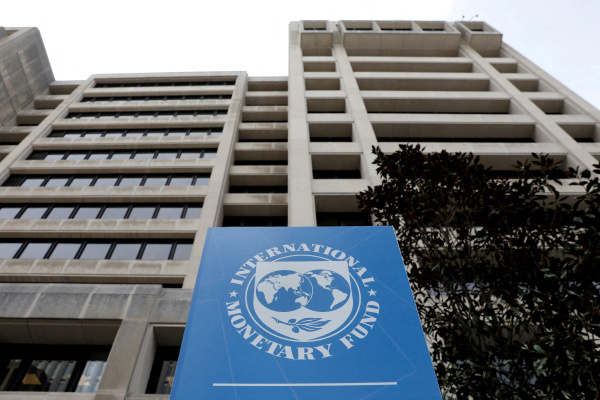
(Togo First) - The International Monetary Fund (IMF) has approved a $109.5 million (about 62.6 billion CFA francs) disbursement to Togo under its Extended Credit Facility (ECF) after completing the third and fourth reviews of the country's reform program.
The IMF Executive Board concluded that program implementation has been "broadly satisfactory." In a statement issued on Monday, June 29, the Fund said most quantitative performance targets had been met, while seven of the eight structural reforms scheduled since the previous review had already been completed.
"Despite a challenging regional and external environment, performance under the ECF-supported program has been broadly satisfactory. The economy has remained resilient in the face of successive shocks, and the outlook remains broadly favorable," IMF Deputy Managing Director and Acting Chair Kenji Okamura said after the Executive Board completed the reviews.
The decision clears the way for an immediate disbursement, bringing total funding released under the program to nearly $299 million. Approved in March 2024, the ECF arrangement provides total financing of $403.4 million to support Togo's economic reform agenda.
Reforms Still Needed
While welcoming the progress, the IMF said several challenges remain. "It is therefore essential to sustain fiscal consolidation momentum, decisively address financial sector’s vulnerabilities and advance structural and governance reforms to achieve sustained and inclusive growth," Okamura said.
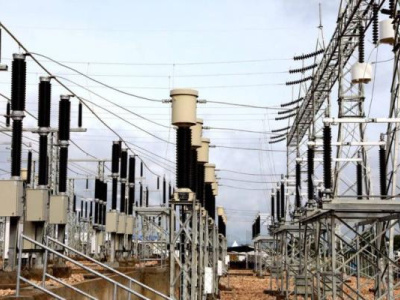
The IMF also urged Togo to accelerate tax reforms to broaden the tax base and reduce tax expenditures while protecting social spending for vulnerable populations. It called for stronger governance of state-owned enterprises, particularly in the electricity sector, greater budget transparency, and more robust anti-corruption and anti-money laundering frameworks.
The IMF also said authorities need to move quickly to address persistent vulnerabilities in the banking sector. "A credible strategy that safeguards financial stability, ensures transparency, and contains fiscal costs, will be critical to move forward," it said. For 2026, the IMF expects economic growth to slow temporarily while inflation rises because of geopolitical tensions, particularly in the Middle East, and continued volatility in energy and food prices.
Ayi Renaud Dossavi