Togo begins validation of 2026-2030 transhumance management plan
 Tuesday, 31 March 2026 17:41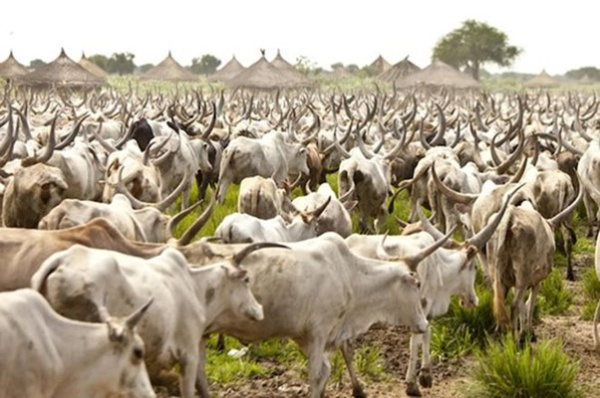
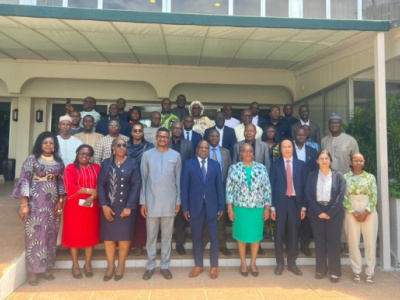
(Togo First) - Togo is set to adopt a new transhumance management plan to replace the current one. Togo is preparing to adopt a new transhumance management plan to replace the current one. The document, covering 2026-2030, was presented for approval in Lomé on Monday at a workshop attended by stakeholders from the livestock sector.
Several factors have driven the development of the new Transhumance Management Plan (PGT), including population growth, conflicts in the Sahel and the effects of climate change. These factors have in recent years heightened tensions between herders and farmers, officials said.
The document was presented to stakeholders to gather feedback and secure their backing for implementation. The plan is structured around several strategic priorities, translated into operational actions.
The workshop brought together representatives from the National Assembly, the Senate and relevant ministries, with the aim of incorporating their input into a consensus document.
For several years, the Togolese government has stepped up efforts to ensure the peaceful management of transhumance, with support from the United Nations Food and Agriculture Organization (FAO).
"We cannot do without transhumance, because food security — particularly the supply of meat and milk — depends on it. It is therefore essential to find a framework that ensures peaceful coexistence between pastoral and agricultural activities. Hence the need to bring stakeholders together to review and approve a management plan," said FAO Representative to Togo, Dr Diwa Oyetunde.
The animal resources and food sovereignty ministry said transhumance management was a priority, describing it as a driver of social cohesion and peaceful coexistence, particularly in rural areas.
The final document will serve as a reference framework for organizing pastoral movements, preventing conflicts and strengthening the security of rural communities.
The validation stage follows consultations held across the country, where stakeholders gave preliminary approval to the plan.
Esaïe Edoh