Togo flags price risks from Middle East conflict
 Thursday, 02 April 2026 13:59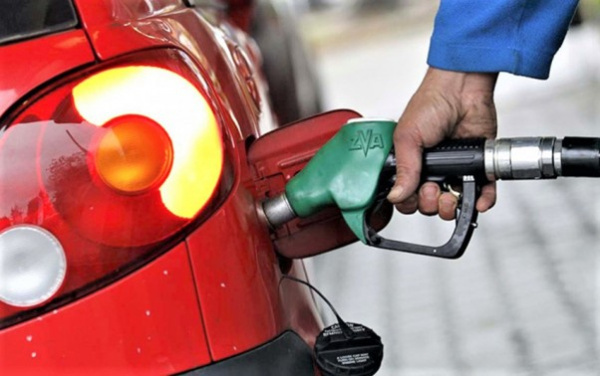
(Togo First) - Togolese authorities are stepping up vigilance over the potential economic fallout from the Middle East conflict, aiming to anticipate impacts already rippling through global energy and shipping markets.
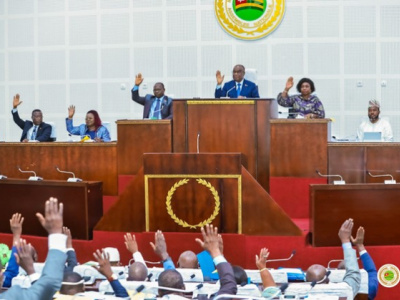
The Council of Ministers, meeting on April 1, 2026, was briefed on the crisis, which has heightened tensions across energy and transport markets.
“The persistence of geopolitical tensions in the Middle East is weighing on the global economy by disrupting key maritime trade routes,” the government said. The situation is pushing up the cost of maritime transport, oil, natural gas and fertilizers, with direct price impacts.
Although Togo’s direct trade ties with countries involved in the conflict remain limited, the government sees indirect effects as significant. “Togo’s economy, like those of the entire sub-region, is not immune to indirect effects,” it said.
The country’s dependence on imported petroleum products is a key vulnerability.
Between February and March 2026, oil prices rose from $70 to $100 a barrel following the outbreak of the conflict, amid market volatility. Prices later climbed above $105 a barrel after a recent address by U.S. President Donald Trump, described as a key actor in the conflict with Iran. In the near term, this could translate into higher transport and energy costs and, ultimately, increased living costs.
Pressure on prices and supply chains
Disruptions to maritime routes, particularly through the Strait of Hormuz, pose a significant risk to supply chains. Togolese authorities have warned of possible shortages and price increases for certain staple goods, as well as potential effects on port activity. Given the country’s active port sector, knock-on effects are considered likely.
Early signs are emerging in the sub-region. In Mali, fuel prices were recently raised, although it remains difficult to attribute the increase solely to Middle East tensions.
In Togo, pump prices have so far remained stable, with premium gasoline at 680 CFA francs and diesel at 695 CFA francs, supported by a pricing mechanism involving subsidies and periodic adjustments.
Faced with these uncertainties, the government is taking a phased approach. “Discussions are under way to determine the most appropriate measures to preserve purchasing power and maintain public finance stability,” the Council of Ministers said.
President Faure Gnassingbé, who chairs the Council, instructed relevant ministers to continue monitoring the situation closely.
Ayi Renaud Dossavi