Togo lost more than 130,000 hectares of vegetation cover since 2001
 Monday, 18 May 2026 15:01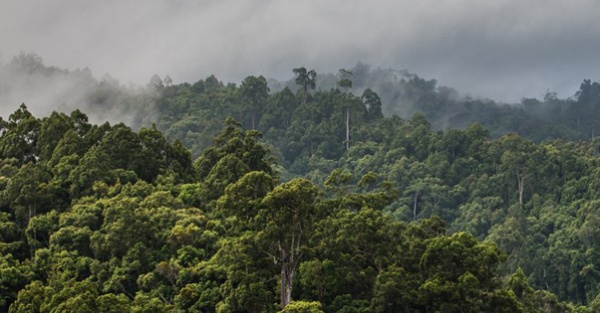
(Togo First) - Togo lost about 330 hectares of primary forest between 2002 and 2025, a decline of roughly 20% over the period, according to data presented last week in Kpalimé by the Food and Agriculture Organization of the United Nations (FAO). The figures underscore mounting pressure on the country’s forests.
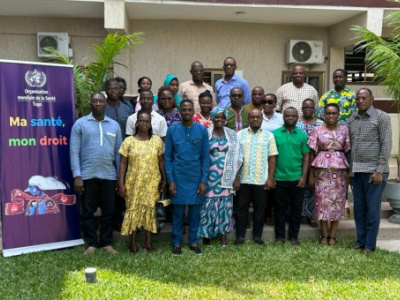
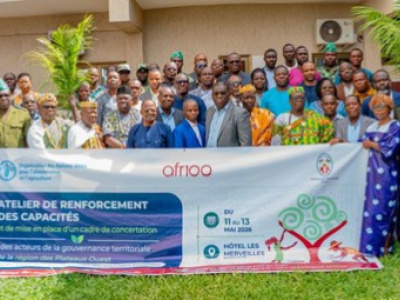
The data were released during a workshop on forest landscape restoration in the western Plateaux region. Representing the FAO, Oyetoundé Djiwa warned that the steady deterioration of forest ecosystems threatens livelihoods, food security and communities’ ability to cope with climate change.
A primary forest, sometimes referred to as virgin forest, regenerates naturally with native species and shows little or no sign of human disturbance. Beyond primary forests, Togo’s overall vegetation cover declined by more than 130,000 hectares between 2001 and 2025. Authorities and technical partners attribute the trend to the expansion of farmland, urbanization, infrastructure projects and wildfires.
According to satellite data cited during the workshop, 772 fire alerts had already been recorded in Togo between January and May 2026. The worst year on record remains 2013, when 2,846 alerts were logged.
In response, the Togolese government is relying on forest and land restoration programs. Under the African AFR100 initiative, the country has pledged to restore 1.4 million hectares of degraded land by 2030.
As part of that effort, a coordination platform bringing together municipalities involved in forest landscape restoration has become operational under the AFR100 Togo project. The body includes mayors, municipal secretaries-general, traditional chiefs and technicians from the Ministry of the Environment, and is intended to improve coordination of local initiatives on sustainable natural resource management and climate adaptation.
Implemented by the FAO with support from Germany’s development ministry (BMZ), the AFR100 Togo project aims to restore degraded land and improve forest management. “Landscape restoration can only succeed if municipalities work together,” Djiwa said.
Since 2021, Togo has also pursued a reforestation strategy aimed at planting one billion trees by 2030. Although several million seedlings have already been planted, authorities continue to face challenges linked to wildfires, pressure on land and poor tree survival rates.
Ayi Renaud Dossavi