Togo maintains thermal power at the core of its energy policy
 Friday, 15 May 2026 14:19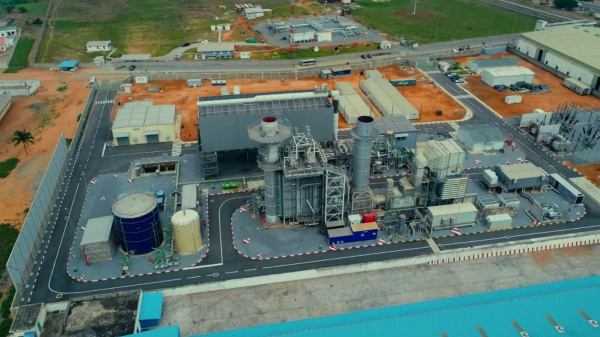
(Togo First) - Thermal power plants continue to occupy a central place in Togo's energy policy, even as the country steps up investment in renewable energy. In a statement released this week, the Ministry of Energy said thermal facilities remain essential to ensuring a stable electricity supply.
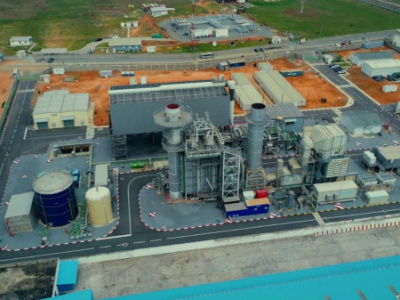
Togo's thermal generation capacity is mainly supported by two operators. ContourGlobal has operated a 100-megawatt gas-fired power plant since 2010, while Kekeli Efficient Power has run a 65-megawatt combined-cycle plant powered by natural gas and propane since 2022. Additional capacity of about 19 MW comes from installations connected to the West African Gas Pipeline.
According to the authorities, these facilities play a key role in meeting peak electricity demand and compensating for fluctuations in hydroelectric and solar generation.
The strategy aligns with the government's objective of achieving universal electricity access by 2030. Official data show the national electrification rate rose from 58% in 2022 to 75.6% in 2025.
At the same time, Togo is advancing several gas infrastructure projects. Under PRIME-GAS, a regional programme backed by the World Bank, authorities plan to develop liquefied natural gas (LNG) reception and storage infrastructure at the port of Lomé, build a gas network to supply future power plants, and construct a pipeline linking the port area to the Adétikopé Industrial Platform (PIA). The programme also includes plans for a potential 500 MW gas-fired power plant and additional regional interconnections.
Alongside thermal expansion, the government is continuing to invest in solar and hydroelectric projects to diversify the national energy mix.
Togo's energy strategy therefore rests on a dual-track approach combining thermal and renewable sources, as the country seeks to strengthen supply reliability while supporting rising electricity demand from households and industry.
R.E.D