Togo approves first national air quality standards
 Friday, 15 May 2026 09:59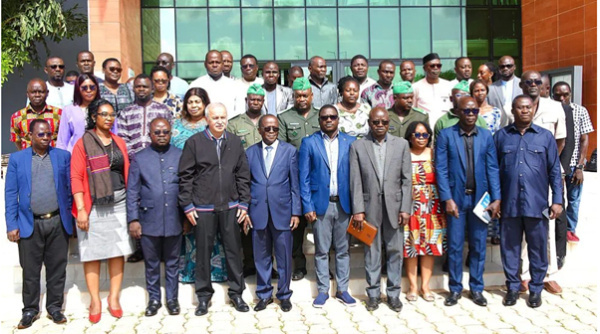
(Togo First) - Environmental stakeholders in Togo have approved the country's first national air quality standards, marking a significant milestone in the West African nation's efforts to tackle growing pollution concerns.
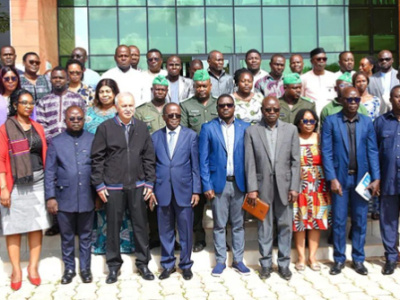
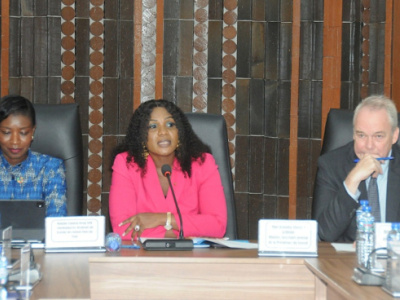
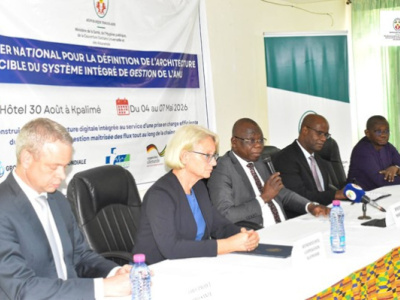
The findings of a study on sources of air pollution were reviewed on Tuesday, May 12, in Lomé during a workshop organized by the Ministry of Environment and the National Environmental Management Agency (ANGE), with support from the African Development Bank (AfDB) through the Agency for the Promotion and Development of Agropoles in Togo (APRODAT).
The workshop brought together representatives from government ministries, researchers, civil society organizations and technical partners.
The initiative comes amid rapid urbanization, rising road traffic, industrial expansion and increasing waste volumes in the country's major cities. The scale of the challenge is highlighted by World Health Organization data showing that, as of 2019, nearly 99% of the world's population lived in areas where recommended air quality thresholds were not met.
Participants reviewed three key documents: a diagnostic study on sources of air pollution in Togo, outdoor air quality standards, and a draft regulation governing their implementation.
The standards cover a range of atmospheric pollutants, including fine particles, dust, sulfur dioxide, nitrogen dioxide, ozone, heavy metals and certain volatile organic compounds.
"Beyond political will, we need to move toward a regulatory framework that is binding on both public authorities and industry," said Hazou Abi, Director of Environmental Information and Monitoring at ANGE.
Authorities say the standards are intended to strengthen public health protections and improve the country's environmental regulatory framework.
R.E.D