Faure Gnassingbé advocates stronger African integration at Biashara Forum
 Tuesday, 19 May 2026 16:05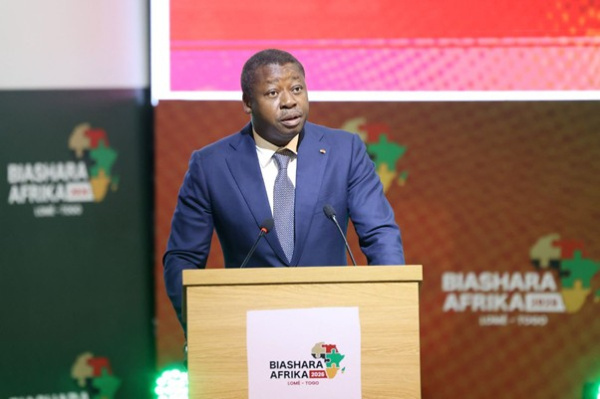
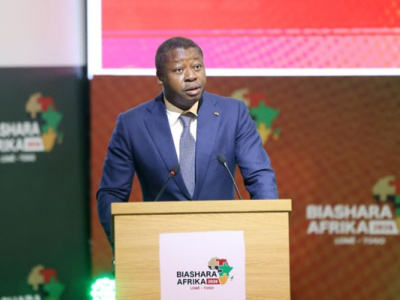
(Togo First) - President of the Council of Ministers Faure Gnassingbé used the third Biashara Afrika business forum, underway in Lomé until May 20, to outline his vision for a more integrated, competitive and prosperous Africa. The strategy is built around four priorities aimed at accelerating the continent’s economic transformation.
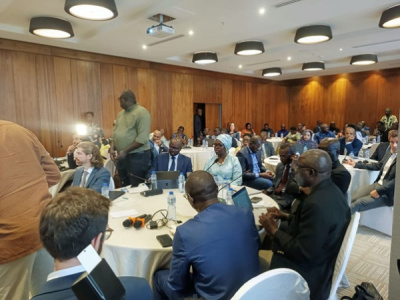
The forum, held under the theme “Powering Africa's Economic Transformation through the AfCFTA,” has brought together more than 1,500 participants, including policymakers and private sector leaders. Discussions are focused on strengthening intra-African trade and advancing implementation of the African Continental Free Trade Area.
Economic integration as a strategic necessity
Speaking at the opening session, Gnassingbé said the AfCFTA was no longer a policy option but a historical necessity in light of major shifts in the global economy. He said Africa’s success would depend on its ability to turn political ambitions into tangible economic outcomes.
“The first step toward Africa’s success will now depend on our proactive capacity to transform a political ambition into a concrete economic reality,” he said.
The Togolese leader called for the removal of barriers to regional integration, particularly monetary and border restrictions. He added that in a world shaped by economic and geopolitical shifts, no African economy was large enough on its own to defend its long-term interests.
“Africa must therefore strengthen its collective resilience. Regional integration is becoming an economic and geostrategic necessity,” he said, describing the AfCFTA as an “instrument of economic sovereignty” that goes beyond trade.
Private sector and youth central to transformation
Gnassingbé also stressed the importance of economic transformation in supporting regional integration. He called for the development of regional value chains and a stronger African private sector capable of sustaining the continent’s long-term growth.
He further argued that African integration would only succeed if it produced tangible benefits for populations, particularly young people, women and girls, and called for youth employment to be treated as a strategic priority.
“Africa’s population is the youngest in the world. This youth is our primary strength. Employment therefore becomes central to the economic, social and political stability of our continent,” he said.
Gnassingbé closed by calling for broader public ownership of the AfCFTA. “It must become a reality for African citizens themselves,” he said.
Esaïe Edoh