Lomé hosts regional talks on digitalizing social benefit payments
 Monday, 18 May 2026 16:26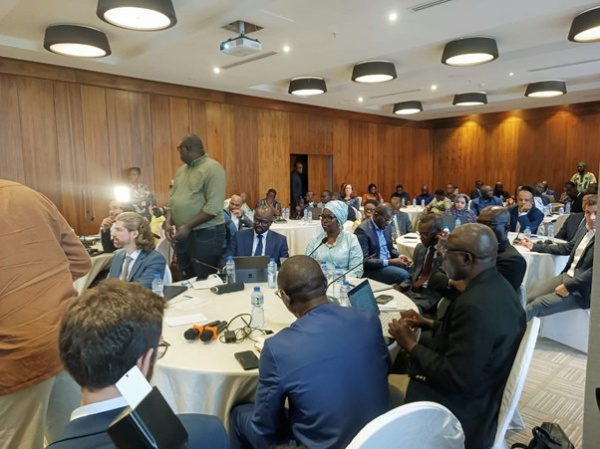
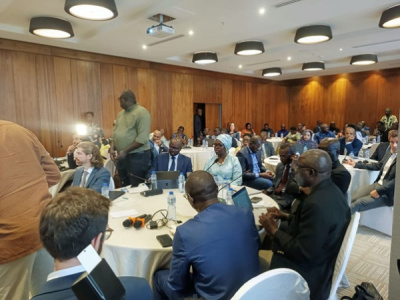
(Togo First) - A four-day regional workshop on digital social benefit payments opened in Lomé on Monday, bringing together officials and experts from 10 West and Central African countries to discuss interoperable payment systems, financial inclusion and the modernization of welfare delivery systems.
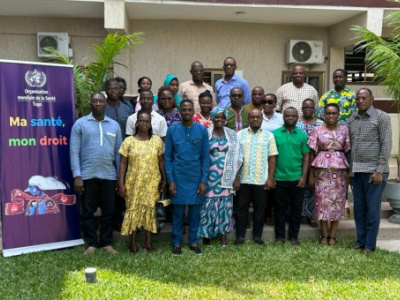
Organized by the World Bank in partnership with the Togolese government, the meeting has drawn participants from Benin, Burkina Faso, Côte d'Ivoire, Guinea, Mali, Mauritania, Niger, Senegal, Chad and Togo, along with representatives of the Central Bank of West African States (BCEAO).
Over the next four days, participants will examine ways to modernize social benefit payment systems as African countries grapple with economic, health, climate and security pressures. Discussions will focus on improving payment efficiency, expanding financial inclusion, strengthening governance in social protection programs and leveraging digital public infrastructure.
Opening the workshop, Togo’s Minister of Public Service Efficiency and Digital Transformation, Cina Lawson, said social support programs had evolved beyond administrative functions to become tools for promoting social justice, economic resilience and financial inclusion.
“When social benefits are digital, secure and accessible, they can have a lasting impact on beneficiaries’ lives,” she said.
Lawson also highlighted Togo’s Novissi program, launched during the Covid-19 pandemic to distribute emergency cash transfers through mobile money services. Widely cited as a successful digital welfare initiative, the program used artificial intelligence, geospatial information and mobile phone data to identify vulnerable populations quickly.
By 2022, nearly 820,000 people had received more than 13 billion CFA francs ($22.6 million) in transfers through the scheme.
Antonius Verheijen, the World Bank Group’s resident representative in Togo, underscored the importance of payment systems in social protection policy.
“Payment is the moment of truth in social protection,” he said, describing it as the point at which government commitments to vulnerable populations become concrete.
According to the World Bank, digitalizing social payments can help reduce delays, improve transparency, limit fraud and payment losses, and strengthen the financial autonomy of beneficiaries, particularly women and vulnerable groups.
The discussions in Lomé are expected to provide participating countries with a platform to exchange experiences and explore more integrated and efficient systems adapted to local realities.
The broader objective is to contribute to the World Bank’s goal of strengthening social protection systems for 500 million people worldwide by 2030.
Gautier Agbekodovi