AfDB Commits €1 Million for Water Investment Planning in Togo-Benin Mono Basin
 Friday, 26 June 2026 11:52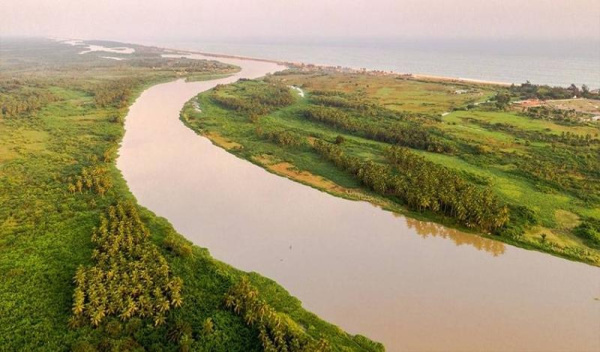
(Togo First) - The Mono River basin, shared by Togo and Benin, is set to receive 1 million euros, or about 656 million CFA francs, in financing from the African Development Bank (AfDB), according to a project appraisal report reviewed by Togo First.
The funding, to be provided through the African Water Facility (AWF), will help prepare a new pipeline of water resources investment projects. Pending approval by the AfDB’s Board of Directors, the project will finance the preparation of a Water Development and Management Master Plan (SDAGE) and an investment plan aimed at attracting larger-scale funding for water infrastructure, irrigation, drinking water, hydropower and ecosystem restoration across the transboundary basin.
Of the total funding, 700,000 euros will be provided as a grant by the AWF, while the Mono Basin Authority (MBA), Togo and Benin will provide a total co-financing of 300,000 euros.
Preparing a Pipeline of Bankable Projects
The Water Development and Management Master Plan (SDAGE) and the investment plan will be accompanied by a set of implementation measures and a strategic environmental assessment.
These documents will serve as the joint roadmap for the two countries’ management of the basin and will provide the basis for mobilizing financing from the AfDB, the European Union (EU), the Green Climate Fund (GCF), the French Development Agency (AFD) and other technical and financial partners.
The appraisal report says the project’s economic benefits will only be realized once the investments identified in the plan are implemented. The studies are intended to make future projects bankable and help mobilize substantially larger financial resources.
The document also outlines a phased financing strategy, with investments planned over the short, medium and long term in drinking water, sanitation, irrigation, hydropower, ecosystem restoration and climate risk management.
A Strategic Basin for Both Countries
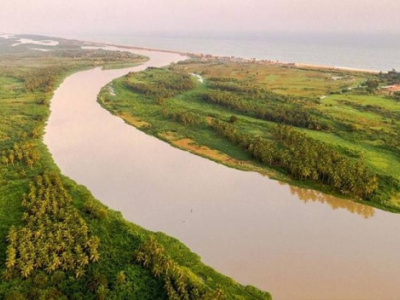
Created in 2014, the Mono Basin Authority coordinates the management of the nearly 24,300-square-kilometer transboundary basin, around 88% of which lies in Togo. The basin is crossed by the 467-kilometer Mono River and is an important resource for agriculture, fisheries, drinking water supply, irrigation and hydropower generation, particularly around the Nangbeto Dam.
The basin is under growing pressure from floods, droughts, deforestation, pollution and climate change.
The Mono Water Resources Management Project (PGEau-Mono) builds on initiatives launched in recent years to strengthen cooperation between Lomé and Cotonou on integrated water resources management. In May 2025, the two countries launched, with support from the EU, preparations for a regional project aimed at identifying the basin’s priority infrastructure needs and improving its governance.
In addition to the studies, the project will finance two pilot operations, the report says. In Togo, the pilots will focus on restoring degraded ecosystems in the Amou sub-basin through nature-based solutions. In Benin, they will target invasive aquatic plants in Lake Djétoé. The pilot projects will also serve as demonstration initiatives before investments are expanded across the basin.
Ayi Renaud Dossavi