Togo adjusts fuel prices, gasoline rises to 725 CFA francs per liter
 Wednesday, 27 May 2026 02:06
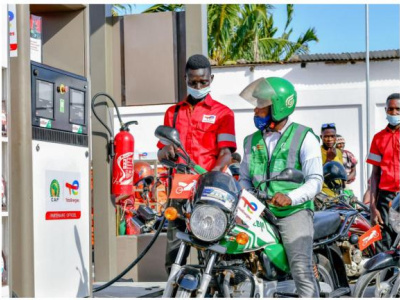
(Togo First) - Togo raised retail fuel prices on Wednesday, its first adjustment since March 2025, as higher global oil prices and tighter budget constraints reduced the government’s ability to maintain subsidies.
The new rates, effective May 27, 2026, set unleaded gasoline at 725 CFA francs ($1.25) per liter, up from 680 CFA francs, while diesel rose to 750 CFA francs from 695 CFA francs. Kerosene increased to 1,040 CFA francs per liter and two-stroke fuel to 811 CFA francs.
The new prices were introduced under a joint ministerial order signed on Tuesday by Minister of Economy and Strategic Affairs Badanam Patoki, Finance and Budget Minister Georges Essowè Barcola, and Junior Minister for Energy Robert Koffi Messan Eklo. The order replaces the pricing framework issued on March 14, 2025. Enforcement has been assigned to the Fuel Price Fluctuation Monitoring Committee.
The increase reflects rising global crude prices linked to tensions in the Gulf. Since Feb. 28, 2026, when U.S.-Israeli strikes against Iran began and the Strait of Hormuz, through which nearly 20% of global oil shipments pass, was blocked, Brent crude prices have surged. Oil climbed from around $70 a barrel before the conflict to a peak of $126 in March before stabilizing near $104 at the end of May, still more than 50% above pre-conflict levels.
Most countries in West Africa have already adjusted domestic prices in response. Benin revised its fuel prices on May 1, raising gasoline to 725 CFA francs per liter and diesel to 750 CFA francs. Côte d’Ivoire increased unleaded gasoline prices to 875 CFA francs through its automatic monthly pricing mechanism. Togo had been among the last countries in the sub-region to keep pump prices unchanged.
Fuel subsidy funds under pressure
The rise in global oil prices comes as Lomé faces growing fiscal constraints. Togo’s 2026 finance law reduced fuel subsidy allocations by 40%, cutting them from 25 billion CFA francs to 14.2 billion CFA francs.
The cuts align with Togo’s Extended Credit Facility programme with the International Monetary Fund, which targets a public deficit ceiling of 3% of GDP in 2026 in line with WAEMU convergence criteria. After reaching 6.4% of GDP in 2024 and easing to 3.2% last year, the fiscal deficit has left the government with limited room to continue absorbing the difference between international oil prices and regulated domestic fuel prices.
For households, the increase is expected to push up transport costs and, in turn, food prices. Higher fuel prices raise the cost of moving goods from agricultural areas to urban markets, increasing pressure on consumer prices.
Additional pressure comes from rising global fertilizer prices, particularly for urea. Prices have climbed from around $400 per ton to nearly $700 per ton since the start of the Gulf conflict, raising concerns about higher production costs and weaker yields during the next agricultural season.
For households still recovering from inflation peaks of 7.6% in 2022 and 5.3% in 2023, largely driven by food prices, the combined rise in fuel and agricultural input costs risks putting further strain on already fragile living standards.
Ayi Renaud Dossavi