Togo presents artisanal fisheries modernization strategy
 Thursday, 25 June 2026 12:18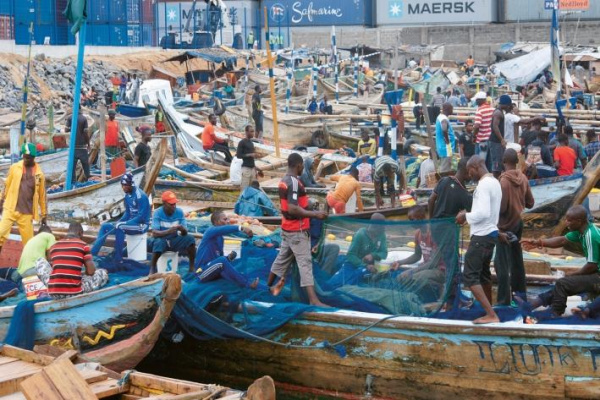
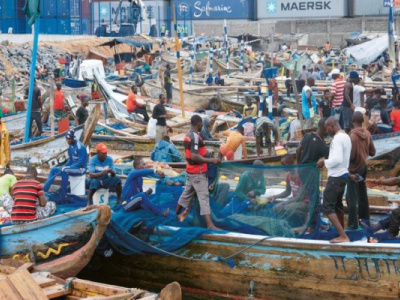
(Togo First) - Togo is pursuing a series of reforms aimed at making its artisanal fisheries sector more sustainable. According to the authorities, the strategy is built around five measures: implementing the management plan for beach seine fisheries, strengthening fisheries management institutions, protecting and restoring coastal ecosystems, combating coastal erosion through the construction of groins and breakwaters, and improving the governance of fisheries resources.
Since 2025, the country has enforced an annual fishing closure for artisanal fisheries from July 1 to July 31. The measure is intended to allow fish stocks to reproduce and replenish depleted stocks. The authorities have also established a dedicated coast guard unit to combat illegal fishing in the lagoon system. In addition, they have introduced a fuel subsidy to reduce operating costs for artisanal fishers and help sustain their incomes.
Reforms Presented to Regional Partners
The measures were presented in Lomé during the eighth meeting of the Artisanal Fisheries Working Group of the Fishery Committee for the Eastern Central Atlantic (CECAF), held with the support of the U.N. Food and Agriculture Organization (FAO). Over five days, representatives of CECAF member states, ECOWAS, the Fisheries Committee for the West-Central Gulf of Guinea, and technical partners are reviewing the 2026-2028 work plan on the sustainable management of artisanal fisheries. The discussions also cover improving fishery data collection systems, assessing landing sites, promoting the co-management of fishery resources, and developing regional responses to illegal fishing and the effects of climate change.
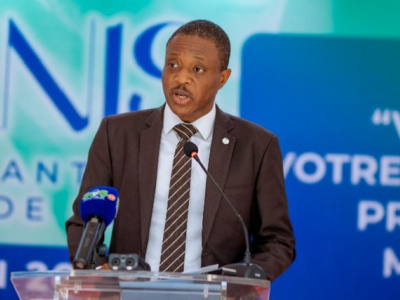
For Konlani Dindiogue, representing the minister in charge of fisheries, regional cooperation is essential.
"Fishing, which is predominantly artisanal in our country, plays a crucial role in the national economy. It generates household income, creates jobs and is vital to the country’s food sovereignty. Regional cooperation is a real necessity to address the challenges facing the sector, including growing pressure on fishery resources, illegal fishing, the effects of climate change, and competing demands on maritime space," he said.
In Togo, fishing is almost entirely artisanal. Despite the country’s coastline of just 56 kilometers (35 miles), the sector is an important contributor to the economy, food security, and the livelihoods of coastal communities.
National demand exceeds 100,000 metric tons of fish products each year, while domestic production meets only about 30% to 40% of that demand, leaving the country heavily dependent on fish imports. The artisanal fisheries sector produces between 20,000 and 25,000 metric tons of fish annually. About 90% of that production is processed through smoking, frying or drying, activities that provide income for thousands of fish traders, processors and other participants across the value chain.
Ayi Renaud Dossavi