PRIMA-Togo launches new training phase to boost cross-border agricultural trade
 Wednesday, 20 May 2026 11:02
(Togo First) - Togo is continuing implementation of the Regional Agricultural Market Integration Program (PRIMA), a joint initiative with Benin supported by the International Fund for Agricultural Development (IFAD). From May 12 to May 23, 2026, stakeholders from four cross-border trade corridors covered by PRIMA-Togo are participating in a series of five training sessions aimed at facilitating agricultural trade between the two countries.
The project is jointly implemented by the governments of Togo and Benin over a six-year period, with support from a regional coordination unit based at the Regional Agency for Agriculture and Food (ARAA).
The first session opened in Gando on May 12 in Oti-Sud prefecture before moving to Kétao, then to Tchamba on May 18 and 19, where participants from the central corridor gathered around the Kambolé market. Additional sessions are scheduled in Anié and Notsè. In total, 106 members of the corridor consultative committees are taking part in the training program.
Training focus
The sessions cover customs procedures, sanitary and phytosanitary regulations, regional standards, as well as advocacy and public-private dialogue techniques. The objective is to reduce barriers that continue to hamper intra-regional trade within the ECOWAS and WAEMU areas.
At the Tchamba session, Tchazodi Esso, secretary-general of the prefecture and representative of the prefect, called on participants to engage more actively in the corridor consultation activities and participate fully in the discussions to acquire the tools needed to facilitate the movement of agricultural goods and strengthen advocacy efforts.
He attended the session alongside Matta Pmanm, representative of the regional director of agriculture for the Central region, and Dr. Ismaila Ganiyou, coordinator of Component 3 of PRIMA-Togo.
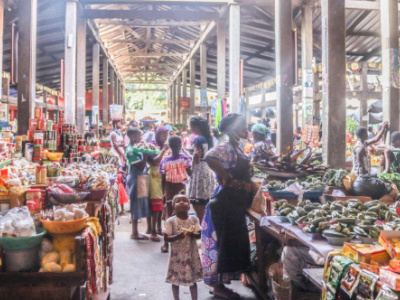
PRIMA-Togo aims to strengthen agricultural market integration between Togo and Benin. The markets of Gando, Kétao, Kambolé, Anié and Notsè are among the strategic hubs targeted to improve regional agricultural trade.
In addition to monitoring trade and supporting advocacy initiatives, the project is developing several agricultural value chains, including soybeans, rice, maize and horticulture, while also investing in rural infrastructure.
R.E.D