“Our ambition is to turn FESMA from an annual festival into a catalyst for the culinary industry,” Jean-Paul Agboh Ahouélété
 Monday, 22 June 2026 05:35
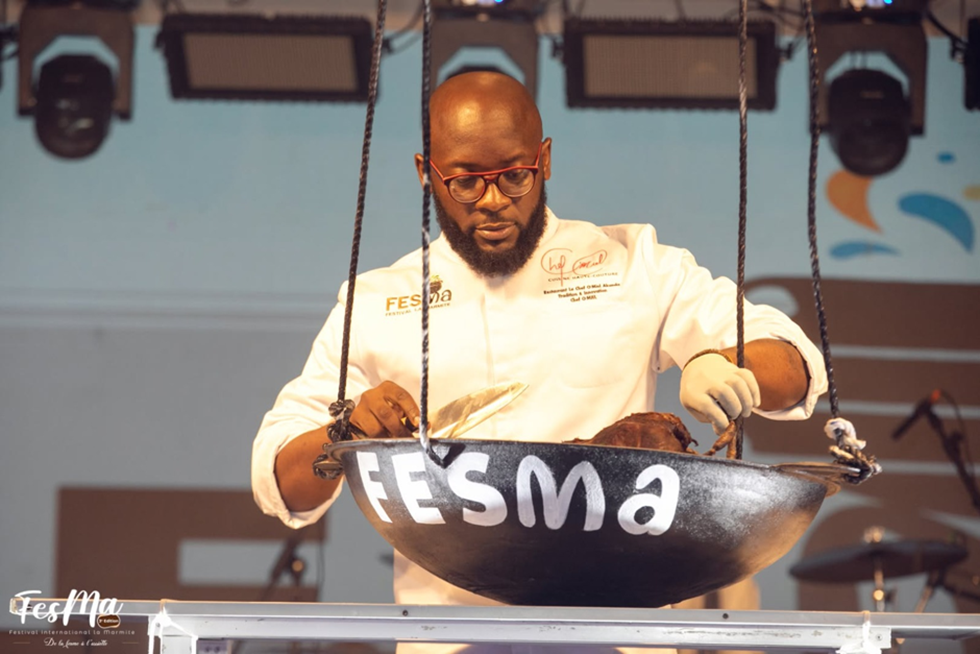
(Togo First) - Five years after its launch, gastronomic event Festival la Marmite (FESMA) will celebrate its fifth edition this coming August in Lomé. Under the theme “Promoting Integration and Social Cohesion Through Food and Cuisine,” this year’s event will spotlight fonio and welcome China as the guest country of honor. In this interview with Togo First, FESMA Founder and General Commissioner Jean-Paul Agboh Ahouélété discusses the thinking behind this year’s theme, the festival’s latest innovations, and his vision for making FESMA a lasting driver of growth for Togo’s culinary and agribusiness sectors.
Togo First: For the fifth edition of FESMA, you have chosen the theme “Promoting Integration and Social Cohesion Through Food and Cuisine.” Why this theme?
Jean-Paul Agboh Ahouélété: There are three main reasons. First, food is a powerful driver of social cohesion. Around a table, political, ethnic, and religious differences tend to fade into the background. Sharing a meal creates opportunities for dialogue and mutual understanding. It is one of the most universal ways to ease tensions and bring people together.
Second, cuisine serves as a bridge between cultures. This August, Lomé will become a crossroads of African flavors. Many of the dishes we enjoy across borders reflect a shared cultural heritage. By promoting our cuisines, we are giving concrete expression to the idea of African integration.
Finally, integration is also about connecting the entire value chain. It is not just about chefs. It involves farmers, food processors, distributors, and consumers. Encouraging local consumption strengthens economic ties and creates solidarity at both the national and regional levels.
Togo First: Why talk about integration at a culinary festival?
Jean-Paul Agboh Ahouélété: Because food is perhaps the most universal cultural bond we share. Long before countries sign trade agreements or economic treaties, people connect through food and shared culinary traditions. FESMA seeks to highlight and celebrate that form of cultural diplomacy.
Togo First: What message does this theme send to the public?
Jean-Paul Agboh Ahouélété: The theme shines a light on the work of our farmers and artisans. Through the trade fair we are organizing on the grounds of the Palais des Congrès, we want to show that buying local is more than a consumer choice—it is a civic act. Supporting local products strengthens our economy and reinforces our collective sense of pride.
Togo First: Why choose China as the guest country of honor for a festival dedicated to African heritage?
Jean-Paul Agboh Ahouélété: Heritage is enriched through dialogue with others. China has a culinary tradition that stretches back thousands of years, and its approach to food emphasizes health, sharing, and respect for nature—values that resonate strongly with our own traditions. Inviting China also reflects the spirit of integration that this year’s theme promotes. It offers a unique opportunity for our chefs to exchange ideas, learn from one another, and create exciting new culinary fusions.
Togo First: What are the major innovations planned for this fifth edition?
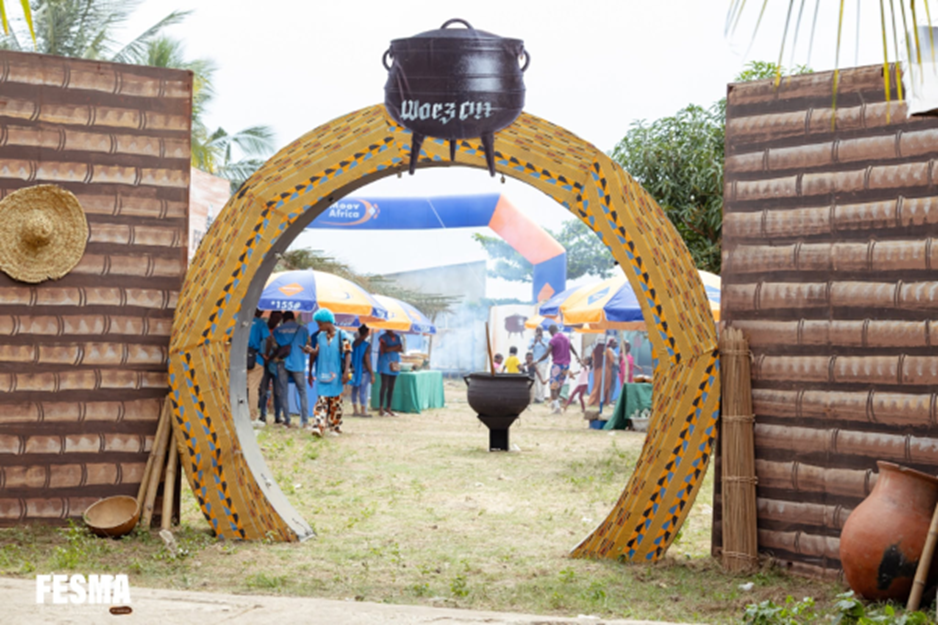
Jean-Paul Agboh Ahouélété: One of the biggest additions is the Chinese pavilion, which will cover more than 100 square meters and host festival visitors throughout the event. Around ten Chinese companies will participate in business-to-business meetings, while visiting chefs will introduce and reinterpret Chinese culinary traditions for our audience. We are also launching a regional culinary competition featuring contestants from seven countries across West Africa. The competition will be streamed live on social media and later broadcast on television.
Another major innovation is our pitch competition, Innov Agro, which is designed as a platform for startups and young innovators. Through this initiative, we want to identify and reward practical, sustainable solutions to some of the most pressing challenges facing African agribusiness. These include reducing dependence on plastic through biodegradable packaging made from local resources, developing innovative preservation methods to reduce post-harvest losses, and creating more value by transforming raw agricultural products into premium finished goods capable of competing on local and international markets.
Togo First: Looking back on the previous four editions, what tangible results have been achieved?
Jean-Paul Agboh Ahouélété: Over the past four years, FESMA has welcomed tens of thousands of visitors and helped train more than one hundred young people for careers in hospitality and food service. The festival has also provided visibility for local products such as gari and Togolese rice, and this year we intend to do the same for fonio. In addition, we have showcased more than one hundred local producers.
Perhaps most importantly, we have helped change perceptions about local consumption by demonstrating that African products can be modern, healthy, and worthy of the highest culinary standards.
Togo First: What message do you hope to convey about fonio, and what opportunities do you see for its development in Togo and across the region?
Jean-Paul Agboh Ahouélété: The message is simple: fonio is not a grain of the past—it is a grain of the future. As climate change intensifies and imported cereals become more expensive, fonio offers a strategic solution for both Togo and West Africa.
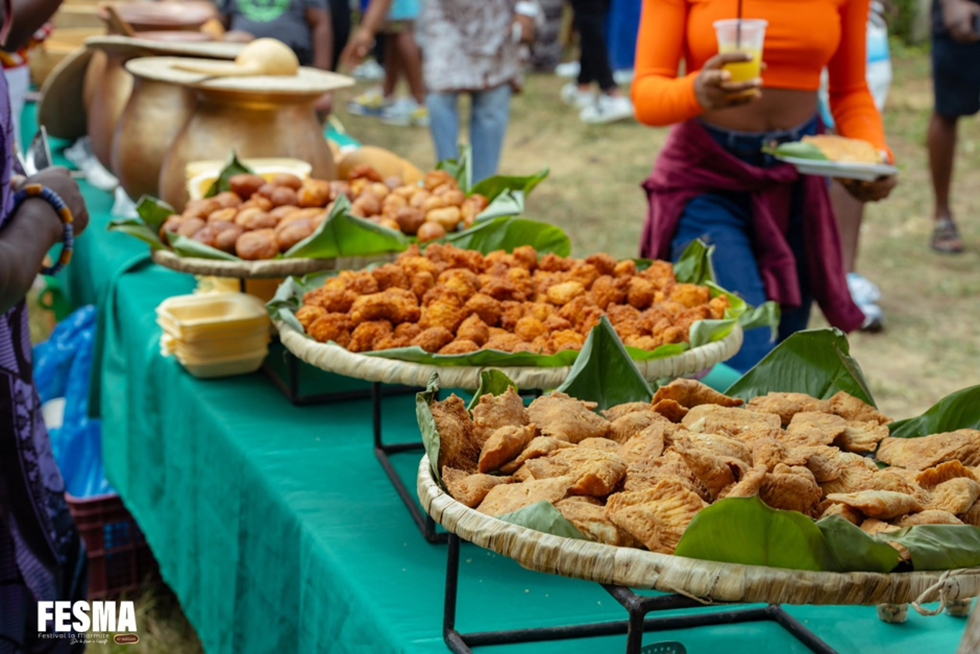
It has tremendous potential from a food security perspective because it is highly resilient. It can withstand drought, grow in poor soils without chemical fertilizers, and help communities cope with seasonal food shortages. It is also an exceptional food from a nutritional standpoint. Fonio is naturally rich in minerals, easy to digest, and gluten-free.
Beyond its agricultural and nutritional benefits, fonio also creates economic opportunities. Its production and artisanal processing support the livelihoods of thousands of women in rural areas. Through FESMA 2026, we want to place a strong culinary and academic spotlight on this remarkable grain and help move it from the fields onto everyday dining tables throughout the region.
Togo First: How can FESMA evolve from an annual event into a true catalyst for the development of a structured culinary industry in Togo?
Jean-Paul Agboh Ahouélété: That is precisely the ambition driving FESMA today. To achieve it, we are focusing first on education and professional development. We want to build lasting academic partnerships, such as the agreement we signed with the University of Lomé, and provide ongoing training opportunities and master classes for young chefs and food processors so they can continue raising professional standards.
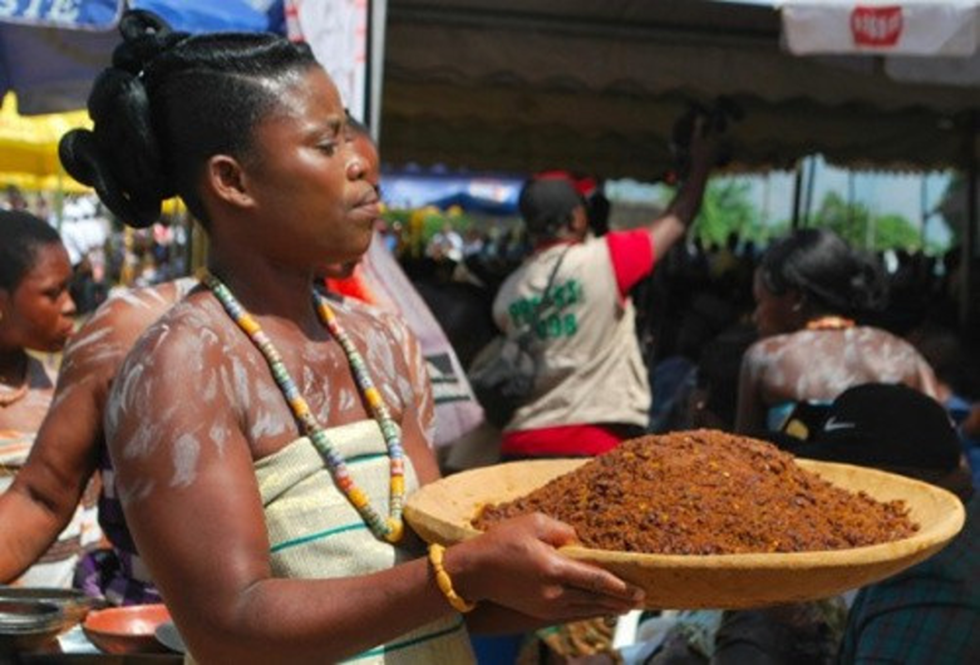
We also want to strengthen the entire local food value chain. That means working with public authorities to secure UNESCO recognition for certain traditional dishes while establishing quality standards that can support exports of processed food products.
Another priority is expanding business networks and attracting investment. We want to transform the enthusiasm generated by the festival into concrete business opportunities by connecting investors with small and medium-sized enterprises in the restaurant and food-processing sectors. By leveraging FESMA’s international visibility, we also hope to establish permanent export channels for our culinary products and position Lomé as a leading hub for African gastronomy.
Togo First: Any closing remarks?
Jean-Paul Agboh Ahouélété: As FESMA continues to evolve, its impact will not end when the festival closes on August 16. It is becoming a permanent institution—one that serves as an economic catalyst and helps drive growth and innovation throughout Togo’s entire culinary value chain.
Interview by Gautier Agbekodovi