Togo Moves to Strengthen Maritime Pollution Protection Framework
 Monday, 22 June 2026 15:27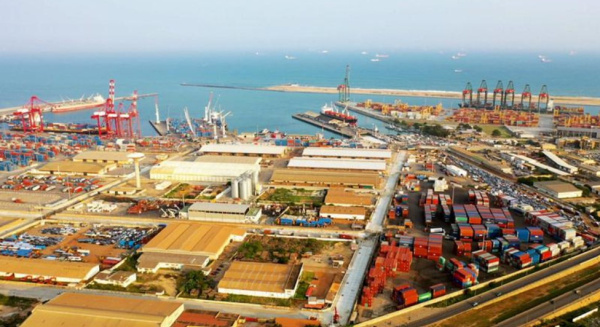
(Togo First) - Togo's senate on June 18 approved two bills authorizing the country's accession to the OPRC-HNS 2000 Protocol on preparedness and response to pollution incidents involving hazardous and noxious substances, and to the 1992 International Convention establishing the International Oil Pollution Compensation Fund (IOPC Fund).
According to public authorities, the move aims to strengthen the national framework for preventing marine pollution. The OPRC-HNS 2000 Protocol expands the scope of protection beyond oil pollution to include chemicals and other hazardous substances transported by sea.
The agreement establishes preparedness mechanisms, emergency response plans and international cooperation arrangements in the event of a major incident. It will also enable Togo to gain greater access to technical assistance provided by member states and specialized organizations.
A financial protection mechanism
Accession to the IOPC Fund addresses another concern: the economic cost of maritime accidents. The international mechanism provides additional compensation when existing liability regimes are insufficient to cover damage affecting communities, businesses and the environment.
For Edem Kokou Tengué, Minister Delegate for the Maritime Economy, accession will help Togo avoid shouldering the financial consequences of a major environmental disaster alone. The mechanism is also intended to protect economic activities that depend on the coastline, including fishing, port trade and logistics services.
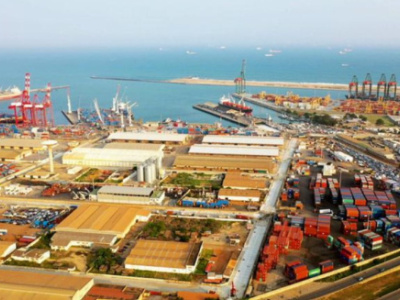
The measures come as port and maritime activities continue to expand in Togo. The Port of Lomé, ranked by several recent regional assessments as West Africa's leading container port, has handled more than 30 million tonnes of cargo in recent years and is receiving growing traffic from vessels carrying oil, chemicals and other goods.
In recent years, Togo has also increased investment in port infrastructure, the digitalization of maritime operations and maritime security. In this context, the modernization of the regulatory framework is expected to strengthen the attractiveness of the Port of Lomé and support the country's growing role as a regional logistics hub. The two bills approved by the Senate have been forwarded to the National Assembly for final adoption.
Ayi Renaud Dossavi