Togo Advances Plans for National Film and Audiovisual Fund
 Tuesday, 16 June 2026 14:52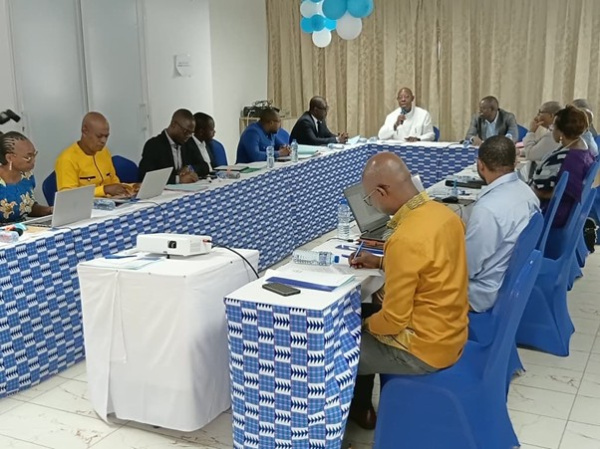
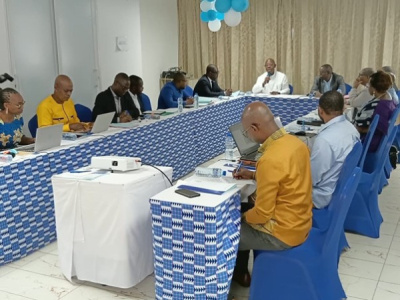
(Togo First) - Togo’s National Fund for Support to the Film and Audiovisual Industry (FoNSICA) is expected to become operational in the near future. The framework governing the financing mechanism, which is designed to support the country’s film and audiovisual sector, was reviewed last week during a meeting bringing together key stakeholders from the cultural and creative industries.
Reviewing the Implementation Framework
Organized by the Ministry of Culture, the meeting examined the legal, administrative, and technical provisions that will govern the new fund. Discussions also focused on aligning stakeholder feedback and ensuring that the proposed framework complies with existing laws and regulations.
Representatives of professional film and audiovisual associations, the National Assembly, the Ministry of Economy and Budget, the Togolese Revenue Office (OTR), and Télévision Togolaise (TVT) put forward a number of recommendations. These are expected to help finalize the regulatory framework and accelerate the fund’s launch.
Under the proposed funding model, FoNSICA will be financed through several sources, including parafiscal levies, registration fees linked to permit issuance, a dedicated tax to support film and audiovisual production, as well as donations and grants.
According to the Togolese authorities, the fund has two main objectives: addressing the sector’s financing gap and providing the film industry with a clear governance structure. The initiative follows a model already adopted in several African countries, including Senegal through the Fund for the Promotion of the Film and Audiovisual Industry (FOPICA) and Côte d’Ivoire through the Fund for Support to the Film Industry (FONSIC).
Economic and Cultural Impact
Beyond financing productions, FoNSICA could play a key role in developing a sustainable national cultural industry. Its launch is also expected to support job creation across the creative and audiovisual sectors, benefiting directors, screenwriters, technicians, actors, editors, and a wide range of specialized service providers.
The fund is also expected to strengthen Togo’s appeal as a filming destination. By showcasing the country’s landscapes, tourist attractions, and cultural heritage through cinema, future productions could increase Togo’s visibility and enhance its reputation at both the regional and international levels.
Esaïe Edoh