Togo, WFP Step Up Food Security Measures Ahead of Lean Season
 Tuesday, 16 June 2026 15:01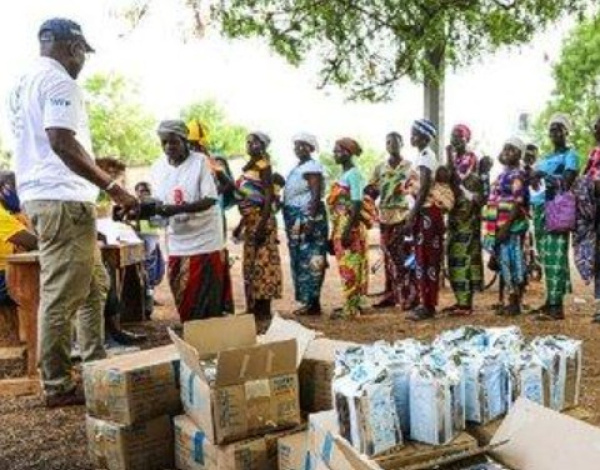
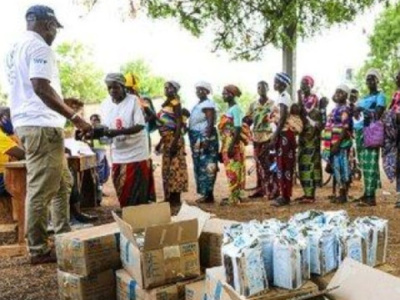
(Togo First) - As the lean season begins, the World Food Programme (WFP) and the Togolese government are stepping up measures to reduce the risk of food insecurity in northern Togo. The effort follows projections from the Cadre Harmonisé food security assessment framework, which estimate that nearly 332,000 people could face acute food insecurity between June and August 2026 without assistance, according to the WFP.
The U.N. agency stressed that no food crisis alert has been issued in Togo. It explained that the figure produced by the Cadre Harmonisé is a projection based on several assumptions, including the gradual depletion of food stocks, seasonal pressure on food prices, and the continuing effects of security and climate-related vulnerabilities.
According to the WFP, the estimate does not reflect current conditions but rather a scenario based on a range of risk factors associated with the lean season. The agency said the analysis suggests that around 332,000 people could fall into a food crisis between June and August 2026 unless conditions improve significantly.
The assessment is intended primarily to anticipate needs and guide interventions before any deterioration in food security occurs.
The WFP said the Togolese government, with support from development and humanitarian partners, is implementing an integrated response that combines emergency assistance, livelihood support, improved agricultural production, access to basic social services, and efforts to strengthen social cohesion. The response is being coordinated through the Emergency Programme to Strengthen Resilience in the Savanes Region (PURS).
North faces security and demographic pressures
The Savanes region remains the area most exposed to security shocks linked to instability along the border with Burkina Faso. Population displacement and refugee arrivals in recent years have increased humanitarian needs across the region.
Local communities are sharing already limited resources with thousands of internally displaced people and refugees, placing additional strain on household incomes, local markets, and access to basic social services.
Authorities have pointed to several encouraging developments. The latest agricultural season recorded production levels above both the previous year's figures and the five-year average for most crops.
Cereal stocks also remain substantial. The government has offered to sell the WFP more than 40,000 metric tons of food supplies available in national reserves. At the same time, prices of maize, sorghum, and cowpeas had declined in markets by the end of April 2026.
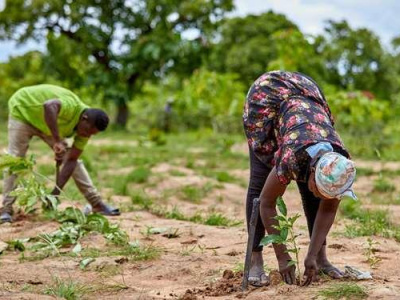
The response extends beyond food assistance for refugees, internally displaced people, and host communities. It includes nutrition programmes, support for agricultural production, land restoration initiatives, school meal programmes using locally sourced food, and measures aimed at strengthening livelihoods.
The overall objective is to reduce household vulnerability while reinforcing food security in the country's most exposed areas.
R.E.D