Togo and Burkina Faso Step Up Coordination on Lomé-Ouagadougou Corridor
 Tuesday, 07 April 2026 13:39
(Togo First) - Togo and Burkina Faso are stepping up cooperation to improve traffic flow along the Lomé-Ouagadougou corridor, a key route for sub-regional transit spanning more than 1,000 km.
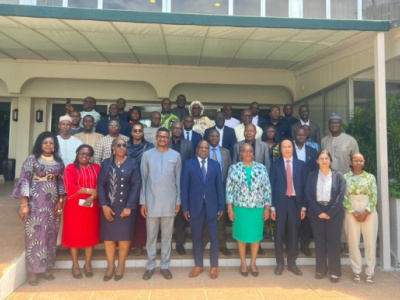
Officials from both countries met in Lomé last weekend with transport and logistics stakeholders to address persistent constraints affecting the corridor.
Several factors are undermining the corridor's competitiveness, including road harassment, bureaucratic delays and an aging vehicle fleet.
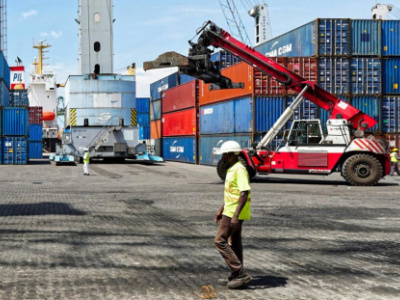
Discussions highlighted multiple bottlenecks, notably demurrage charges imposed on shippers, procedural delays, limited storage capacity at the port and a shortage of handling equipment.
Participants also flagged truck congestion, inadequate parking for heavy goods vehicles and security concerns at the port.
Other corridor-specific issues include unofficial fees, a proliferation of checkpoints and additional levies that continue to drive up logistics costs.
After outlining these challenges, both sides committed to strengthening coordination.
Togo said it is working on measures to clarify responsibility for delays and improve transparency in freight management.
Togolese Transport Minister Komlan Kadjé stressed the route's strategic importance. "Road transport is an instrument of development and regional integration," he said, adding that efforts would continue to "improve and above all facilitate" transit between Lomé and Ouagadougou.
The talks are expected to lead to a formal consultation framework to monitor reforms and improve corridor performance.
Burkina Faso, a landlocked West African country, relies heavily on the Port of Lomé for its imports. At the sub-regional level, it was Togo's largest export destination and second overall, accounting for 10.4% of Togolese exports, ahead of Côte d'Ivoire at 9.1% and Ghana at 6.8%.
Ayi Renaud Dossavi