African Fisheries Stakeholders Meet in Lomé to Tackle Sector Challenges
 Tuesday, 23 June 2026 18:38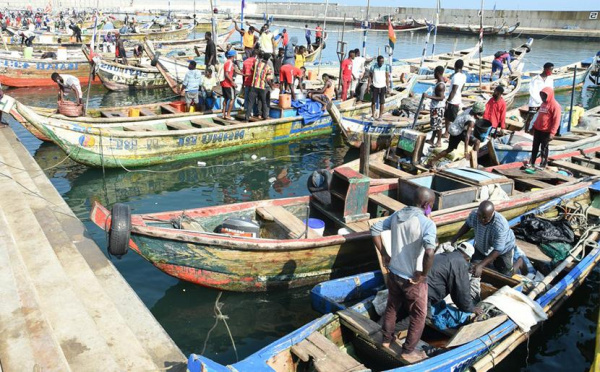
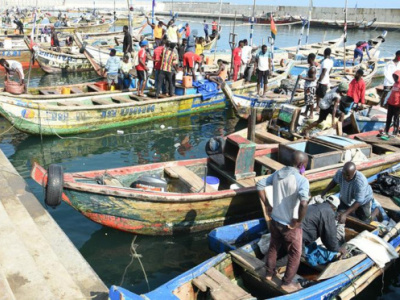
(Togo First) - A five-day regional meeting focused on artisanal fisheries opened in Lomé on Monday. Organized with the support of the U.N. Food and Agriculture Organization (FAO), the meeting brings together government representatives from member states of the Fishery Committee for the Eastern Central Atlantic (CECAF), the Fisheries Committee for the West Central Gulf of Guinea and the Economic Community of West African States (ECOWAS).
Discussions are focusing on assessing progress in the development of landing sites for artisanal fisheries and on improving fisheries data collection. Participants will also plan a study of the fish-based animal feed industry and examine regional policy measures, drawing on input from member states and technical partners.
The meeting will also serve as a forum for reviewing and adopting the 2026-2028 work plan of the Artisanal Fisheries Working Group. According to Konlani Dindiogue, speaking on behalf of the fisheries minister, fishing, which is predominantly artisanal in the country, plays a major role in the national economy.
As such, “regional cooperation is a real necessity to address the challenges facing the sector, including growing pressure on fish stocks, illegal fishing, the effects of climate change, and conflicts over the use of maritime space,” he said.
The Lomé meeting is part of a regional cooperation effort aimed at addressing the structural challenges facing artisanal fisheries, notably their largely informal nature, insufficient official statistics and the overexploitation of fish stocks across the CECAF region.
In Togo, the fisheries sector generates nearly 20,000 tonnes of fish each year. About 90% of this production is processed through frying, drying or smoking, contributing to the incomes of thousands of people working throughout the fisheries value chain.
Esaïe Edoh